E-BUZZ ME Logo
ScienceTechnical Deep Dive

Bacterial Supplement May Filter Microplastics From the Human Body

Published
Bacterial Supplement May Filter Microplastics From the Human Body
1 min read148 words

The Gist

Researchers have developed a supplement using dead bacteria that binds to microplastics, potentially preventing their absorption into human cells.

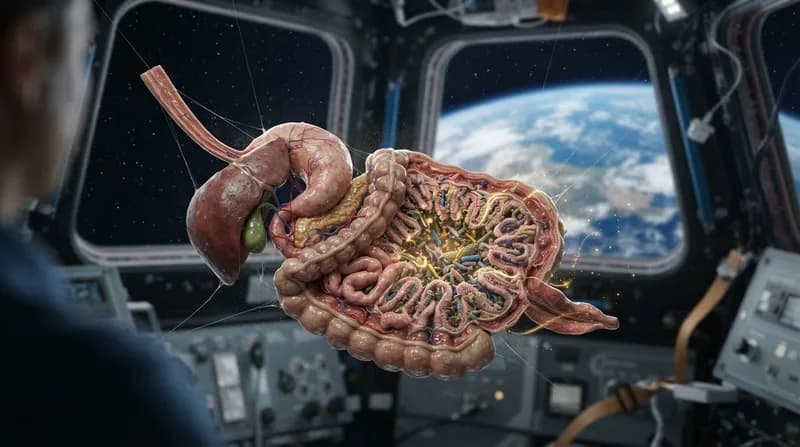
Recent scientific developments suggest a new method for combating the growing concern of microplastic accumulation in the human body. Researchers have identified a specific supplement composed of dead bacteria that appears capable of attracting and binding to these microscopic plastic particles.

How the Bacterial Binding Works

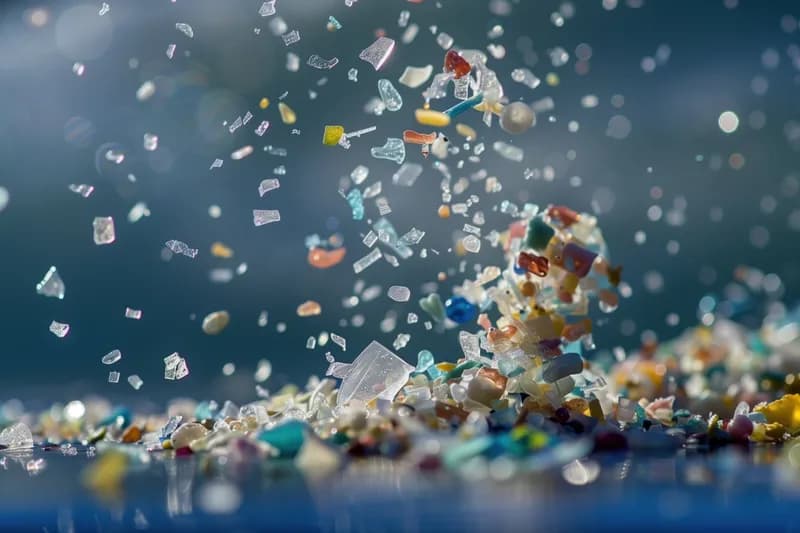
The mechanism relies on the unique physical properties of the bacteria's exterior. The supplement utilizes the naturally rough surfaces of dead bacteria to act as a magnet for microplastics. By attracting these particles to their surface, the bacteria effectively sequester the pollutants.

Preventing Cellular Absorption

One of the primary goals of this research is to prevent microplastics from entering the bloodstream or being absorbed into internal cells. Preliminary findings indicate that once the microplastics are bound to the bacterial supplement, they are significantly less likely to pass through cellular barriers, potentially allowing the body to flush them out through the digestive system.

Related Stories

Semantically matched articles, ranked by topic overlap and freshness.

Sparkling Water vs. Soda: New Study Evaluates Impact on Dental Health
Science64%

Sparkling Water vs. Soda: New Study Evaluates Impact on Dental Health

A recent study suggests that unsweetened sparkling water is a significantly safer choice for dental health compared to sugar-sweetened carbonated beverages.

The Impact of Ultra-Processed Foods on Long-Term Brain Health
Science63%

The Impact of Ultra-Processed Foods on Long-Term Brain Health

New research highlights a concerning link between ultra-processed diets and increased risks of depression, anxiety, and dementia.

Working Memory Rapidly Re-Prioritizes After Distractions, New Study Reveals
Science63%

Working Memory Rapidly Re-Prioritizes After Distractions, New Study Reveals

A new study highlights the brain's remarkable ability to swiftly update working memory priorities to maintain focus on immediate tasks despite frequent interruptions.

Innovative Treadmill Therapy Shows Promise for PTSD Recovery
Science62%

Innovative Treadmill Therapy Shows Promise for PTSD Recovery

Researchers at the University of Alberta have found that combining physical motion with memory confrontation significantly improves PTSD treatment outcomes.

Chinese University Probes Alleged Death in Gene-Editing Trial
Science62%

Chinese University Probes Alleged Death in Gene-Editing Trial

A Chinese university is investigating reports that a 6-year-old girl died during a gene-editing trial, an incident allegedly omitted from published research.

Innovative Eye Implant and High-Tech Glasses Approved to Combat Vision Loss
Science62%

Innovative Eye Implant and High-Tech Glasses Approved to Combat Vision Loss

A breakthrough eye implant and smart glasses system has received European regulatory approval, offering hope to those suffering from severe age-related vision loss.

Early Childhood Infections Linked to the Sibling Earnings Gap
Science61%

Early Childhood Infections Linked to the Sibling Earnings Gap

New research suggests that the lower average earnings of younger siblings may be driven by exposure to respiratory infections brought home by their older brothers and sisters.

Young Adults Struggle with Healthcare Independence, New Poll Finds
Science61%

Young Adults Struggle with Healthcare Independence, New Poll Finds

A University of Michigan poll reveals that many young adults aged 18–25 lack the basic skills necessary to manage their own medical needs without parental assistance.