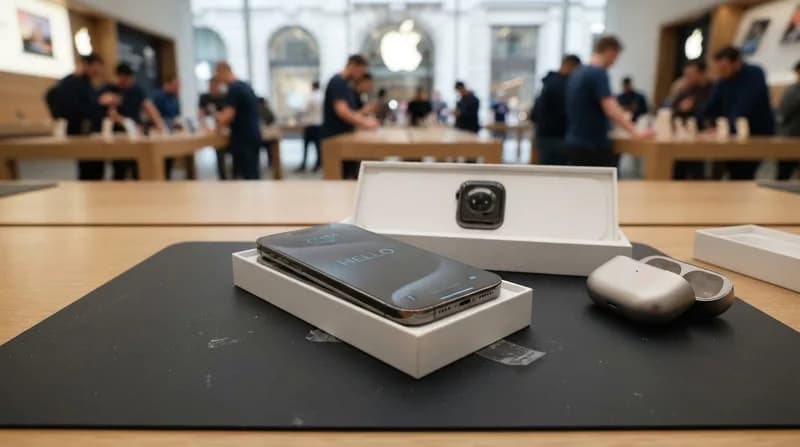
1. The iPhone 18 Pro
Apple’s latest flagship, the iPhone 18 Pro, arrives with a focus on raw computational power and efficiency. At its core lies a new processor built on a cutting-edge 2-nanometer architecture, a move that significantly boosts performance while curbing power consumption. This shift is critical, as it supports a new suite of generative AI capabilities processed directly on-device, prioritizing user privacy and speed.
The design maintains the premium titanium chassis that users have come to expect, though the engineering inside has received a massive overhaul. The camera system features an upgraded primary sensor specifically tuned for superior low-light performance, allowing for more detailed captures in challenging environments. This hardware upgrade, combined with its refined industrial design, positions the iPhone 18 Pro as a major leap forward for mobile photography.
2. Apple Watch Series 11
The Apple Watch Series 11 arrives with a noticeably slimmer profile, emphasizing comfort for all-day wear. Beyond the aesthetic shift, Apple has prioritized advanced health-tech integration. The new wearable is packed with sophisticated sensors designed to assist in the early detection of chronic conditions, building on the company's long-term strategy to make the device an indispensable part of personal health management.
By shrinking the internal architecture, Apple has managed to maintain, and in some areas improve, the battery life and processing speed. This iteration continues to push the boundaries of what a consumer wearable can offer in terms of medical-grade data tracking, wrapped in a more ergonomic and sleek form factor.
3. AirPods 5
Rounding out the hardware announcements are the AirPods 5, which represent a significant step in audio intelligence. The most notable improvement is the enhanced Active Noise Cancellation (ANC), which utilizes new processing algorithms to adapt in real-time to the user's specific acoustic environment. Whether in a loud commute or a quiet office, the audio adjusts dynamically to provide a consistent, immersive soundstage.
Battery life has also seen a healthy increase, ensuring the devices can handle longer listening sessions between charges. These updates emphasize a smarter approach to sound, where the hardware itself is tasked with interpreting the surrounding noise to filter out distractions more effectively than previous generations.
Why It Matters
Apple’s move toward 2nm chip architecture signals the start of a new hardware era where on-device processing will become the standard for consumer electronics. Furthermore, the emphasis on over 50% recycled materials across these new product lines highlights a continued corporate commitment to sustainability as the company pushes toward total carbon neutrality.