E-BUZZ ME Logo
ScienceTechnical Deep Dive

Ancient Mystery on K’gari: World’s Largest Sand Island Lakes Vanished During Rainy Era

Published
Ancient Mystery on K’gari: World’s Largest Sand Island Lakes Vanished During Rainy Era
1 min read158 words

The Gist

New research reveals that the sacred lakes of K’gari dried up 7,500 years ago despite heavy rainfall, pointing to wind patterns as a critical climate threat.

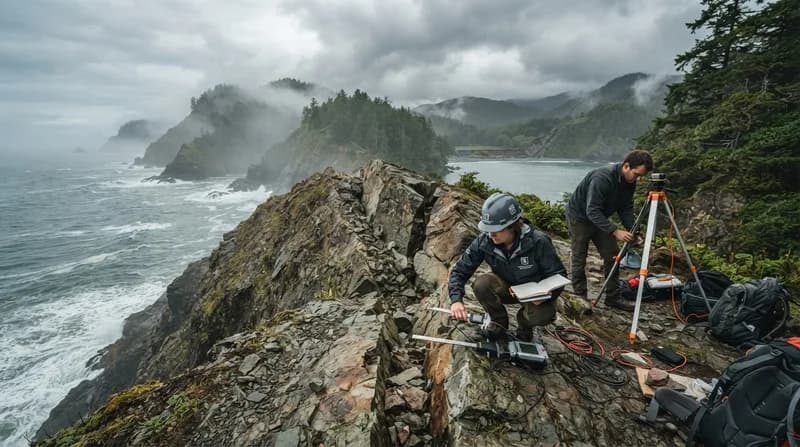
New geological evidence from K’gari, the world’s largest sand island, has uncovered a climate mystery that challenges traditional understanding of lake ecosystems. Ancient sediment analysis reveals that some of the island's deepest lakes completely vanished approximately 7,500 years ago, a period characterized by unusually heavy rainfall.

The Role of Changing Winds

The disappearance of these water bodies, traditionally known as the Eyes of K’gari, suggests that precipitation levels are not the only factor in lake stability. Researchers believe that shifting wind patterns played a decisive role in the drying process, potentially by moving vast amounts of sand or altering evaporation rates despite the humid conditions.

Future Climate Implications

This discovery has significant implications for modern conservation efforts. As global climate patterns shift, the study warns that changing winds could once again threaten these sacred perched lakes. Understanding how these ecosystems responded to past atmospheric changes is vital for predicting their resilience in the face of future environmental volatility.


Related Stories

Semantically matched articles, ranked by topic overlap and freshness.

Ancient 500,000-Year-Old Elephant Bone Hammer Rewrites Early Human Toolmaking History
Science65%

Ancient 500,000-Year-Old Elephant Bone Hammer Rewrites Early Human Toolmaking History

A rare discovery in England reveals that ancient humans crafted reusable hammers from elephant bone to sharpen stone tools nearly half a million years ago.

Astronomers Detect Massive Wandering Black Hole via Stellar Destruction
Science63%

Astronomers Detect Massive Wandering Black Hole via Stellar Destruction

A supermassive black hole has been identified straying far from its galactic center after it was caught consuming a nearby star.

Working Memory Rapidly Re-Prioritizes After Distractions, New Study Reveals
Science62%

Working Memory Rapidly Re-Prioritizes After Distractions, New Study Reveals

A new study highlights the brain's remarkable ability to swiftly update working memory priorities to maintain focus on immediate tasks despite frequent interruptions.

Early Childhood Infections Linked to the Sibling Earnings Gap
Science60%

Early Childhood Infections Linked to the Sibling Earnings Gap

New research suggests that the lower average earnings of younger siblings may be driven by exposure to respiratory infections brought home by their older brothers and sisters.

Innovative Eye Implant and High-Tech Glasses Approved to Combat Vision Loss
Science60%

Innovative Eye Implant and High-Tech Glasses Approved to Combat Vision Loss

A breakthrough eye implant and smart glasses system has received European regulatory approval, offering hope to those suffering from severe age-related vision loss.

Shift in Climate Strategy: Why Ending Fossil Fuel Consumption Outweighs Production Limits
Science59%

Shift in Climate Strategy: Why Ending Fossil Fuel Consumption Outweighs Production Limits

While UK government plans for new North Sea drilling have sparked outrage among activists, experts argue that targeting global demand is more critical for the climate than restricting local supply.

Australia Invests AU$30 Million in Smart Grid and Electromobility Projects
Electric Vehicles59%

Australia Invests AU$30 Million in Smart Grid and Electromobility Projects

The Australian government is funding 14 innovative projects to modernize the national electricity network through smart charging and vehicle-to-grid technologies.

Innovative Treadmill Therapy Shows Promise for PTSD Recovery
Science59%

Innovative Treadmill Therapy Shows Promise for PTSD Recovery

Researchers at the University of Alberta have found that combining physical motion with memory confrontation significantly improves PTSD treatment outcomes.