E-BUZZ ME Logo
ScienceTechnical Deep Dive

AI Integration Redefines Radiopharmaceutical Drug Discovery and Precision Oncology

Published
AI Integration Redefines Radiopharmaceutical Drug Discovery and Precision Oncology
1 min read170 words

The Gist

New research highlights how deep learning and generative AI are accelerating the design of radiopharmaceutical drugs and optimizing personalized dosimetry for cancer patients.

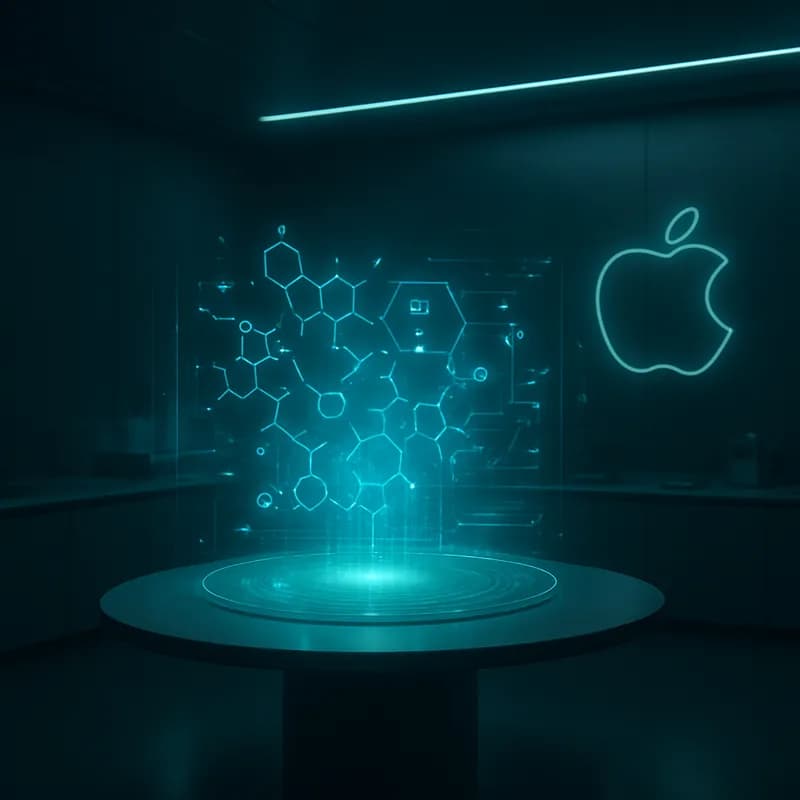
A recent feature published in the Journal of Medical Internet Research (JMIR) explores the transformative role of artificial intelligence in the field of oncology, specifically within radiopharmaceutical medicine. Authored by JMIR Correspondent Benedette Cuffari, the report titled "AI-Designed Radiopharmaceuticals: How Machine Learning Is Redefining Precision Cancer Therapy" details a shift toward more efficient drug development processes.

Accelerating Drug Design

The integration of deep learning and generative AI models is significantly reducing the time required for drug discovery. By analyzing complex biological datasets, these technologies can identify promising molecular structures more rapidly than traditional methods, allowing researchers to focus on the most viable candidates for precision cancer therapy.

Optimized Personalized Dosimetry

Beyond drug creation, AI is playing a critical role in clinical application through personalized dosimetry. By leveraging machine learning to calculate precise radiation doses tailored to individual patient profiles, healthcare providers can maximize the therapeutic impact on tumors while minimizing damage to healthy tissue. This advancement marks a significant step forward in improving patient outcomes and safety in nuclear medicine.


Related Stories

Semantically matched articles, ranked by topic overlap and freshness.

AI Aids Stanford Researchers in Discovering Natural Weight Loss Molecule
Science64%

AI Aids Stanford Researchers in Discovering Natural Weight Loss Molecule

Stanford scientists have identified a natural molecule that mimics the weight-loss effects of Ozempic with fewer side effects by targeting specific brain regions.

The Future of Open Access: Navigating Structural Challenges and AI Integration
Science62%

The Future of Open Access: Navigating Structural Challenges and AI Integration

As the scientific community pushes for an open-access future, experts warn that systemic issues and the rise of AI must be addressed to ensure sustainability.

Protect AI and Hugging Face Report: 4 Million Models Scanned for Security Risks
Artificial Intelligence61%

Protect AI and Hugging Face Report: 4 Million Models Scanned for Security Risks

Six months into their partnership, Protect AI and Hugging Face have analyzed over 4 million machine learning models to identify critical security vulnerabilities.

The Economic Hurdles Facing GLP-1 Weight Loss Drugs
Science60%

The Economic Hurdles Facing GLP-1 Weight Loss Drugs

While drugs like Ozempic and Wegovy offer significant health benefits, their high costs pose a major challenge to insurance budgets and patient access.

Cognition Acquires Poke to Enhance AI Interaction Models
Artificial Intelligence59%

Cognition Acquires Poke to Enhance AI Interaction Models

Cognition has acquired Poke to integrate its unique conversational style into the Devin coding agent, signaling a shift toward AI personality as a core differentiator.

Cohere Models Now Available via Hugging Face Inference Providers
Artificial Intelligence59%

Cohere Models Now Available via Hugging Face Inference Providers

Cohere's powerful large language models are now accessible directly through Hugging Face's managed infrastructure, streamlining deployment for developers.

Sweden Explores Rare Earth Deposits to Challenge Global Supply Dominance
Science59%

Sweden Explores Rare Earth Deposits to Challenge Global Supply Dominance

Researchers are mapping Sweden's mineral wealth to create magnets from natural element combinations, aiming to reduce reliance on Chinese exports.

GPS Satellite Network Provides Two Decades of Space Radiation Data
Science59%

GPS Satellite Network Provides Two Decades of Space Radiation Data

A massive cross-calibration effort involving 25 GPS satellites has unlocked twenty years of continuous space radiation tracking.