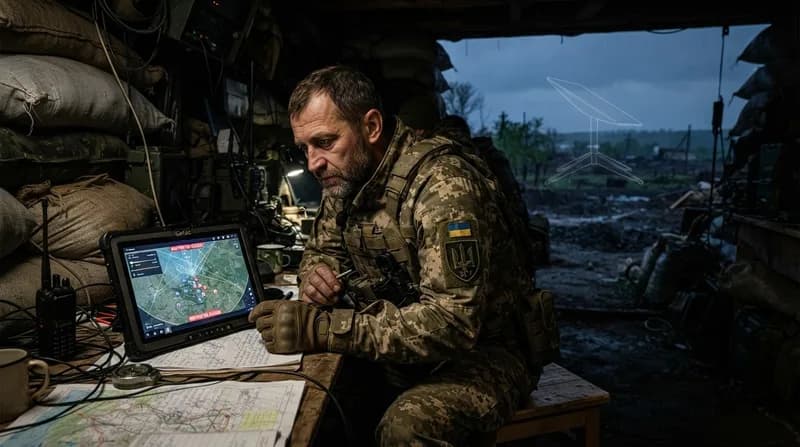
The Allegations Behind Starlink's Performance
President Volodymyr Zelenskyy has publicly addressed the intermittent connectivity issues plaguing the Starlink satellite network within active combat zones. According to Ukrainian officials, the performance degradation is not the byproduct of hardware limitations or unexpected technical glitches, but rather appears to be a deliberate policy choice by SpaceX to restrict military operations in specific regions.
The satellite constellation, managed by Elon Musk’s SpaceX, has been a critical lifeline for Ukrainian ground forces since the start of the conflict, providing essential tactical communication. However, recent friction between the provider and government forces has raised concerns about the neutrality of private infrastructure when deployed in high-stakes geopolitical conflicts.
Why It Matters
- Strategic Dependency: The reliance on a private entity for battlefield communications creates unprecedented vulnerabilities in modern military strategy.
- Policy vs. Utility: The situation highlights the lack of established legal frameworks governing how private satellite operators can or should restrict services during active international disputes.
- Escalation Risks: Zelenskyy’s comments underscore the precarious nature of using civilian-grade satellite technology for offensive military maneuvers, which sits at the center of growing tensions between Kyiv and SpaceX management.
Beyond the technical hurdles, the Ukrainian administration also expressed significant dissatisfaction regarding recent U.S. policy decisions to waive certain sanctions against Russia. Zelenskyy framed these developments as a dangerous move that could inadvertently bolster Russian logistical capabilities. The combination of restricted Starlink access and shifted sanction policies has led to a strained diplomatic atmosphere, forcing observers to reconsider the extent to which private tech giants now hold power over the trajectory of sovereign territorial defense. As of now, SpaceX has maintained that its policies are designed to prevent the weaponization of the platform beyond its stated humanitarian mission, though this stance continues to face intense pushback from those fighting on the front lines.