The Massive Scale of AI Infrastructure
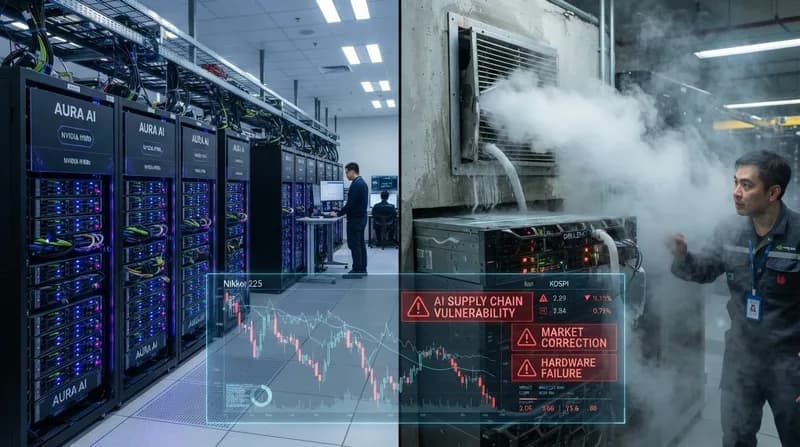
The landscape of modern data centers is undergoing a radical metamorphosis. According to the AI Stress Test Report from NTT Global Data Centers, the era of the relatively modest ten-megawatt facility is rapidly coming to an end. The current generation of AI-driven infrastructure is shifting toward massive, industrial-scale projects that span the footprint of multiple football fields. These sites, often requiring hundreds of megawatts of power, are designed specifically to support the insatiable computational appetite of contemporary artificial intelligence models.
The economic implications are equally staggering. Under a baseline growth scenario, the industry is projected to see an annual demand increase of roughly 23 percent, necessitating an estimated $3.8 trillion in additional investment in digital infrastructure by 2030. In an accelerated scenario, that figure balloons to a massive $5.7 trillion. However, the physical reality of constructing these massive facilities—far exceeding the scale of data centers built just a decade ago—is creating significant friction with local communities and regulatory bodies.
Why Permitting Is the Real Bottleneck
For years, the industry narrative has focused on hardware shortages, such as the global race for GPUs, specialized transformers, and high-end networking gear. While these components are essential, the NTT analysis suggests that they are no longer the primary constraint. Instead, the most significant gating factors have become administrative: permitting, municipal planning, and the lengthy, complex processes required to bring power to these massive sites.
Essentially, the ability to procure thousands of chips is rendered moot if there is no physical location authorized to host them. NTT CTO Bruno Berti emphasizes that operators must pivot from a reactive 'build at all costs' strategy to a more holistic approach. Success now relies on treating capacity expansion as a system-wide coordination effort, integrating local government relations and grid planning long before a shovel hits the dirt.
Overcoming Public Misconceptions
A major hurdle in securing these essential permits is the pushback received during town hall meetings, where communities often express concerns regarding resource usage. Common objections typically cite water consumption and power grid instability. NTT argues that these fears are largely based on legacy data center designs that do not represent modern capabilities.
- Liquid Cooling Efficiency: Modern facilities utilize advanced liquid cooling technologies that significantly reduce or eliminate the excessive water waste associated with older, air-cooled evaporative systems.
- Grid Integration: Rather than draining local power supplies, current developers are increasingly partnering with utility companies years in advance. These projects often include integrated renewable energy sources like wind and solar, which can actually help stabilize local grids.
- Transparency as a Strategy: The report concludes that trust is a foundational requirement for growth. Operators must move away from secrecy and actively engage in educational outreach to ensure policymakers and the public understand the actual impact of these massive infrastructure projects.
Ultimately, the challenge for the next five years is not purely technical, but societal. By aligning the rapid pace of AI innovation with the slower, deliberate speed of civic planning, the industry hopes to build the foundation required to sustain the next generation of computing.