The Failure of First-Gen AI Hardware
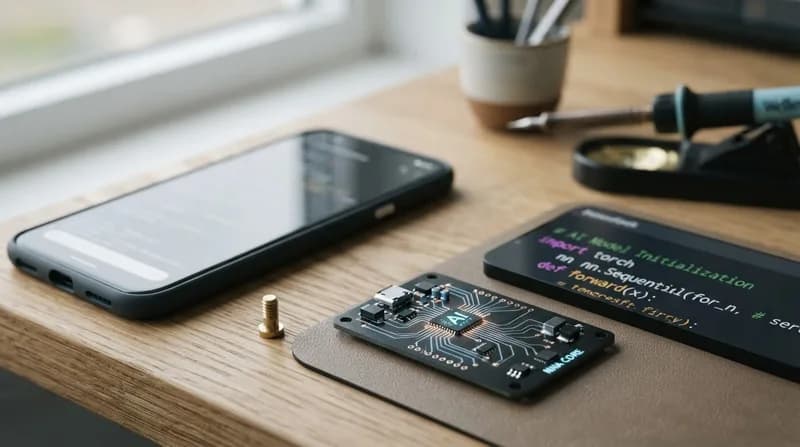
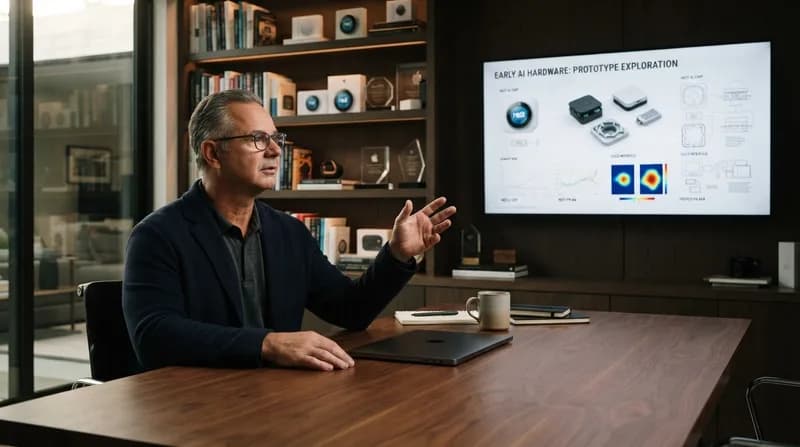
When looking at the landscape of recent hardware releases, it is impossible to ignore the graveyard of ambitious AI-integrated devices. Products like the Rabbit R1, the Humane Ai Pin, and the Limitless pendant arrived with significant fanfare but quickly fizzled out. For Tony Fadell, the visionary behind iconic devices like the iPod and the Nest thermostat, the reason for these failures is simple: these products were solutions in search of a problem. According to Fadell, they provided novel, geeks-only demonstrations of technology rather than addressing genuine, everyday consumer pain points.
Fadell argues that these devices assumed a level of demand for 'AI assistants' that simply does not exist for the vast majority of the population. Very few people have experience with human assistants, and even fewer understand how to integrate one into their daily routines. Building trust with an artificial agent is a complex process, not a plug-and-play feature. By shipping hardware that prioritized the 'wow' factor of AI over long-term utility and personal security, these first-wave manufacturers essentially ignored the foundational requirements for consumer adoption.
The Critical Barrier: Security and Trust
Beyond the lack of utility, there is a fundamental issue of data sovereignty and privacy. Giving an AI agent access to sensitive information—such as banking credentials, calendar invites, and personal communications—is a massive leap that current hardware has yet to justify. Fadell points out that trust is not built overnight; it takes years for humans to learn how to rely on an assistant, and AI companies are currently trying to bypass that relationship-building phase with aggressive, and sometimes buggy, software releases.
The skepticism is well-founded. Recent security vulnerabilities in platforms like Meta’s Muse highlight the dangers of rushing AI agents to market. As companies scramble to integrate these models, the "mad dash" approach often leads to compromises in safety. Fadell contends that for AI to truly succeed as an assistant, it must operate on-device. This approach keeps sensitive data off the cloud and provides a necessary layer of protection that users are more likely to trust, much like how Apple established security through localized biometric processing like Face ID.
Why Apple Remains the Dark Horse
Fadell suggests that while Apple may currently lag in proprietary AI development, they remain the only company uniquely positioned to solve the hardware-AI integration puzzle. Unlike competitors who rely on screenless pendants or cloud-tethered devices, Apple controls the entire stack: the silicon, the sensors, and the consumer devices already in billions of pockets. This existing hardware footprint gives them a massive advantage over AI startups that must design new, often redundant gadgets just to capture the microphone and camera data they need to function.
Ultimately, the industry is hitting a wall because it is trying to force hardware into the market before the software is actually useful. Fadell remains skeptical of the industry-wide obsession with massive data centers. He believes the future of AI lies in high-compute, battery-operated hardware that prioritizes user privacy. Until a company can prove that their device offers tangible, everyday value while keeping data locked on the chip, the cycle of hype and disappointment is likely to continue.
Why it Matters
- Utility over Novelty: Gadgets that don't solve a daily, specific pain point are destined to become e-waste, regardless of the AI hype.
- On-Device Compute: Privacy and trust are contingent on processing data locally, minimizing reliance on cloud-based transmission.
- The Power of Scale: Established hardware players like Apple have a distinct advantage over startups because they don't need to invent new form factors to capture user sensor data.