The Anatomy of a Security Lapse
In the high-stakes world of government infrastructure, security protocols are meant to be ironclad. However, a harrowing case study shared by security researcher Joe Brinkley highlights how the drive for convenience can dismantle years of defensive planning. During his time as an information system security officer for a government contractor, Brinkley witnessed a classic struggle between developers wanting to streamline data deployment and the critical necessity of network segregation.
The issue centered on a provisioning server tasked with moving code from a lower-security, non-classified datacenter to a high-security environment hosting top-secret production data. Developers argued that the existing firewall restrictions were hindering their workflow. They proposed a modification that would essentially bridge the gap, allowing them to VPN into the commercial datacenter—which shared space with major corporate tenants—and push data directly into the classified production environment. Despite Brinkley’s explicit warnings that this would create a dangerous, direct path from a lower-security zone into a high-security repository, the change was pushed through while he was away on leave.
The Vulnerability Exposed
Upon his return, Brinkley conducted a demonstration to show exactly how fragile the system had become. By connecting to the network via a standard VPN, he was able to pivot from the non-classified environment directly into the production server. This was not a minor exposure; the server in question contained 50 million records detailing sensitive immigration data, including individuals' entry statuses and their domestic contacts.
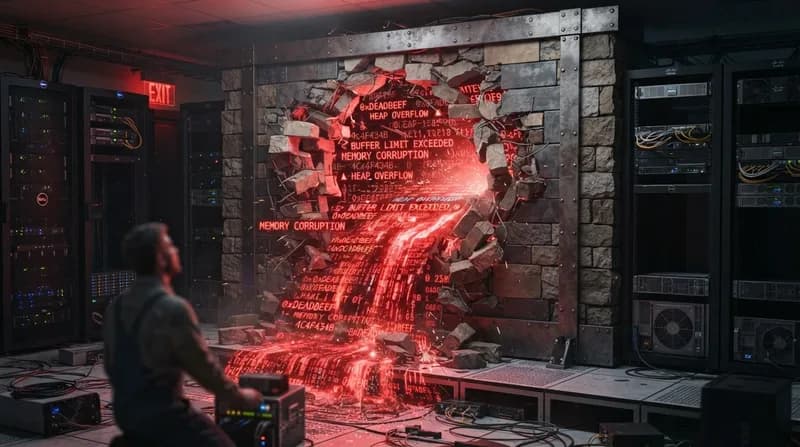
The risk was amplified by the architecture of the network. While the internal government datacenter was intended for restricted access, the commercial-grade VPN used to facilitate the developers' work was accessible to thousands of users. By bypassing the hard firewall, the team had effectively moved the gate to the most sensitive data in the facility onto a network that thousands of people could touch. Without multi-factor authentication and relying on archaic password standards, the system was essentially an open door for any motivated attacker to attempt brute-force access.
Why It Matters
This incident serves as a sobering reminder of the "weakest link" principle in cybersecurity. Even with enterprise-grade VPNs and password-protected systems, technical shortcuts can inadvertently bypass essential defense-in-depth strategies. When developers prioritize operational ease over robust network segmentation, they risk exposing massive, mission-critical datasets to the public internet or lower-trust networks. Security professionals emphasize that authentication alone is never enough; physical and logical network separation remains the bedrock of protecting sensitive infrastructure from unauthorized entry, especially when dealing with data as critical as national immigration records.