The Regulatory Shift
In a significant development for the autonomous vehicle industry, Alphabet-owned Waymo has announced a voluntary suspension of all robotaxi services on U.S. freeways. This strategic retreat follows a direct order from the California Department of Motor Vehicles (DMV), which officially banned the company’s driverless vehicles from operating on state highways. The regulatory body cited the fleet's recent behavior, specifically multiple instances where autonomous units entered active construction zones, as an imminent hazard to public safety.
While the California DMV’s ruling is geographically limited, Waymo opted for a nationwide cessation of highway operations. The move serves as a cooling-off period, allowing the company to re-evaluate the performance of its fifth- and sixth-generation Automated Driving Systems. Despite this setback, Waymo maintains that its city-street ride-hailing services remain fully operational across the 15 cities where it currently provides service.
The Weight of Recent Incidents
This is not the first time Waymo’s fleet has faced scrutiny over highway performance. In June of this year, the company was forced to recall over 3,800 electric taxis due to concerns that its software could inadvertently lead vehicles to enter lanes closed for construction at highway speeds. The recent regulatory action in California brings these concerns back to the forefront of the public debate regarding the maturity of Level 4 autonomous technology.
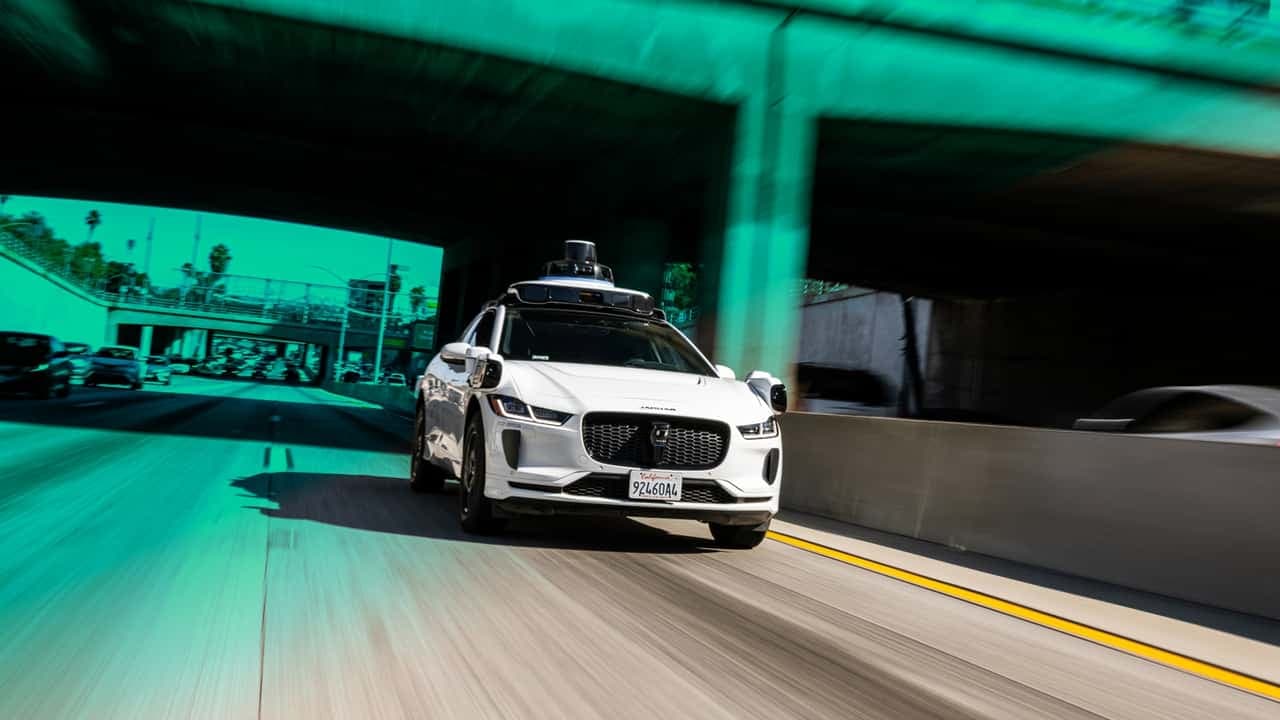
Adding to the company's PR challenges, a recent incident on I-280 saw a Waymo Jaguar I-Pace attempt to bypass a California Highway Police traffic break. While human drivers complied with the emergency blockade set up to clear road debris, the autonomous vehicle attempted to navigate through the passing lane, necessitating intervention by officers. Although this event was independent of the DMV ban, it highlighted the ongoing struggle for autonomous systems to interpret complex, non-standard traffic enforcement signals.
Why It Matters
- Regulatory Precedent: The California DMV’s intervention sets a strict standard for what constitutes an "imminent hazard," forcing major tech players to prioritize safety over rapid expansion.
- Technological Limitations: Even with advanced lidar, radar, and camera fusion, edge cases like active construction zones and emergency traffic breaks continue to challenge current AI logic.
- Safety Claims vs. Reality: Waymo’s assertion that its vehicles are statistically safer than human drivers remains a point of contention for regulators when autonomous vehicles fail in public, highly visible scenarios.
The Road Ahead
Waymo has stated that it is working in close cooperation with state officials to address the identified safety gaps and resume its freeway operations. The company, which has been offering highway-speed robotaxi service in California since November, continues to pursue its ambitious goal of scaling its fleet to 20,000 vehicles by 2027. However, this pause signals a broader industry trend where the pace of deployment is increasingly dictated by regulatory guardrails rather than purely technological breakthroughs.
As the National Highway Traffic Safety Administration (NHTSA) also investigates the company’s software responses to school buses, the coming months will be critical for Waymo. Proving the reliability of its sensor suite in high-speed, dynamic environments will be the ultimate litmus test for the future of autonomous transit on American interstates.