The Great Shift at Volkswagen
In a milestone that signifies the turning of the tide for the automotive industry, Volkswagen has officially hit a tipping point in its home market. For the first time, orders for electric vehicles have surpassed those for traditional combustion engine models within Germany. This shift is particularly striking given that Germany stands as Europe’s largest and most influential car market, serving as a bellwether for the rest of the continent's transition to sustainable mobility.
While this surge in interest is a testament to the success of Volkswagen's latest electric architecture, it has presented the automaker with a complex logistical challenge. The company, which is currently undergoing a rigorous cost-cutting initiative, must now rapidly pivot its manufacturing footprint to align with consumer preferences that have evolved far faster than initial corporate forecasts suggested. This isn't just about changing product labels; it involves deep systemic adjustments to factory shifts, supply chains, and labor allocations.
Refining the Manufacturing Footprint
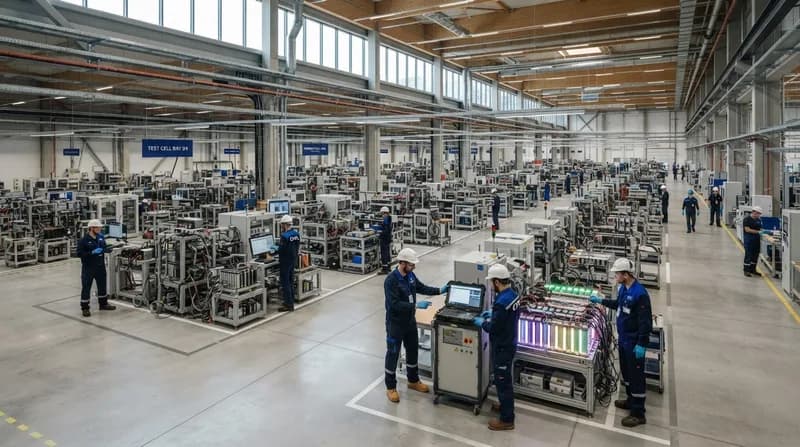
The manufacturing ripple effects are already being felt across Volkswagen’s facility network. The iconic Wolfsburg plant, a historical bastion of combustion vehicle production where the Golf and Tiguan roll off the lines, is seeing a reduction in planned operational shifts. Previously slated to boost output to over 600,000 internal combustion engine units this year, the facility is scaling back these projections to mirror the cooling demand for gas and diesel vehicles.
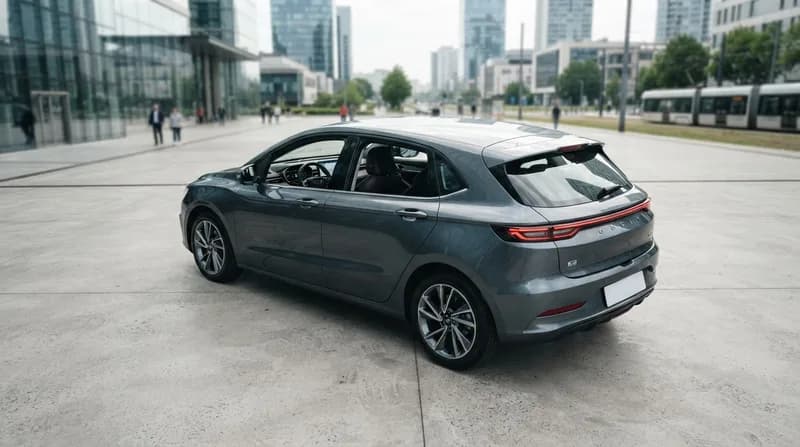
Conversely, facilities dedicated to the electric future are seeing a surge in activity. The Emden plant, which serves as the production hub for the ID.7 electric sedan and wagon, is implementing additional special shifts to keep pace with an influx of new orders. Similarly, the Zwickau facility—already a cornerstone of the ID.3 Neo hatchback production—is scaling up its throughput to ensure that the supply pipeline stays as lean and responsive as possible to this newfound market velocity.
The "Urban Electric" Success Story
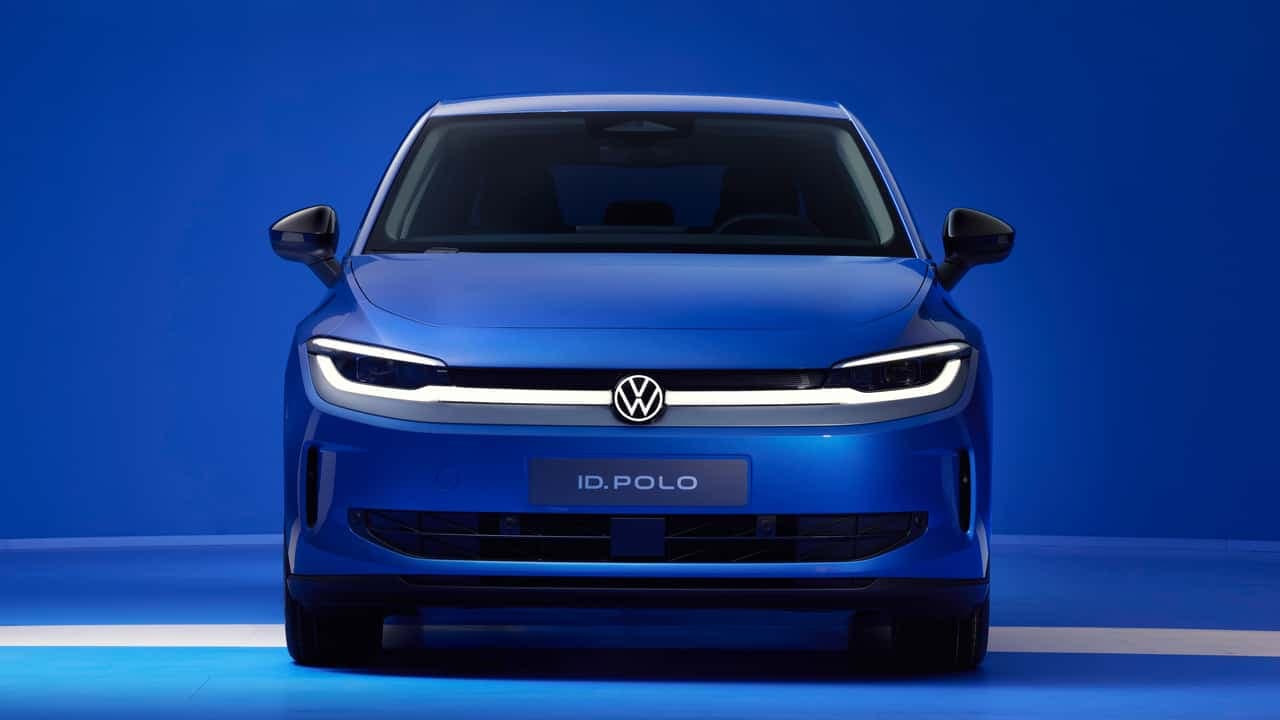
The catalyst for this shift is largely driven by the high performance of Volkswagen's new budget-friendly electric family. The standout performer, the upcoming ID. Polo, has already secured over 40,000 pre-orders. When combined with its technical siblings—the Cupra Raval, Skoda Epiq, and Volkswagen ID. Cross—the total order book for these compact urban EVs has reached an impressive 100,000 units.
These vehicles have hit a 'sweet spot' in the market, combining competitive range, rapid charging capabilities, and accessible pricing. By leveraging the cost-efficiencies of platforms designed specifically for urban mobility, Volkswagen has effectively lowered the barrier to entry for prospective EV buyers. The popularity of these models, currently manufactured in Spain, suggests that the appetite for accessible, daily-driver electric transit is at an all-time high, fundamentally altering the manufacturer's roadmap for the coming years.
Why It Matters
- Strategic Pivot: The shift from combustion to electric as the primary order driver signals that the 'early adopter' phase for EVs in Europe is over, giving way to mass-market adoption.
- Operational Strain: The immediate need to rebalance production between legacy plants like Wolfsburg and EV-centric facilities highlights the difficulty of legacy automakers transitioning without abandoning their infrastructure.
- Economic Reality: Despite the volume, Volkswagen faces the challenge of maintaining profit margins, as electric vehicles currently offer lower returns compared to high-margin traditional combustion models.
Looking Ahead: The Future of the ID Family
As the market continues to evolve, Volkswagen's path forward rests on its ability to sustain this momentum while addressing profitability. With the upcoming introduction of an even smaller, entry-level city car, likely to be branded as the ID. up!, the company aims to dominate the lower-cost segment of the European market. By filling this final gap in its lineup, Volkswagen hopes to capitalize on the growing demand for affordable electric runabouts, ensuring that its transition to a fully electric manufacturer is not just a technological feat, but a sustainable business success story.