Targeting the Tumor’s Adaptive Defense
Glioblastoma has long remained a formidable challenge in oncology, primarily due to its aggressive nature and an uncanny ability to withstand the standard battery of radiation and chemotherapy. Because these tumors are notoriously adept at repairing themselves and adapting to treatment-related damage, patient outcomes have seen limited improvement over recent years. However, a breakthrough study from The Ohio State University Comprehensive Cancer Center – Arthur G. James Cancer Hospital and Richard J. Solove Research Institute offers a promising new direction by identifying a specific biological vulnerability within the cancer cells themselves.
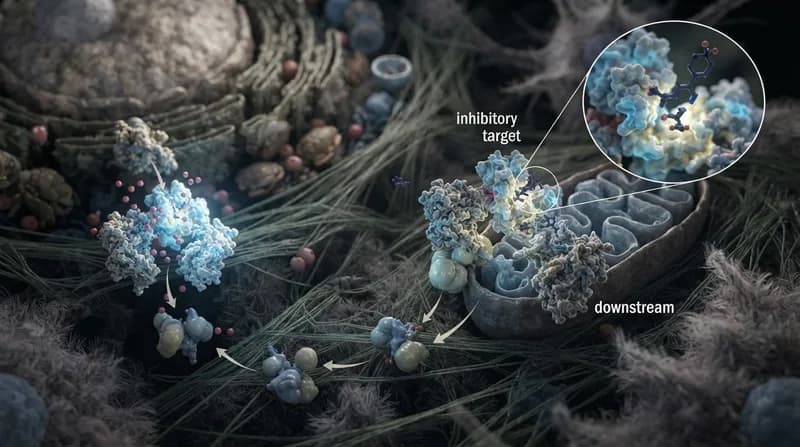
At the heart of the discovery is an enzyme known as PP2A. Under normal conditions, this enzyme helps regulate cellular signals that govern growth, survival, and recovery. In the case of glioblastoma, the cancer cells effectively silence this enzyme by utilizing three specific proteins: ANP32A, CIP2A, and SET. By hijacking these proteins to suppress PP2A, the tumor gains the ability to survive lethal damage. The research team found that by blocking these inhibitory proteins, they could essentially force the cancer cells to lose their defensive edge, making them significantly more vulnerable to radiation and preventing the development of tumors in preclinical models.
The Role of the SET Protein
Among the identified inhibitors, the SET protein emerged as a particularly critical target. Preclinical experiments demonstrated that suppressing SET had a profound impact on inhibiting tumor formation. Furthermore, the researchers noted that interfering with SET and its related partners not only reduced the survival rate of cancer cells but also sensitized the remaining cells to therapeutic radiation. This dual-action approach suggests that rather than needing entirely new classes of drugs, oncologists might eventually be able to use targeted therapies to "unmask" the cancer, allowing existing treatments to perform at maximum efficiency.
Implications for Future Therapy
The implications of this study reach beyond simple observation; they provide a potential roadmap for drug development. The researchers have already begun investigating existing medications, including certain FDA-approved antipsychotics known to modulate PP2A activity, as potential candidates for clinical trials. However, experts emphasize that these findings are currently in the early, preclinical stages. While the results in animal models are highly encouraging, the leap to human clinical trials requires rigorous safety assessments to ensure that restoring PP2A activity can be done without negative systemic side effects.
Why It Matters
- Overcoming Resistance: Glioblastoma's biggest weapon is its ability to repair DNA damage; this research targets the mechanism that facilitates that repair.
- Enhancing Standard Care: Instead of replacing surgery or radiation, this strategy acts as a force multiplier, making current treatments more lethal to tumors.
- New Drug Pathways: The identification of the SET/PP2A pathway provides a clear, actionable target for pharmaceutical researchers looking to develop precision inhibitors.
As the scientific community looks toward the next steps, the team remains focused on refining these inhibitory strategies. While patients and clinicians await further developments, this research marks a significant departure from previous approaches, moving away from simple tumor destruction and toward a more nuanced strategy of disabling the tumor's biological survival mechanisms.