The Cellular Trade-Off
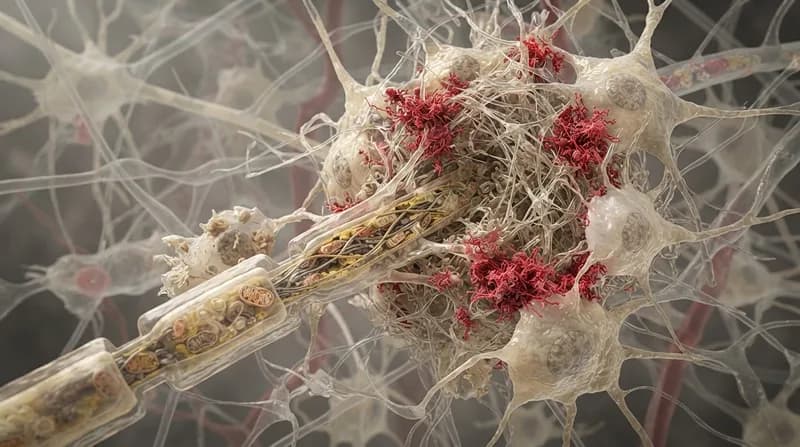
For decades, neuroscientists have grappled with a fundamental limitation of human biology: the inability of the central nervous system to effectively repair itself after a traumatic injury. Unlike peripheral nerves that can sometimes heal, axons in the brain and spinal cord typically fail to regrow, leading to permanent neurological deficits. A team of researchers at the Icahn School of Medicine at Mount Sinai has finally identified the culprit behind this biological inertia: a protein known as the aryl hydrocarbon receptor (AHR).
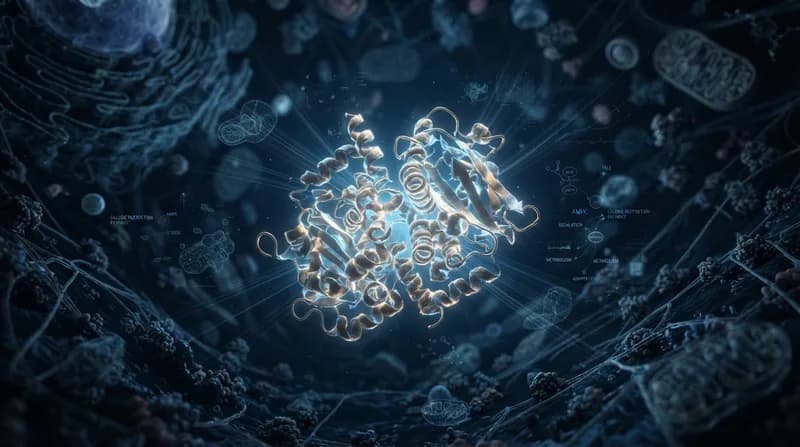
Published in the journal Nature, the study highlights how AHR functions as a molecular switch, forcing neurons to prioritize survival over regeneration. When a nerve cell is damaged, it enters a state of high stress. The AHR protein effectively pulls the emergency brake, diverting the cell's limited resources toward proteostasis—the maintenance of properly folded proteins—to prevent toxic buildup. While this protective mechanism helps the cell survive the immediate trauma, it shuts down the metabolic pathways required to extend new axons and reconnect damaged circuitry.
Rewiring the Response
The breakthrough came when researchers began to manipulate the presence of AHR in injured neurons. Through genetic modification and pharmacological inhibition, the team was able to effectively 'release the brake.' Once AHR activity was suppressed, the neurons underwent a dramatic shift in behavior. Instead of remaining in a static, defensive posture, the cells ramped up protein synthesis and initiated growth-related biological cascades.
This regenerative surge relies on a secondary, well-known protein called HIF-1α. Typically associated with cellular adaptation to low-oxygen environments, HIF-1α appears to work in concert with the absence of AHR to favor tissue repair and growth. In laboratory models, mice treated to inhibit AHR showed measurable improvements in both motor function and sensory perception following spinal cord and peripheral nerve injuries, offering a proof-of-concept that shifting a neuron's internal priority can lead to functional recovery.
Why it Matters
- Overcoming Biological Limitations: This discovery addresses one of the most stubborn barriers in neuroscience, potentially turning non-regenerating neurons into active builders of new connections.
- Drug Repurposing Potential: Because various AHR inhibitors are already in clinical trials for other conditions, the timeline for potential neurological applications could be significantly shorter than developing entirely new compounds.
- Broad Medical Implications: While the primary focus is spinal cord injury, the mechanism of AHR inhibition could potentially be applied to strokes, neurodegenerative diseases, and other conditions where axonal connection is compromised.
The Path to Clinical Application
While the findings are promising, the research team emphasizes that this is an early, albeit critical, step. The transition from rodent models to human clinical trials requires extensive investigation into the nuances of nerve damage. Scientists must determine if the timing of AHR inhibition is critical—does it work best immediately after injury or in the weeks that follow? Furthermore, they must assess the impact of manipulating this pathway on other cells in the nervous system to ensure that promoting repair does not inadvertently trigger unintended side effects.
Moving forward, the Mount Sinai team is exploring two primary avenues: small-molecule inhibitors that can be delivered to the site of the injury and gene therapy techniques that can selectively silence the AHR signal within specific neurons. If these methods can safely bridge the gap between bench research and the clinic, they could offer a transformative path forward for patients living with the life-altering consequences of spinal cord trauma.