ScienceTechnical Deep Dive

SpaceX to Launch Northrop Grumman’s S.S. James Lovell Cargo Mission to ISS

Published
EElectricBuzz Editorial Team
SpaceX to Launch Northrop Grumman’s S.S. James Lovell Cargo Mission to ISS
3 min read449 wordsElectricBuzz Editorial Team

The Gist

“A powerful SpaceX Falcon 9 rocket is slated to carry the Cygnus XL freighter to the International Space Station, packed with critical research and supplies.”

The Mission Launch

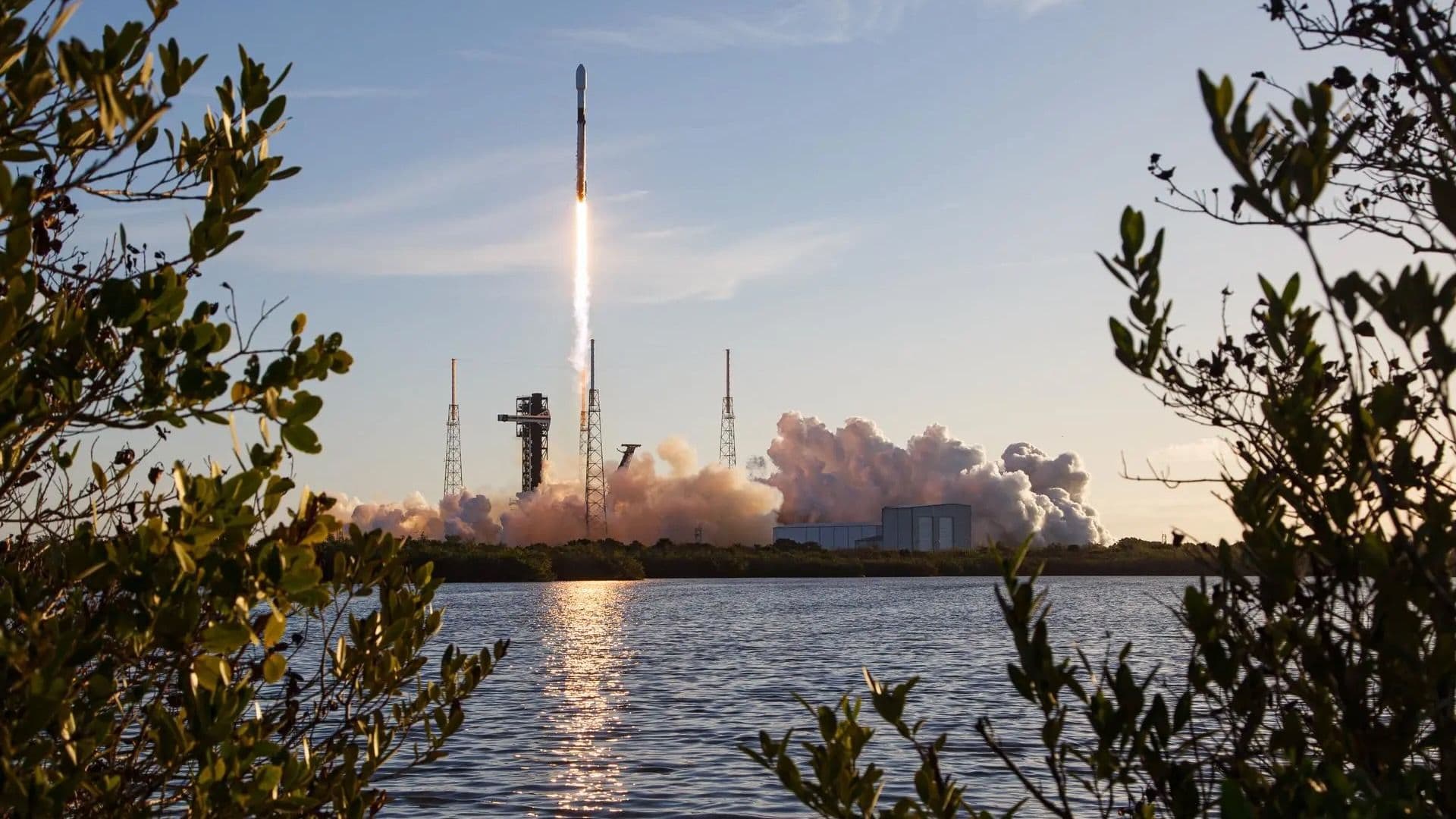
SpaceX continues to play a pivotal role in maintaining the logistics chain for the International Space Station (ISS). Today, a Falcon 9 rocket is scheduled for liftoff from Florida’s Cape Canaveral Space Force Station, marking the beginning of the 25th Commercial Resupply Services (CRS) mission for Northrop Grumman. This routine yet complex operation highlights the ongoing collaboration between private aerospace giants and NASA to keep the orbiting laboratory fully operational.

The centerpiece of the launch is the Cygnus XL, a sophisticated robotic cargo freighter designed for heavy-duty resupply. This specific vessel has been christened the S.S. James "Jim" A. Lovell in honor of the legendary Apollo 13 commander and celebrated spaceflight pioneer. It represents the fourth flight of the "XL" variant, which boasts a 30% increase in cargo capacity compared to its predecessor, allowing for more substantial delivery of supplies, experimental gear, and hardware.

Scientific Payloads and Research Objectives

The S.S. James Lovell is carrying a massive payload totaling approximately 11,000 pounds, or nearly 5,000 kilograms. Beyond standard provisions for the station's crew, the freighter contains a significant suite of scientific experiments aimed at pushing the boundaries of medical research and long-duration space habitation. Key areas of investigation include advanced drug delivery mechanisms for cancer treatment and osteoarthritis, as well as novel methods for predicting the spread of cancerous cells in microgravity.

Furthermore, the mission supports research into addressing muscle loss—a common challenge for astronauts on long-term missions—alongside technological experiments in radiation sensing and sustainable food production. These studies are vital for humanity's future endeavors, particularly as NASA and international partners look toward long-duration missions that may eventually extend to the Moon and beyond. These experiments demonstrate how the ISS remains an unparalleled facility for breakthroughs that benefit both space exploration and life on Earth.

Logistics and Future Outlook

Following its scheduled deployment, the Cygnus XL is expected to arrive at the ISS on Tuesday, December 1st. The capture process will rely on the station's Canadarm2 robotic arm, operated by NASA astronauts Jessica Watkins and Luke Delaney, who will guide the craft to the Unity module for permanent installation. This resupply vehicle will remain docked until May 2027.

Unlike the SpaceX Dragon capsule, which is designed to be reusable and can splash down safely in the ocean, the Cygnus freighter is a single-use logistics vehicle. After its tenure at the station concludes, it will be loaded with waste material from the ISS and released, where it will eventually burn up during re-entry into Earth's atmosphere. This lifecycle is part of the established logistical cadence that keeps the ISS operational alongside other international and private cargo solutions, such as the Russian Progress and the Japanese HTV-X vehicles.


SPONSORED
The 5 Best Over-Ear ANC Headphones of 2026, Tested & Ranked
Editor's Pick Guide
92/100
Tech & Gadgets•12 min read

The 5 Best Over-Ear ANC Headphones of 2026, Tested & Ranked

We locked five over-ear ANC picks for 2026 — Sony WH-1000XM6, Bose QuietComfort Ultra 2, Soundcore Space One, Sennheiser Momentum 5, and Apple AirPods Max 2 — then stress-tested them on lab metrics, long-term owner truth, and live street prices.

Related Stories

Semantically matched articles, ranked by topic overlap and freshness.

Geological Breakthrough: Scientists Identify When Earth's Tectonic Engine Sparked to Life
Science

Geological Breakthrough: Scientists Identify When Earth's Tectonic Engine Sparked to Life

New geochemical research suggests that Earth’s modern system of moving plates began approximately 2.5 billion years ago, marking a pivotal shift in our planet's evolution.

Unlocking Nerve Regeneration: Scientists Identify the Protein 'Brake' Preventing Healing
Science

Unlocking Nerve Regeneration: Scientists Identify the Protein 'Brake' Preventing Healing

Researchers have discovered that a single protein acts as a molecular brake on nerve repair, a finding that could revolutionize treatments for spinal cord injuries.

A Beacon of Hope: Endangered Leatherback Turtles Find Refuge in Ecuador
Science

A Beacon of Hope: Endangered Leatherback Turtles Find Refuge in Ecuador

In a remarkable act of adaptation to a warming planet, the world’s largest sea turtles are migrating to new, cooler nesting grounds along the Ecuadorian coast.

Hidden Hazards: New Research Links Lesser-Known 'Forever Chemicals' to Liver Cancer
Science

Hidden Hazards: New Research Links Lesser-Known 'Forever Chemicals' to Liver Cancer

A groundbreaking USC study identifies two overlooked PFAS compounds that significantly increase liver cancer risk, especially for those with genetic predispositions.

The End of Fading Paint: How Silicon Nanospheres Are Revolutionizing Color
Science

The End of Fading Paint: How Silicon Nanospheres Are Revolutionizing Color

Researchers have developed a breakthrough pigment-free, structural coating that achieves brilliant, glossy, and durable color using lightweight silicon nanospheres.

Yale Researchers Uncover a Biological 'Shortcut' to Longevity
Science

Yale Researchers Uncover a Biological 'Shortcut' to Longevity

A breakthrough study reveals that targeting a specific immune protein could mimic the anti-aging benefits of calorie restriction without the need for strict dieting.

The Allergy Revolution: Is a Cellular Power Failure to Blame?
Science

The Allergy Revolution: Is a Cellular Power Failure to Blame?

New research suggests that allergies may not stem from an overactive immune system, but rather from a fundamental bioenergetic collapse within our protective barrier cells.

Lipfendra Breakthrough: The First Oral PCSK9 Inhibitor Revolutionizes Cholesterol Care
Science

Lipfendra Breakthrough: The First Oral PCSK9 Inhibitor Revolutionizes Cholesterol Care

FDA-approved Lipfendra (enlicitide) marks a major medical milestone, offering the efficacy of injectable cholesterol treatments in a simple, once-daily pill.