The Evolution of Falcon
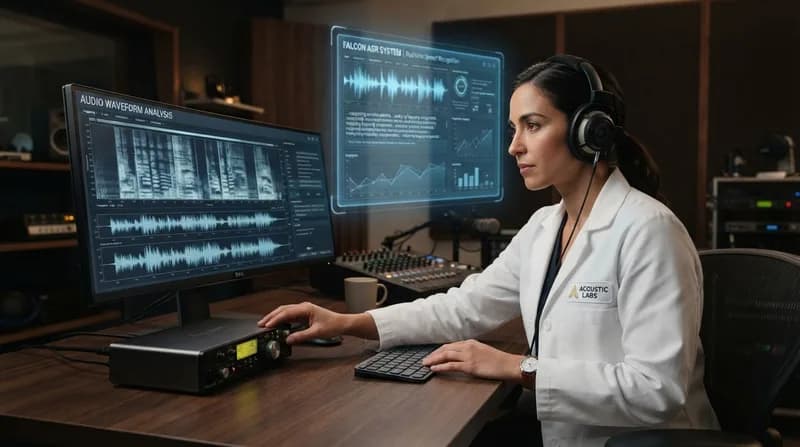
The Technology Innovation Institute (TII), the organization behind the renowned open-source Falcon large language models, has expanded its AI portfolio with the release of Falcon ASR. This Automatic Speech Recognition model is built to bridge the gap between complex audio inputs and accurate, high-fidelity transcriptions, marking a significant step forward for the Abu Dhabi-based research entity as it diversifies its capabilities beyond traditional LLMs.
Falcon ASR is designed to handle varied acoustic environments, ensuring that transcription remains reliable even in less-than-ideal recording conditions. By leveraging the same open-philosophy and rigorous architectural standards that made the original Falcon series a favorite among developers, TII aims to provide a robust alternative for enterprises and researchers looking for high-performance speech processing that avoids the "black box" constraints of proprietary platforms.
Why It Matters
- Open Accessibility: By offering Falcon ASR to the developer community, TII continues its commitment to lowering barriers for high-end AI research and deployment.
- Architecture Precision: The model is optimized for high-throughput tasks, making it suitable for both real-time streaming applications and massive batch-transcription workflows.
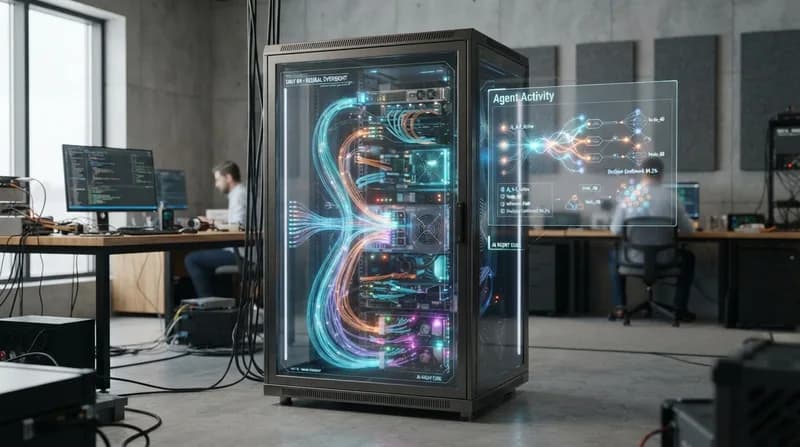
- Seamless Integration: Designed to play well with existing NLP pipelines, it allows developers to pair speech data with advanced LLMs for more sophisticated voice-enabled AI agents.
Looking Ahead
As the AI landscape pivots toward multi-modal capabilities—where systems must understand not just text, but audio and visual inputs—the release of Falcon ASR provides a critical foundation for voice-first interactions. As TII continues to iterate on this architecture, the industry can expect to see enhanced support for multiple languages and specialized dialects, potentially setting a new standard for open-source speech recognition performance. The move signals that the next generation of intelligent systems will be powered by highly specialized components that are as transparent as they are capable.