The Dual Reality of Nvidia
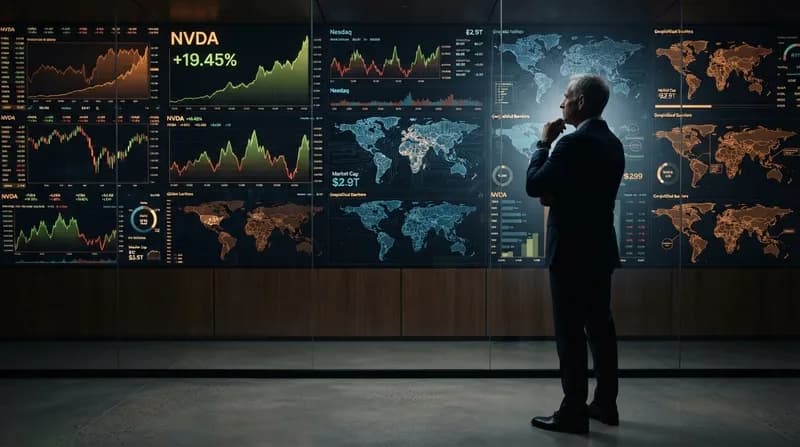
Nvidia currently finds itself in a state of corporate bifurcation. On one side of the ledger, the company is performing at an unprecedented level, with its latest earnings report shattering expectations and demonstrating a robust, long-term pipeline of growth. The current executive team, spearheaded by interim CEO Colette Kress, maintains a stance of unwavering confidence, assuring stakeholders that the company’s trajectory remains secure despite the complex challenges it faces.
Simultaneously, however, a parallel narrative is playing out in the public sphere. High-profile tech figures, most notably Elon Musk, have been vocal in their demands for the reinstatement of former CEO Jensen Huang. This movement has gained enough momentum to include circulating petitions and even public affirmations from Huang himself that he is open to a return. While Wall Street has reacted with skepticism—evidenced by recent fluctuations in the company’s stock price—the leadership vacuum has created a sense of instability that is rare for a company of Nvidia’s stature.
Tightening Constraints in China
The geopolitical landscape remains a significant headwind for Nvidia. The company has officially announced that it will cease the sale of its H200 chips in China, aligning its strategy with increasingly stringent export controls. This move comes as administrative pressure from the U.S. government seeks to close existing loopholes, such as the remote access of powerful AI hardware housed in neighboring regions like Malaysia.
The economic stakes of these policy shifts are substantial. Industry observers estimate that approximately 20% of Nvidia's business may be tied to the Chinese market, often through indirect channels. By severing these supply paths, the company is prioritizing compliance over short-term revenue. Whether this move effectively satisfies regulators or simply prompts further redirection of chip supply remains a critical point of concern for investors monitoring the company's long-term profitability.
The Shadow of Leadership Uncertainty
The campaign to bring Jensen Huang back to the helm of Nvidia is more than just social media noise; it is a signal of the intense pressure currently exerted on the company’s board of directors. Industry analysts suggest that the board is acting with extreme caution, likely looking at historical corporate governance failures—such as the tumult surrounding OpenAI—to ensure they maintain full control over the transition.
Despite the public denial of a leadership change, the ambiguity of the situation remains palpable. The firm stance taken by the board to dismiss rumors of a potential return suggests an internal effort to present a unified front. However, in the fast-paced world of Silicon Valley, the situation remains highly fluid. Should the pressures from prominent tech stakeholders continue to mount, or should the company’s performance falter without its former leader, the current executive "we have this" mantra may find itself tested by the realities of public shareholder sentiment.
Why It Matters
- Financial Performance: Despite management drama, Nvidia’s core financials remain strong, providing a buffer against current market volatility.
- Geopolitical Exposure: The move to block remote chip access in China signals a pivot toward strict adherence to U.S. export law, which could impact revenue streams.
- Corporate Governance: The ongoing tug-of-war between public demand for a former CEO and the board's desire for independence highlights the precarious nature of leadership in tech conglomerates.