A New Frontier for Domestic Hardware
The vision of the smart home is about to undergo a radical transformation. Speaking at TechCrunch Disrupt 2026, Andrew Feldman, CEO and co-founder of the AI chip powerhouse Cerebras Systems, suggested that the era of the personal AI appliance is closer than many industry observers realize. According to Feldman, the evolution of consumer-grade AI agents—exemplified by high-valuation startups like Muse and Instinct—is setting the stage for hardware that does more than just stream media or control lights; it will actively manage our digital lives.
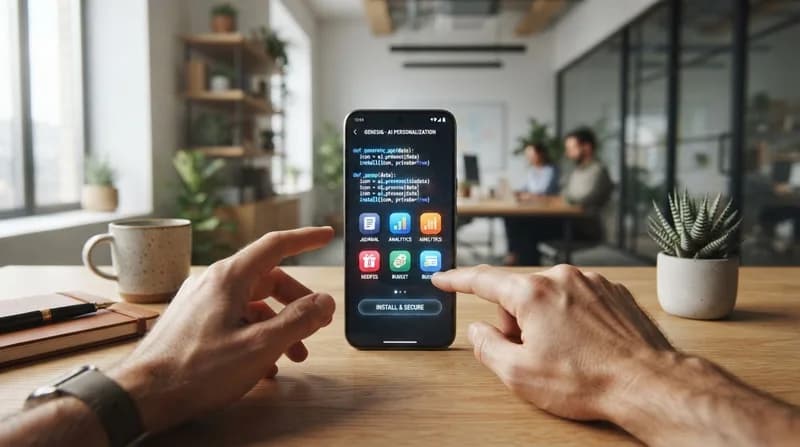
Feldman’s vision moves beyond the current software-only paradigm of chatbots. He anticipates a hybrid model for personal AI, mirroring the architecture of modern smartphones. By balancing localized processing with secure cloud connectivity, these future devices will maintain a rigorous security perimeter around sensitive user data. This hardware won't just be an interface; it will be an active participant in daily routines, capable of handling financial transactions, managing calendars, and providing context-aware support by learning the unique preferences and habits of its owner.
Why It Matters: The Infrastructure Shift
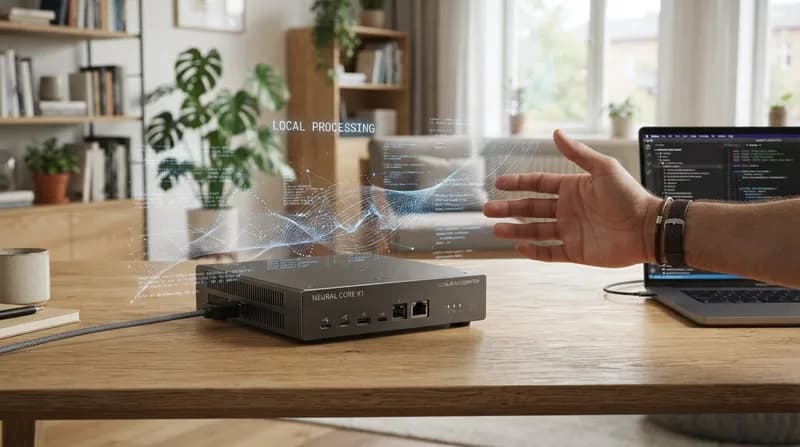
The shift toward local AI hardware represents a significant pivot in how consumers interact with machine learning models. Moving computation from centralized data centers directly into the living room addresses several critical concerns that currently hinder mainstream adoption:
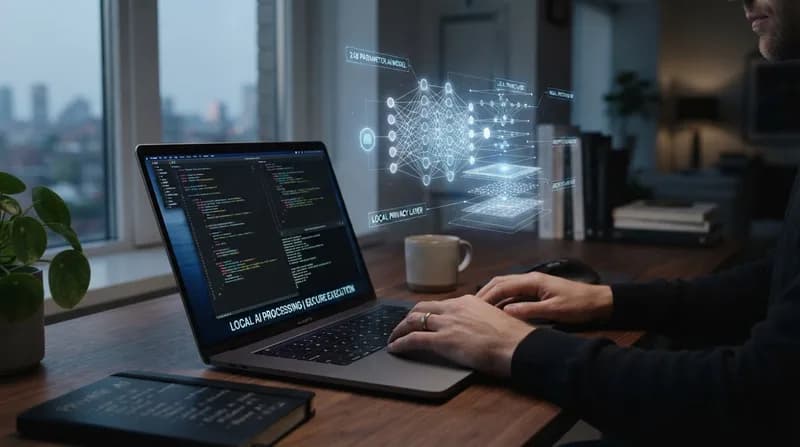
- Enhanced Privacy: By keeping personal data, preferences, and activity logs on a local device, users can maintain a physical security perimeter that is inherently more private than purely cloud-based services.
- Latency Reduction: Localized hardware minimizes the delay between a command and an execution, creating a much more fluid and natural user experience for voice-based or agentic interactions.
- Agentic Autonomy: As these appliances get to know their users, they move from being reactive tools to proactive agents capable of handling complex, multi-step tasks like managing subscriptions or negotiating services.
Feldman remains committed to the "picks and shovels" strategy of the AI boom. By focusing on the high-performance infrastructure that powers these models, Cerebras aims to provide the foundational technology that enables innovators to build the next generation of consumer appliances. While he is currently utilizing a suite of AI agents himself to automate scheduling and information gathering, his focus remains on building the platforms where future consumer-facing ideas can scale. As these specialized chips become more efficient and accessible, the barrier to entry for building a dedicated, AI-native home device will continue to collapse, paving the way for a new category of consumer electronics.