Bridging the Gap Between Machines and Nature
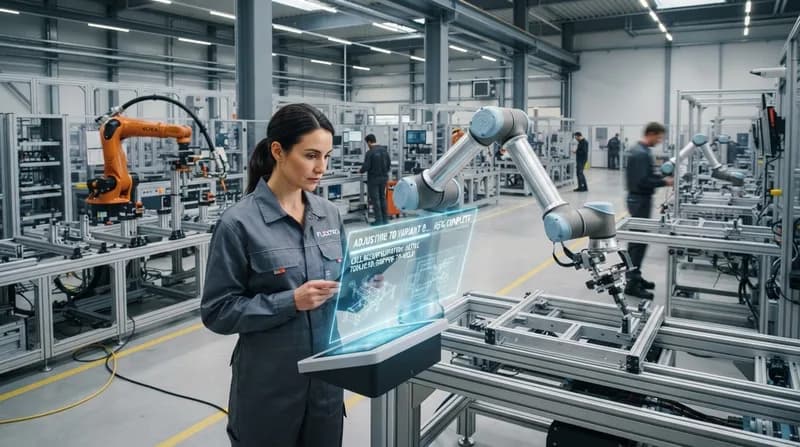
Modern infrastructure, from high-speed rail lines to bustling airport runways, is often at odds with the natural world. For decades, the primary methods for preventing wildlife-related damage have been rudimentary: static fencing, strobe lights, or sirens that often prove ineffective as animals quickly habituate to their presence. Sara Nozkova, founder of Flox Intelligence, recognized that while AI has revolutionized controlled environments like factories and data centers, our machines remain fundamentally 'blind' to the unpredictable dynamics of the outdoors. To address this, she developed a sophisticated, adaptive hardware platform that brings 'nature intelligence' to critical infrastructure.
Flox Intelligence moves beyond one-size-fits-all deterrents by employing edge-based perception systems. By processing visual and motion data directly on the device rather than relying on cloud connectivity, these units provide real-time, autonomous decision-making in remote locations. This allows the hardware to identify specific animal species and select appropriate, non-lethal deterrent signals—such as specialized sounds—that are tailored to the behavior of the intruder. By varying these signals, the system prevents the common issue of habituation, ensuring that the deterrent remains effective over the long term.
Hardware Versatility and Deployment
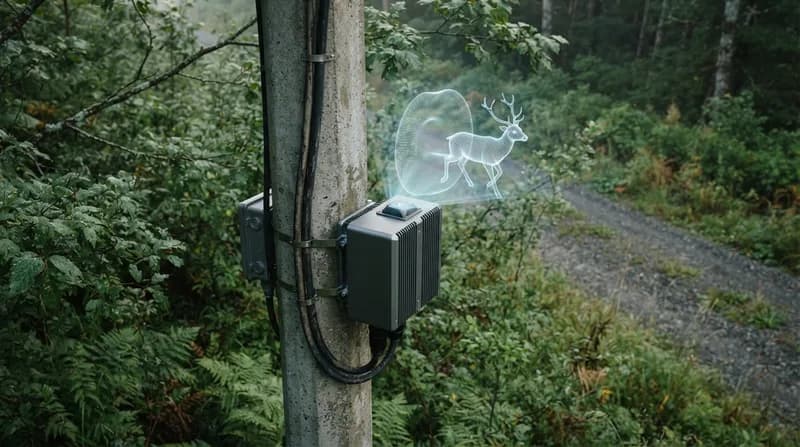
The current hardware lineup from Flox consists of rugged, battery-operated edge devices designed for deployment in challenging environments. These units are built to withstand the elements, mounted on structures ranging from utility poles to forestry trees. They operate in a two-stage process: a passive motion sensor wakes the unit upon detection, which then triggers a high-resolution camera. On-device machine learning models process the visual feed to determine the threat level and species, triggering the specific acoustic response necessary to guide the animal safely away from the danger zone.
Beyond the hardware itself, Flox provides a robust software platform that serves as a central control center for operators. This interface allows clients to monitor deployment maps, track real-time activity, and generate comprehensive reports for environmental and safety regulatory compliance. This data-driven approach not only prevents incidents but also contributes to broader biodiversity monitoring efforts, providing companies with actionable insights into local wildlife patterns around their critical assets.
Future Implications and Strategic Outlook
The vision for Flox extends well beyond fixed pole-mounted units. As the company scales, it is working toward making its AI software portable enough to be integrated directly into mobile machines. Partnerships with major manufacturers, such as the rail giant Alstom, signal a shift toward 'on-vehicle' perception, where the AI system is embedded directly into the chassis of trains and heavy trucks. This evolution will allow transit systems to scan for wildlife in real-time, further reducing the risk of collisions.
Why It Matters
- Financial Impact: Wildlife strikes cost the aviation industry hundreds of millions annually and cause massive delays for rail operators worldwide.
- Animal Welfare: Intelligent, non-lethal deterrence protects biodiversity by keeping wildlife out of harm's way without resorting to traditional, harsher methods.
- Edge AI Maturity: Flox is a prime example of the next generation of 'Physical AI,' where models move out of the lab and into messy, unscripted, real-world outdoor environments.
Flox currently has approximately 150 devices live across North America, Europe, and Australia, protecting everything from electrical substations to mining sites. With a fresh round of funding on the horizon, the company is preparing to expand its footprint to several thousand units, positioning itself at the forefront of the emerging field of nature-aware industrial infrastructure.