The Shift Toward AI-Assisted Asset Production
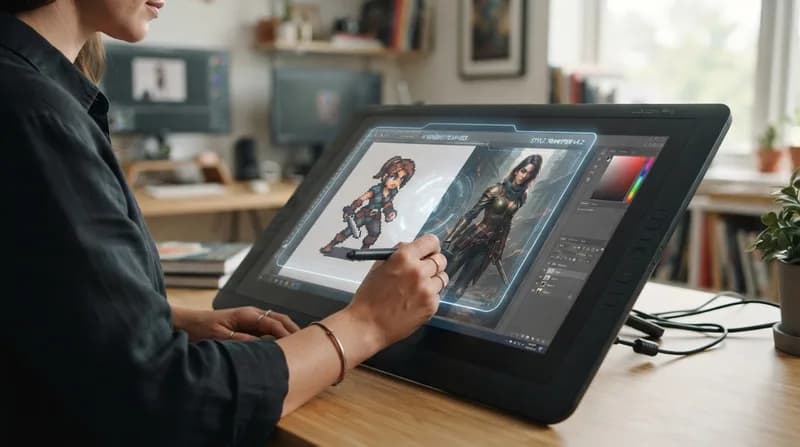
The landscape of game development is undergoing a seismic shift as artificial intelligence tools become more deeply integrated into the creative pipeline. Recent advancements in 2D asset generation focus on the power of Dreambooth, a technique that allows developers to fine-tune Stable Diffusion models on specific subjects, styles, or character designs. By training these custom models, creators can ensure that their AI-generated outputs maintain a consistent look, which has historically been a significant bottleneck in rapid prototyping.
This methodology moves beyond generic image generation, offering a bespoke approach where the AI learns the unique aesthetic language of a particular project. Whether it is specific environmental props, character sprites, or stylized UI elements, the ability to train a model to understand a developer's specific art direction means that the final assets feel cohesive and professional rather than disjointed or inconsistent.
Why It Matters for the Industry
The integration of specialized AI agents and model training workflows signifies a transition toward more efficient production cycles for indie and AAA studios alike. Key benefits of this evolution include:
- Consistency: Dreambooth enables the generation of hundreds of assets that adhere to a single visual style, reducing the need for manual post-processing.
- Speed: Custom training reduces the time-to-market for high-quality, game-ready 2D assets, allowing teams to iterate on concepts in a fraction of the time.
- Personalization: Developers are no longer beholden to base model limitations, as they can teach the software to recognize specific art assets unique to their game's identity.
As studios move to implement these training techniques, the barrier to entry for high-fidelity 2D design continues to lower. The future of gaming aesthetics will likely be defined by a collaboration between traditional digital artistry and these increasingly refined AI training modules, which act as force multipliers for creative departments. By embracing these tools, game developers are finding new ways to scale their output while maintaining the artistic soul of their projects.