The Aerodynamic Trade-off
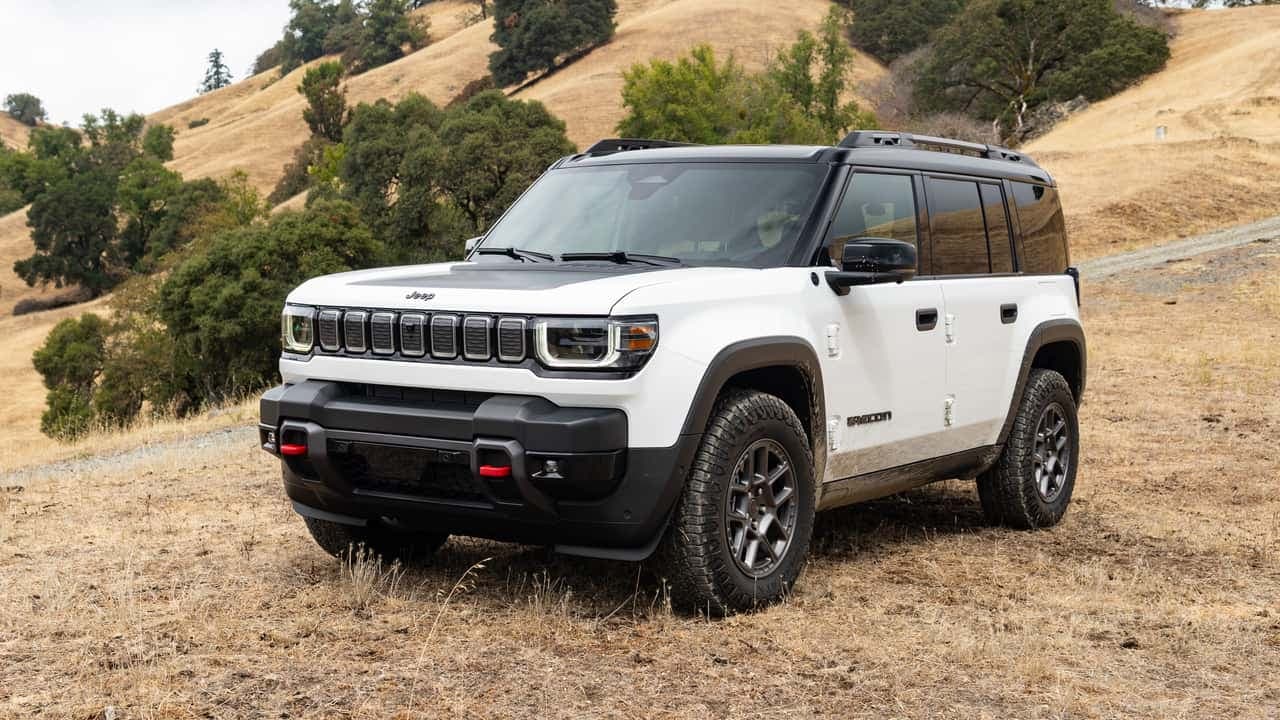
The 2026 Jeep Recon is engineered for one primary purpose: conquering rugged terrain where traditional combustion vehicles struggle. To achieve this, Jeep opted for a distinctly boxy profile, substantial ground clearance, and oversized, aggressive tires. While these design choices are essential for trail-crawling capabilities, they create a significant hurdle for highway efficiency. Aerodynamic drag, which increases exponentially with speed, becomes the primary enemy of the Recon once it leaves the dirt paths and merges onto the interstate.
Recent real-world highway testing has shed light on exactly how this design philosophy impacts battery consumption. When driven at a constant speed of 75 miles per hour, the Recon managed to cover only 160 miles on a full charge. This figure represents a notable departure from its EPA-estimated combined range of 222 miles. It highlights an important nuance for prospective owners: this vehicle is built for specialization, not for high-speed cruising efficiency. The energy expenditure required to push that upright, trail-ready front end through the air at highway velocities illustrates the inherent compromise between off-road dominance and aerodynamic optimization.
Efficiency and Infrastructure Realities
Underneath its rugged exterior, the Jeep Recon is equipped with a 94-kilowatt-hour usable battery pack—a generous capacity that would offer impressive range in a more aerodynamic chassis. However, the data reveals an efficiency rating of approximately 1.7 miles per kilowatt-hour during highway driving. To put this into perspective, while the Recon is technically more efficient than ultra-heavyweight specialized vehicles like the GMC Hummer EV or the Mercedes-Benz G 580 Electric, it remains at the lower end of the efficiency spectrum for the contemporary North American EV market.
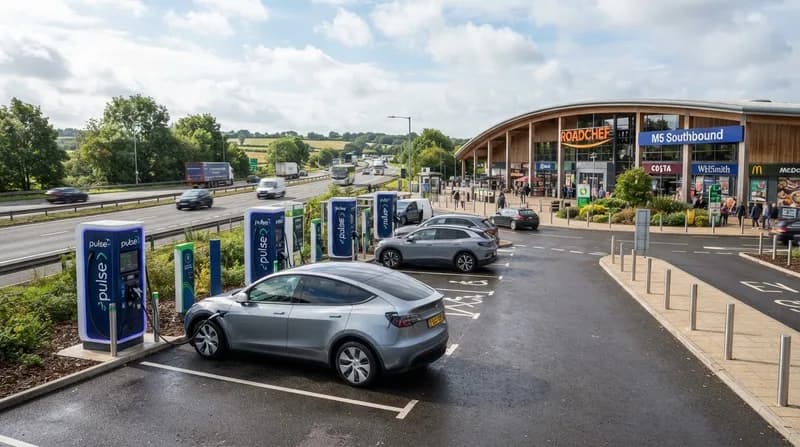
For owners who follow the industry-standard '10-to-80%' charging cycle to preserve battery health and minimize wait times, the practical highway range drops further. In such conditions, drivers can expect to travel roughly 112 miles before needing to stop at a high-speed charger. While this sounds restrictive for long-distance road trips, Jeep has addressed the inconvenience by engineering the platform to support rapid charging. The system boasts a 10-to-80% charge time of just 23 minutes, which helps mitigate the impact of frequent stops on total travel time, provided the infrastructure is available along the route.
Why It Matters
- The Specialization Penalty: The Recon is a reminder that in the world of EVs, aerodynamic drag is the single largest factor in range degradation at high speeds.
- Managing Expectations: Potential buyers should prioritize trail capability over range, as the vehicle's design architecture is optimized for torque and clearance, not highway gliding.
- Charging Efficiency: While the energy consumption is high, the 23-minute charge time ensures that owners can spend less time plugged in, provided they have access to robust 350kW DC fast-charging stations.
- Real-World Variability: The difference between city-based energy consumption (which showed efficiency closer to 2.5 miles/kWh in initial tests) and sustained highway speed performance is stark, suggesting that the Recon is a much more capable city and trail companion than a high-speed commuter.