The Fragility of the Connected World
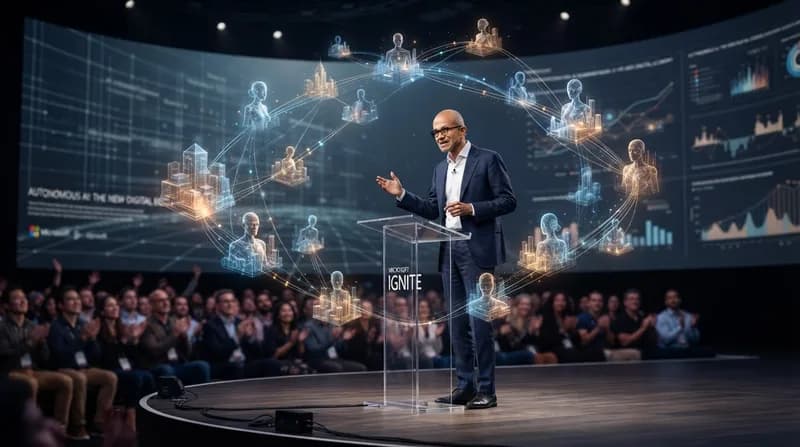
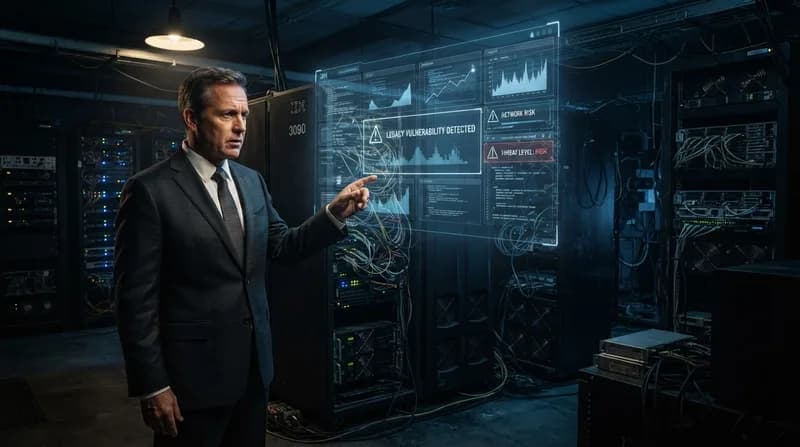
In a candid discussion at The New York Times' DealBook Summit, Microsoft CEO Satya Nadella raised a sobering alarm regarding the state of modern digital security. As industries rush to integrate artificial intelligence and connectivity into everything from data center cooling systems to public transportation, a significant portion of our critical infrastructure remains tethered to legacy firmware that is effectively impossible to patch.
Nadella noted that the 'smartification' of the global economy has inadvertently created a sprawling landscape of potential entry points for malicious actors. When these industrial-grade devices—such as HVAC controllers or specialized utility monitors—are pushed onto the internet, they become discoverable. Because their underlying software architecture often lacks the capacity for modern security updates, these systems exist in a state of perpetual vulnerability.
The Dual-Edged Sword of AI Security
The conversation highlighted a paradox in the current cybersecurity landscape: as AI becomes more powerful, it simultaneously accelerates the rate at which vulnerabilities are both discovered and weaponized. Traditionally, companies relied on a deliberate window of time to identify a bug, develop a patch, and conduct rigorous stability testing before pushing updates to production environments.
Today, that luxury has vanished. AI-driven cyberattack tools can identify and exploit weaknesses in near real-time, forcing software providers to rush fixes to market. Nadella pointed out that this breakneck pace of remediation introduces its own set of dangers, as hurried updates can inadvertently destabilize systems or create secondary technical failures. This 'perfect storm' of unpatchable hardware and rapid-fire software deployment has made the task of maintaining global infrastructure more complex than ever before.
Why It Matters
- Legacy Debt: Much of our critical infrastructure relies on hardware designed decades ago, never intended for a hyper-connected, AI-driven threat environment.
- The Speed Gap: The time between a vulnerability being discovered and its exploitation in the wild is shrinking, leaving virtually no room for manual testing.
- Systemic Instability: The necessity of pushing 'instant' patches to combat AI threats creates a risk of operational instability, as seen in recent high-profile service outages across major platforms.
A Call for Architectural Modernization
Addressing the path forward, Nadella emphasized that the industry must shift toward a more robust paradigm. This involves not only upgrading aging physical hardware but also fundamental changes to how we approach threat detection and real-time defense. The goal is to move toward a model where systems are inherently more resilient and capable of autonomous defense, reducing the reliance on constant, frantic patching cycles.
As these concerns mount, the tech sector faces the significant challenge of balancing innovation with stability. Without a concerted effort to modernize the foundational layers of our digital society, the drive toward an AI-integrated future may continue to be haunted by the technical limitations of the past.