The Cost of Modern Connectivity
The transition of automobiles from purely mechanical machines to sophisticated, software-defined platforms has ushered in an era of unprecedented convenience. However, a new report titled Closing Shop by the Public Interest Research Group (PIRG) highlights a startling downside to this digital evolution. According to the investigation, US consumers are shouldering an additional $12 billion in repair costs annually, a figure driven directly by the proprietary software tools and subscription models imposed by automotive manufacturers.
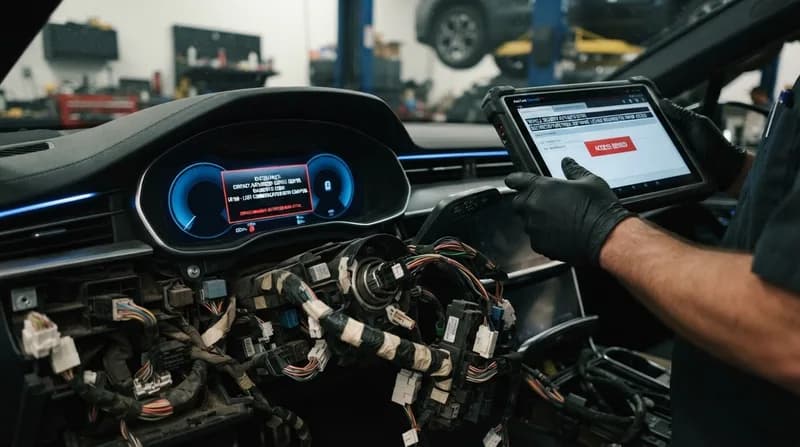
As vehicles become more complex, the days of simple mechanical maintenance are fading. Today, even routine tasks—such as releasing an electronic parking brake or diagnosing a faulty sensor—require a technician to interface with a vehicle’s onboard computer using specialized software. When manufacturers restrict access to these tools behind expensive subscriptions, independent repair shops are often left with no choice but to push customers toward authorized dealerships, where labor rates and parts costs are significantly higher.
The Multi-Billion Dollar Digital Bottleneck
The financial impact of these digital gatekeeping practices goes beyond individual repair bills; it permeates the entire automotive ecosystem. PIRG estimates that independent repair shops collectively spend roughly 83 million hours each year just navigating the administrative hurdles associated with manufacturer software—purchasing licenses, downloading updates, and managing complex login protocols. When translated into standard shop labor rates, this lost time equates to billions of dollars in lost productivity and increased overhead that is inevitably passed down to the consumer.
Why It Matters
- Insurance Inflation: Higher repair costs lead directly to larger insurance claims, contributing to auto insurance premiums rising three times faster than the general cost of living since 2012.
- The Two-Tiered System: A disparity has emerged where authorized dealerships possess full diagnostic capabilities, while independent mechanics often operate with limited or restricted data, creating an uneven competitive landscape.
- Right to Repair Advocacy: Consumer advocates are pushing for legislative action to standardize diagnostic protocols and ensure that car owners retain control over their vehicle's data, allowing them to choose their preferred repair providers.
A Call for Legislative Reform
To combat these rising costs, the report outlines a series of recommendations designed to open the automotive repair market. At the forefront is the demand for a standardized, transparent protocol that would allow independent diagnostic tools to authenticate with vehicles without requiring a proprietary "toll" paid to the manufacturer. Furthermore, advocates are calling for service manuals and basic diagnostic software to be made accessible, if not free, to ensure that the Right to Repair remains a reality for both professional mechanics and DIY enthusiasts.
The goal is to dismantle the "toll roads" currently erected between the technician and the repair. By mandating that manufacturers provide a standardized platform for accessing telematics and repair information, policymakers could foster a more competitive, efficient, and affordable service industry. Without these interventions, the report warns, the gap between the cost of vehicle ownership and the ability to maintain those vehicles will only continue to widen, placing an increasingly heavy burden on the American driver.