The landscape of open-source artificial intelligence is shifting rapidly from static images to dynamic video generation. As of early 2025, the Diffusers library has become the central hub for deploying and fine-tuning these complex models, providing a standardized framework for developers to experiment with motion synthesis.
Standardizing Video Pipelines
Integration within the Diffusers ecosystem allows for a unified approach to video generation. By leveraging common schedulers and pipeline structures, researchers can more easily implement state-of-the-art architectures such as Sora-inspired diffusion transformers and temporal consistency layers. This standardization is crucial for reducing the barrier to entry for creators and developers alike.
Hardware and Optimization
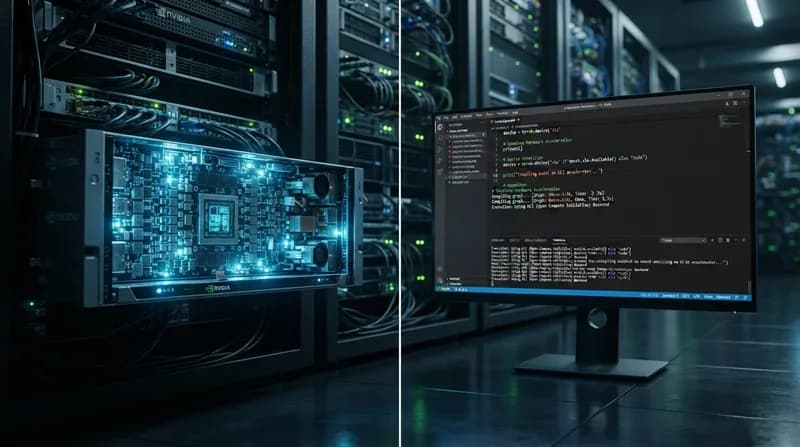
One of the primary challenges addressed in the current state of open video models is memory efficiency. Techniques like VAE tiling, CPU offloading, and float16 precision are being natively integrated to allow high-quality video generation on consumer-grade hardware. This move toward optimization ensures that the power of video AI is not restricted to industrial-scale data centers.