The Price of Progress
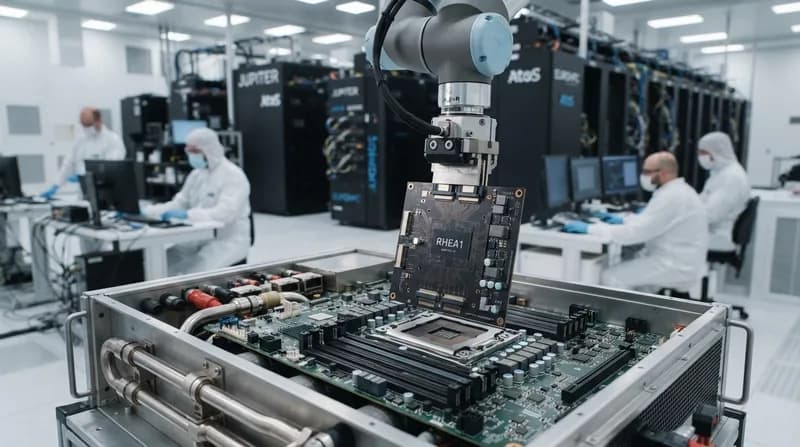
The relentless global race to build massive artificial intelligence data centers is beginning to take a visible toll on the consumer hardware landscape. According to fresh projections from Counterpoint Research, the sub-$200 smartphone category is braced for a significant contraction, with annual shipments expected to drop by nearly 40% by 2030. This shift represents a loss of roughly 230 million entry-level devices per year, fundamentally altering the way the world accesses mobile technology.
The catalyst for this change is a classic supply-chain bottleneck. As tech giants funnel massive capital into AI-optimized chips, the production priority for essential components like DRAM and NAND flash memory has shifted. Because budget-tier smartphones operate on razor-thin profit margins, manufacturers lack the financial buffer to absorb the surging costs of these high-demand components. Consequently, many OEMs are choosing to abandon the low-cost segment entirely in favor of higher-margin, premium, and mid-range hardware.
The Shift to Mid-Range Dominance
As the bottom tier of the market thins out, the mid-range segment is set to become the industry's most fiercely contested battleground. By 2030, analysts expect manufacturers to consolidate their marketing and research investments toward devices that offer a balance of performance and long-term durability. In this new landscape, differentiation will no longer come from rock-bottom pricing, but rather from tangible improvements in camera fidelity, build quality, and battery longevity.
This consolidation is expected to benefit industry titans like Apple, Samsung, and Huawei. Samsung’s diverse portfolio strategy and established manufacturing capacity give it a unique advantage in navigating these volatile market conditions. Meanwhile, Apple remains the definitive leader in capturing the premium market’s value, and Huawei’s resurgence in the Chinese market via foldable and flagship technology underscores the trend toward high-end preference. Ultimately, the industry is moving toward a structure that favors higher value over massive unit volume.
Why it Matters
- Digital Divide Concerns: The shrinking availability of affordable hardware could create barriers to internet access for lower-income populations, particularly in developing economies.
- Market Behavior Changes: As new budget phones become scarce, consumers will likely extend the lifespans of current devices or rely more heavily on the secondary refurbished and used phone markets.
- Memory Shortages: The ripple effects of AI demand are not limited to phones; laptops and Chromebooks are also experiencing record-high pricing as memory manufacturers prioritize components for server-grade hardware.
The long-term implication is a permanently altered consumer electronics market. While the total number of smartphones sold globally may eventually recover to pre-decline volumes, the entry-level tier will likely never regain its former size or influence. The era of the ultra-affordable, new-in-box smartphone is being squeezed out by the insatiable, high-cost demands of the AI infrastructure boom.