The Evolution of Autonomous Mobility
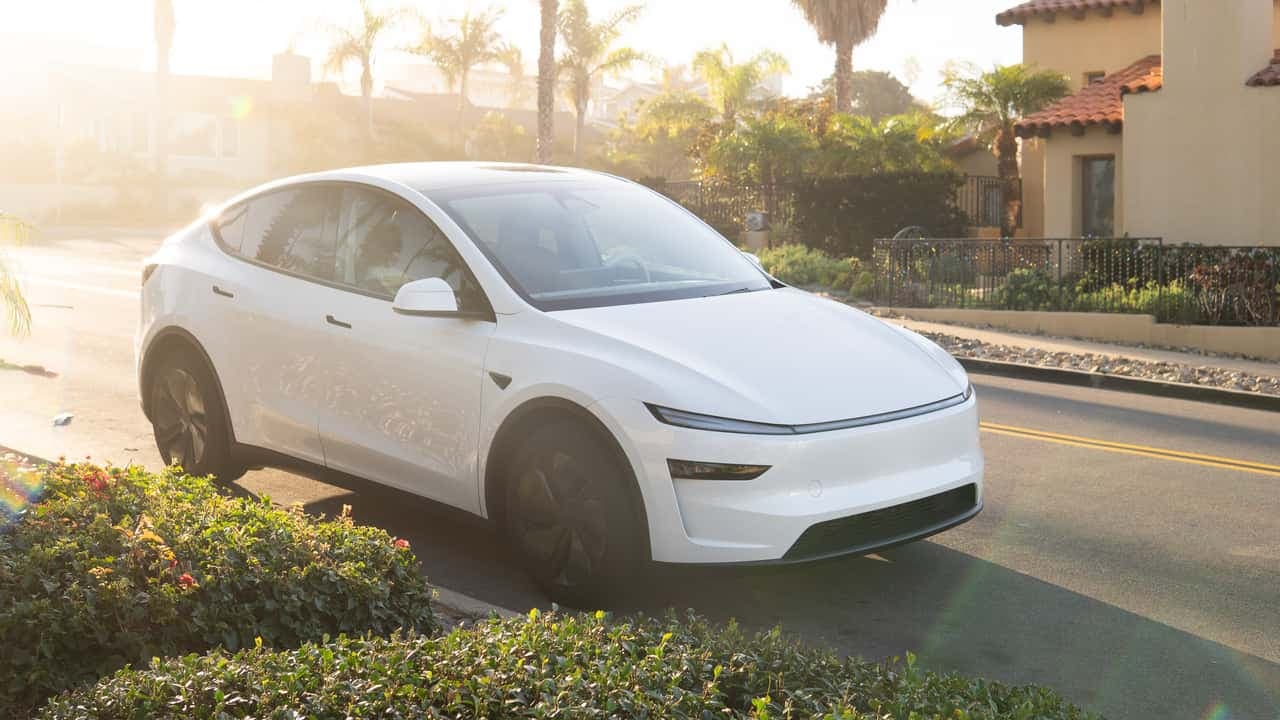
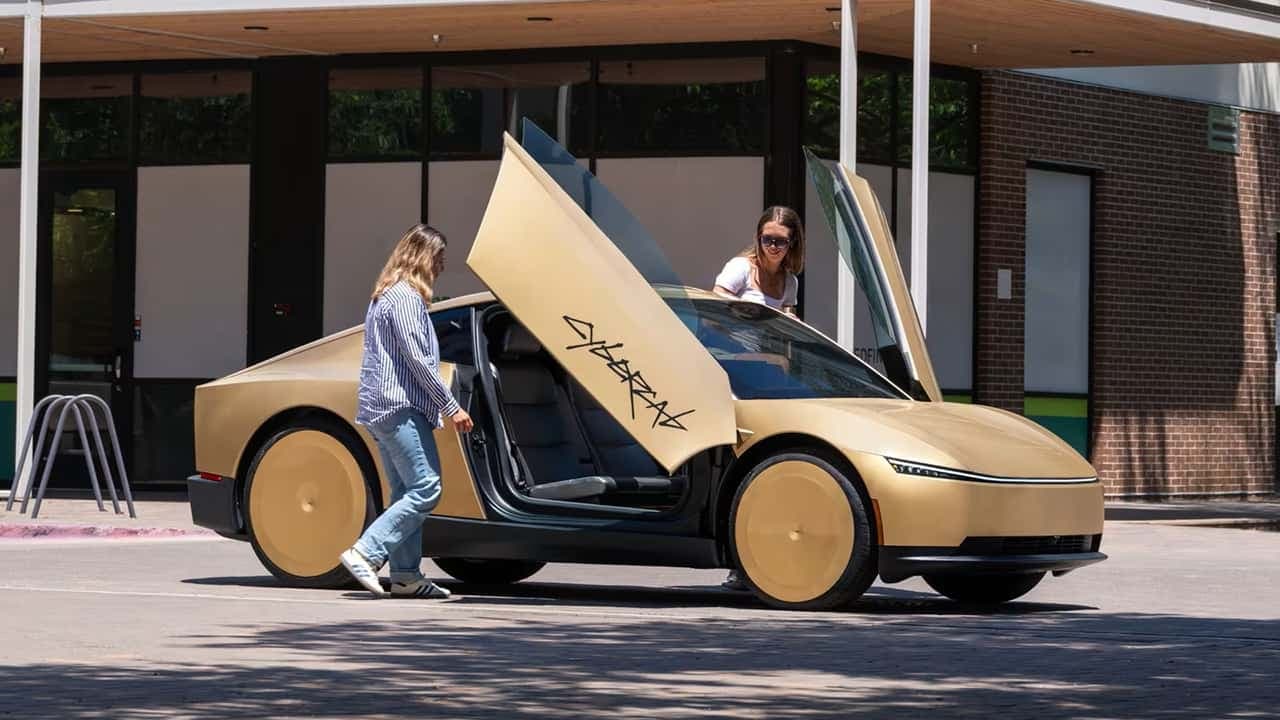
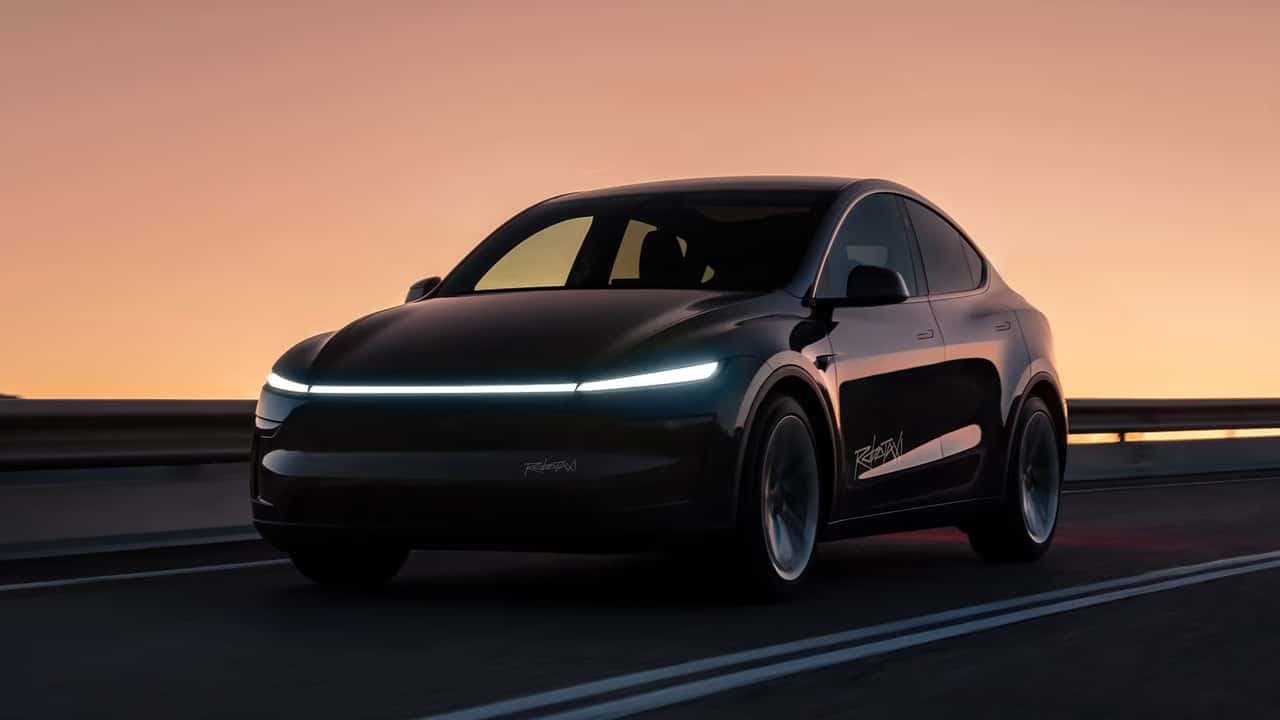
Tesla is significantly expanding its vision for a driverless future. While the company has previously leaned heavily into the compact, two-seat Cybercab as the primary vehicle for its robotaxi fleet, CEO Elon Musk recently confirmed that Tesla is developing a fully autonomous version of the Model Y. This iteration will be stripped of its steering wheel and pedal assembly, signaling a shift toward dedicated autonomous platforms that cater to larger passenger groups.
The strategic rationale behind this move is based on real-world transit data. Musk noted that while the two-seat Cybercab is projected to handle approximately 90% of passenger miles, a gap remains for families and larger groups. By re-engineering the proven Model Y platform for total autonomy, Tesla aims to address the remaining 10% of transit needs, providing a vehicle capable of comfortably seating six or seven people without requiring a human driver behind the wheel.
Why the Model Y Platform Matters
The decision to utilize the Model Y for this project is a logical progression in Tesla's product ecosystem. The Model Y is already a staple in Tesla's current testing and fleet initiatives, proving itself as a versatile, high-volume platform. By removing the traditional driver interface, the company plans to maximize cabin utility, potentially reconfiguring the interior to better serve passengers who are now occupants rather than operators.
- Expanded Capacity: Specifically designed to accommodate six to seven passengers, filling the market void left by the compact Cybercab.
- Control-Free Design: Similar to the Cybercab, this variant will launch without a steering wheel or pedals, relying entirely on advanced autonomous navigation.
- Fleet Scalability: The platform is aimed at optimizing managed fleet operations, providing a familiar and reliable footprint for urban transport services.
- Safety Focus: By eliminating human input, the vehicle is intended to function exclusively as an autonomous unit within Tesla’s established FSD (Full Self-Driving) ecosystem.
The Broader Strategy
This announcement highlights a dual-track approach at Tesla. While the company continues to maintain its standard, human-driven Model Y for retail consumers, it is simultaneously building a parallel infrastructure for autonomous-only transport. This strategy mirrors the approach taken with the Cybercab, where hardware simplification—removing the steering column and pedals—is intended to lower manufacturing complexity and costs.
However, questions remain regarding the timeline for such a vehicle. The Cybercab has only recently opened to select private buyers under strict operating constraints and mandatory autonomy subscriptions. An autonomous Model Y would face similar regulatory and operational hurdles. Whether this vehicle will be sold as a private asset to fleet operators or kept exclusively within a Tesla-managed network remains to be seen. As Tesla continues to iterate on its hardware, the transition from driver-assist technologies to completely driverless architecture represents one of the most ambitious transitions in modern automotive manufacturing.