Strategic Capital for the AI Era
In a significant move that underscores the escalating arms race in artificial intelligence, Chinese technology conglomerate Tencent has initiated a massive $5 billion bond sale. This substantial injection of capital is earmarked to fuel the company’s ambitious expansion into AI research, development, and infrastructure. As global tech leaders vie for dominance in the generative AI landscape, Tencent is positioning itself to maintain a competitive edge by securing the necessary financial runway to sustain high-cost development cycles.
The bond offering comes at a time when the cost of training sophisticated foundation models—requiring massive clusters of GPUs and specialized power infrastructure—continues to skyrocket. By opting for a large-scale bond issuance, Tencent is effectively leveraging its strong balance sheet to capitalize on current market conditions, ensuring that its AI projects remain well-funded even as industry-wide expenditure on computational resources reaches record levels.
Why It Matters
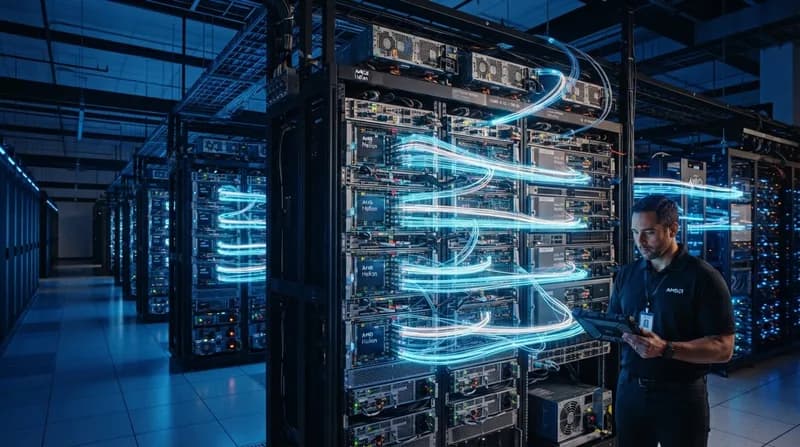
- Scaling Infrastructure: The proceeds will likely go toward purchasing high-end hardware, such as advanced GPUs, which are essential for training next-generation LLMs (Large Language Models).
- R&D Acceleration: This funding will support talent acquisition and the accelerated development of AI agents, which represent the next frontier in consumer and enterprise software interaction.
- Industry Positioning: As one of the world's leading gaming and social media companies, Tencent is leveraging its massive user base to integrate AI features, aiming to transform its existing platforms into intelligent, data-driven ecosystems.
Strategic Implications for Tencent's Roadmap
The decision to raise $5 billion signals a shift in strategy toward aggressive investment rather than cautious organic growth. For Tencent, the challenge lies not just in developing proprietary models, but in the seamless integration of these technologies into its vast array of services—including WeChat, cloud computing divisions, and its gaming portfolio. This capital infusion provides the necessary cushion to navigate the volatility of the current tech market while keeping pace with competitors both domestically and internationally.
Looking ahead, the market will be watching closely to see how effectively these funds translate into tangible product releases. Given the capital-intensive nature of AI, this move is a clear indicator that Tencent considers the current era of artificial intelligence to be a make-or-break period for long-term growth. By betting $5 billion on its own technological trajectory, the company is doubling down on its vision of an AI-first future, positioning its infrastructure and software platforms to dominate the next decade of digital interaction.