ScienceTechnical Deep Dive

Sweet Tooth May Influence Decision Making, Study Finds

Published
EElectricBuzz Editorial Team
Sweet Tooth May Influence Decision Making, Study Finds
1 min read119 wordsElectricBuzz Editorial Team

The Gist

“A recent study reveals that individuals with a sweet tooth tend to make impulsive choices, driven by a desire to manage risk and avoid uncertainty rather than impatience. This behavior is characterized by a preference for smaller, immediate rewards over larger, delayed ones, unless both options involve a delay.”

A fascinating study published in Frontiers in Psychology has shed light on the relationship between having a sweet tooth and decision-making patterns. The research indicates that people who prefer sweets are more inclined to make impulsive choices, but this impulsivity stems from a desire to mitigate risk and uncertainty, rather than mere impatience.

Key Insights

The study's findings highlight that individuals with a preference for sweets tend to opt for smaller, immediate rewards over larger rewards that are delayed. However, an interesting nuance emerges when both reward options are delayed, suggesting a more complex decision-making process at play. These insights offer a unique perspective on how preferences, such as a sweet tooth, can influence decision-making behaviors in unexpected ways.

SPONSORED
The 5 Best Over-Ear ANC Headphones of 2026, Tested & Ranked
Editor's Pick Guide
92/100
Tech & Gadgets•12 min read

The 5 Best Over-Ear ANC Headphones of 2026, Tested & Ranked

We locked five over-ear ANC picks for 2026 — Sony WH-1000XM6, Bose QuietComfort Ultra 2, Soundcore Space One, Sennheiser Momentum 5, and Apple AirPods Max 2 — then stress-tested them on lab metrics, long-term owner truth, and live street prices.

Related Stories

Semantically matched articles, ranked by topic overlap and freshness.

Hidden Interactions: How Common Sweeteners May Alter Your Gut Microbiome
Science

Hidden Interactions: How Common Sweeteners May Alter Your Gut Microbiome

New research from the University of Cambridge reveals that sweeteners can disrupt gut bacteria, with some combinations—especially those involving common medications—producing significant microbial shifts.

Could a Soy-Derived Compound Be the Future of Salt-Defense Nutrition?
Science

Could a Soy-Derived Compound Be the Future of Salt-Defense Nutrition?

Japanese researchers have identified a soy-derived compound, LPC70, that mitigates the damaging effects of high-salt diets on both blood pressure and cognitive health in mice.

Biological Breakthrough: Why Male and Female Skin Repair Differently
Science

Biological Breakthrough: Why Male and Female Skin Repair Differently

New research reveals that sex hormones dictate how skin stem cells synchronize, potentially unlocking new pathways for faster wound healing and cancer treatment.

Surgical Sustainability: How Greener Anesthesia Practices are Cutting Hospital Emissions
Science

Surgical Sustainability: How Greener Anesthesia Practices are Cutting Hospital Emissions

A landmark study reveals that hospitals can significantly slash their carbon footprint and operating costs by optimizing anesthesia protocols without sacrificing patient safety.

Deciphering the Decade-Long Prelude to Inflammatory Bowel Disease
Science

Deciphering the Decade-Long Prelude to Inflammatory Bowel Disease

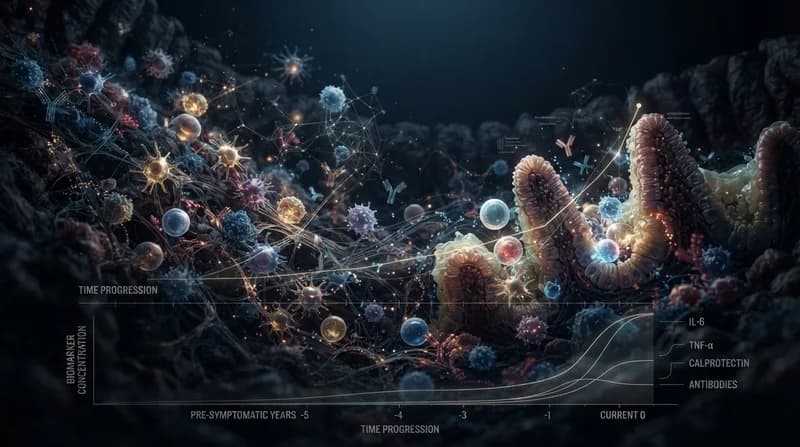
A groundbreaking study reveals that distinct immune system signatures can predict the onset of Crohn's disease and ulcerative colitis up to a decade before clinical diagnosis.

Mapping the Mind: New Breakthroughs in Precision Depression Treatment
Science

Mapping the Mind: New Breakthroughs in Precision Depression Treatment

Researchers at Mount Sinai have identified three specific white matter pathways that hold the key to lasting relief in treatment-resistant depression via deep brain stimulation.

New Clinical Trial Validates Exercise as a Drug-Free Tool for Spinal Cord Injury Pain
Science

New Clinical Trial Validates Exercise as a Drug-Free Tool for Spinal Cord Injury Pain

A landmark study from the University of British Columbia reveals that personalized exercise programs can significantly mitigate chronic pain for individuals with spinal cord injuries.

Psychedelic Breakthrough: Magic Mushroom Compound Mutes Aggression in Fish
Science

Psychedelic Breakthrough: Magic Mushroom Compound Mutes Aggression in Fish

A groundbreaking study reveals that psilocybin can selectively dampen aggressive behaviors in fish, offering new biological insights into how the compound affects social regulation.