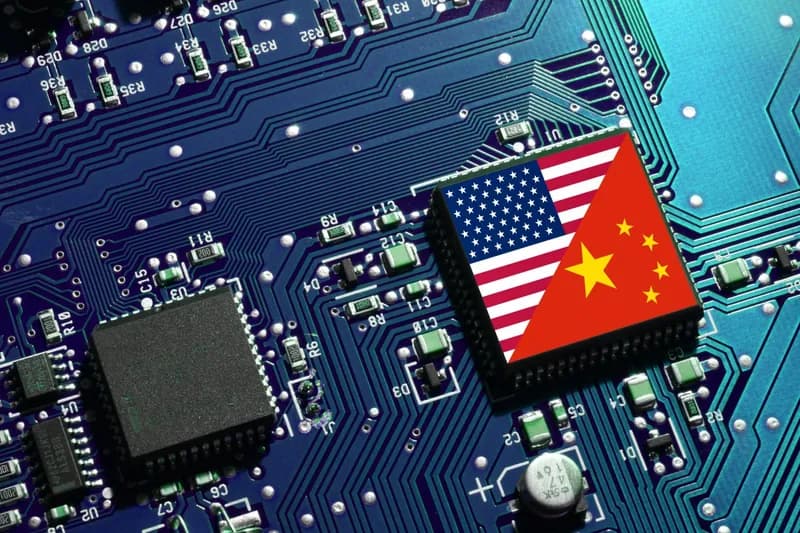
The competitive landscape of global artificial intelligence is undergoing a significant psychological shift. For years, the narrative surrounding the AI 'arms race' between the United States and China was defined by urgent concern and a sense of impending technological parity that threatened Western dominance.
From Panic to Pragmatism
Recent developments suggest that the initial alarm regarding Chinese AI capabilities has evolved into a more measured, and perhaps skeptical, outlook. While Chinese firms continue to release powerful large language models and sophisticated algorithms, the collective reaction from the international tech community has shifted from widespread panic to a metaphorical shrug.
Several factors contribute to this change in perspective. Industry analysts point to the persistent challenges Chinese developers face, including restricted access to high-end hardware due to export controls and the unique regulatory environment within China that shapes model training and deployment. Furthermore, as AI integration becomes a global standard, the mere existence of a high-performing model is no longer seen as a disruptive anomaly, but rather as an expected milestone in a crowded market.