The Resurrection of a GUI Icon
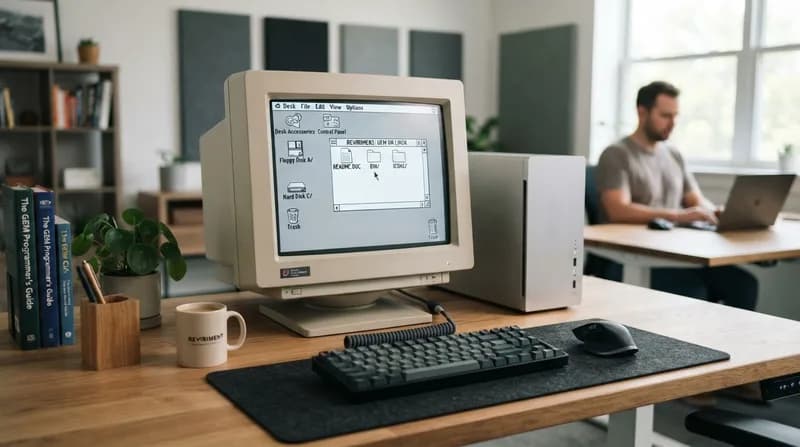
In a fascinating intersection of modern open-source ingenuity and 1980s computing history, developer Tomaž Štih has successfully brought Digital Research’s GEM (Graphical Environment Manager) to the Linux platform. Originally recognized as one of the first viable graphical user interfaces for MS-DOS, GEM gained widespread fame as the standard interface for the Atari ST and the popular Amstrad PC1512 and PC1640 series. By leveraging the source code released by Caldera in 1999, Štih has breathed new life into an interface that helped define the early era of consumer personal computing.
This implementation, dubbed GEM for Linux, is not merely a static emulation. It is derived from the long-standing FreeGEM and OpenGEM community projects, which spent years stabilizing and restoring features—such as overlapping windows and desktop drive icons—that were famously stripped from the original PC release due to legal pressure from Apple. The current iteration serves as a bridge between the past and present, offering a glimpse at how vintage interface paradigms handle modern system resources.
Technical Architecture and Execution
The core of the project relies on a clever display strategy that sidesteps the complexity of modern display server wars. GEM for Linux functions by sharing a display server that can output directly through the Linux framebuffer. For those who prefer to keep their host desktop intact, Štih has integrated an SDL2-based framebuffer emulator called Rasta, allowing the vintage desktop to run comfortably within a windowed environment.
Despite its retro aesthetic, the project eschews the current "vibe coding" trend prevalent in modern AI-assisted development. Štih has emphasized an architecture-driven design process, viewing artificial intelligence only as a tool for junior-level tasks while maintaining strict human control over the structural integrity and codebase quality. This methodical approach ensures that while the software is a blast from the past, the underlying execution is stable and optimized for contemporary hardware.
Why It Matters
- Preservation of Computing History: By porting GEM to Linux, the project ensures that classic interface logic remains accessible and functional on modern kernel versions.
- Architecture Independence: The use of an SDL2-based emulator makes the interface highly portable across various Linux distributions and hardware configurations.
- Community Continuity: This effort stands alongside initiatives like EmuTOS, proving that there is a persistent, vibrant ecosystem dedicated to maintaining and evolving classic graphical environments.
Outlook: Beyond the Desktop
While GEM is unlikely to unseat modern display protocols like Wayland, the project demonstrates a sophisticated understanding of legacy system design. Historically, the GEM ecosystem evolved to include multitasking capabilities through third-party efforts like FreeMiNT and MagiC. With the source code now optimized for Linux, the project opens doors for enthusiasts to continue iterating on these classic concepts. Whether it remains a nostalgic curiosity or evolves into a specialized lightweight environment, the return of GEM is a poignant reminder of the modularity and enduring value of open-source software heritage.