Beyond the Hallucinogenic Blanket
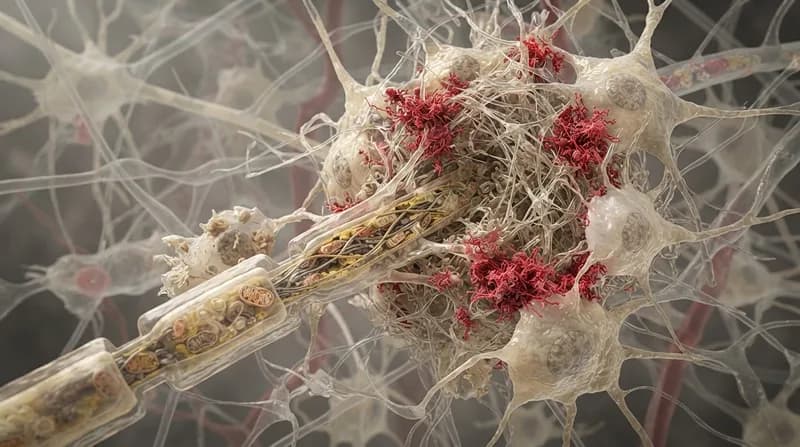
For years, the burgeoning field of psychedelic-assisted therapy has often treated various hallucinogenic compounds as a monolithic group. Whether it is psilocybin, LSD, or synthetic variants, these substances are frequently lumped together under the same pharmacological umbrella. However, groundbreaking new research from the University of Southern Denmark suggests that this simplification may be masking critical biological realities. By mapping brain activity through detailed scans, scientists have identified that each of these substances leaves a unique, distinct fingerprint on the brain—one that persists long after the acute effects have worn off.
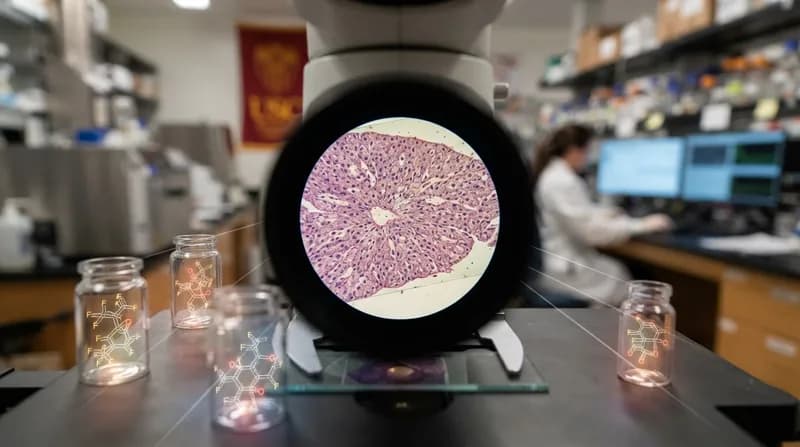
The study, published in Nature Communications, utilized advanced PET scanning techniques on rat models to observe how specific neural networks responded to three different substances: LSD, psilocybin, and 2C-B. The findings indicate that these drugs do not merely trigger a generalized 'psychedelic' state; instead, they selectively activate and interact with entirely different regions and circuits within the brain. This realization could be the catalyst needed to move away from general experimentation and toward a more precise, target-driven model of neuropsychiatric treatment.
The Unique Neurobiological Footprints
The research team focused on two critical timeframes: the period during which the drugs were active in the system and a follow-up assessment one week later. The results highlight that the divergence between these substances is significant and quantifiable.
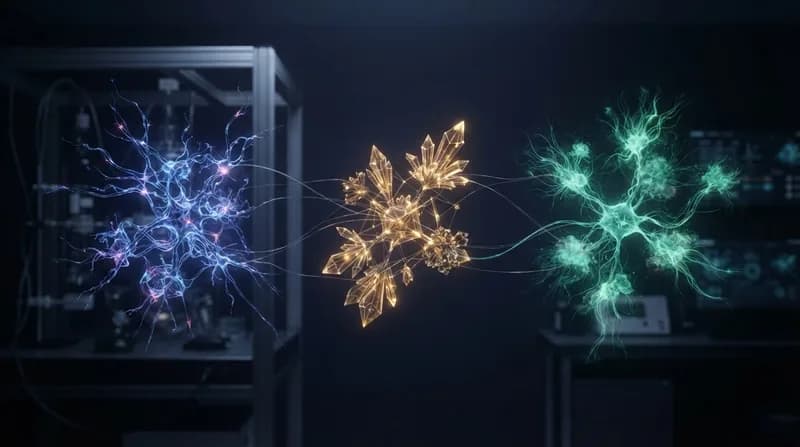
2C-B, a synthetic psychedelic, was found to primarily exert influence over the brain's reward-processing centers. In contrast, LSD showed a strong affinity for areas associated with habit formation and motivation. Psilocybin, arguably the most famous of the trio, stood out for its profound interaction with regions involved in emotional regulation. Most intriguingly, these distinct activity patterns were not confined to the duration of the drug’s intoxication. The research team successfully detected lingering 'traces' of these specific network shifts a full seven days after administration, suggesting that the neurological impact of these compounds is more structural and lasting than previously understood.
Implications for Personalized Mental Health
The implications of this study are profound for the future of clinical medicine. If individual psychedelics affect specific, localized networks—such as those linked to reward or emotion—it is highly probable that they are better suited for treating specific psychiatric conditions rather than being used interchangeably.
For example, a drug that heavily impacts the brain's reward circuitry might be uniquely positioned to treat substance use disorders or anhedonia, while one that targets emotional processing centers could prove superior for patients struggling with treatment-resistant depression or PTSD. This research provides a biological roadmap for investigators to begin tailoring psychedelic medicine to the specific neurochemistry of individual patients and their respective disorders.
While these findings represent a massive leap in our understanding of psychopharmacology, the research team remains cautious. These trials were conducted in controlled laboratory settings using rats. The next logical step is to determine whether these distinct 'fingerprints' manifest similarly in the human brain. If validated in human clinical trials, this data will likely transform how researchers approach the development of the next generation of mental health therapeutics, ushering in an era of precision psychiatry where the choice of drug is as specific as the diagnosis itself.