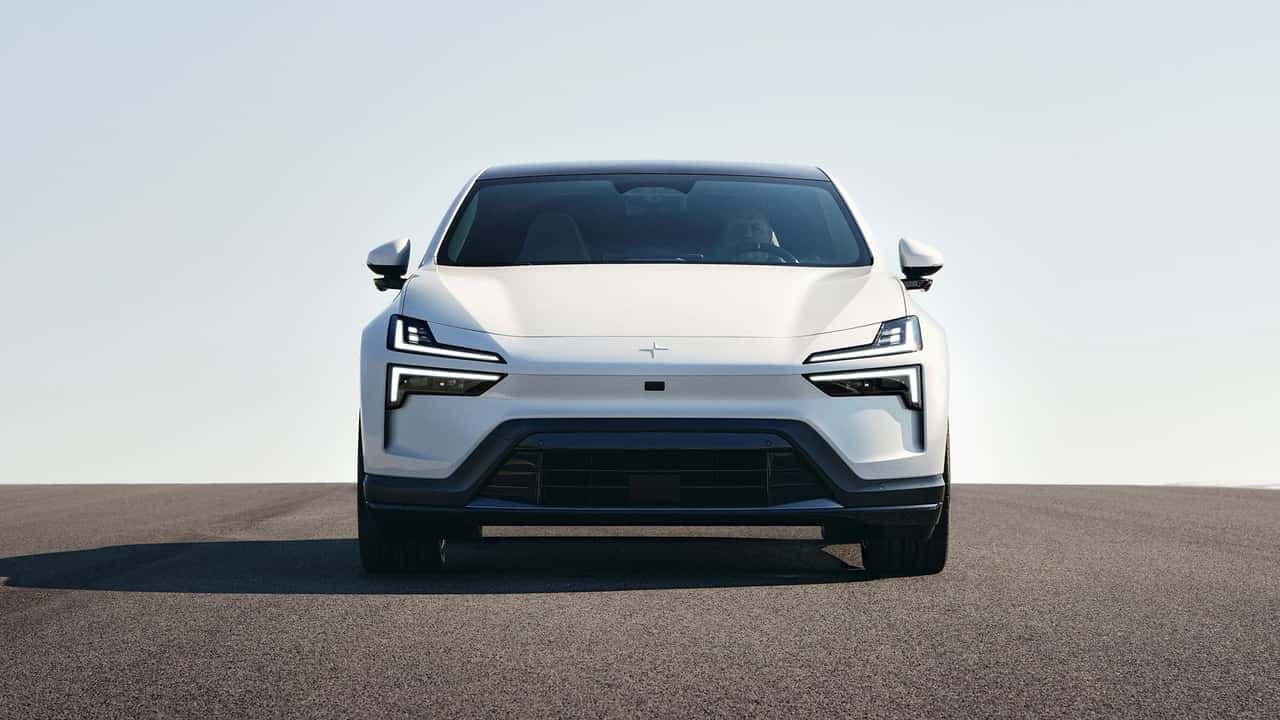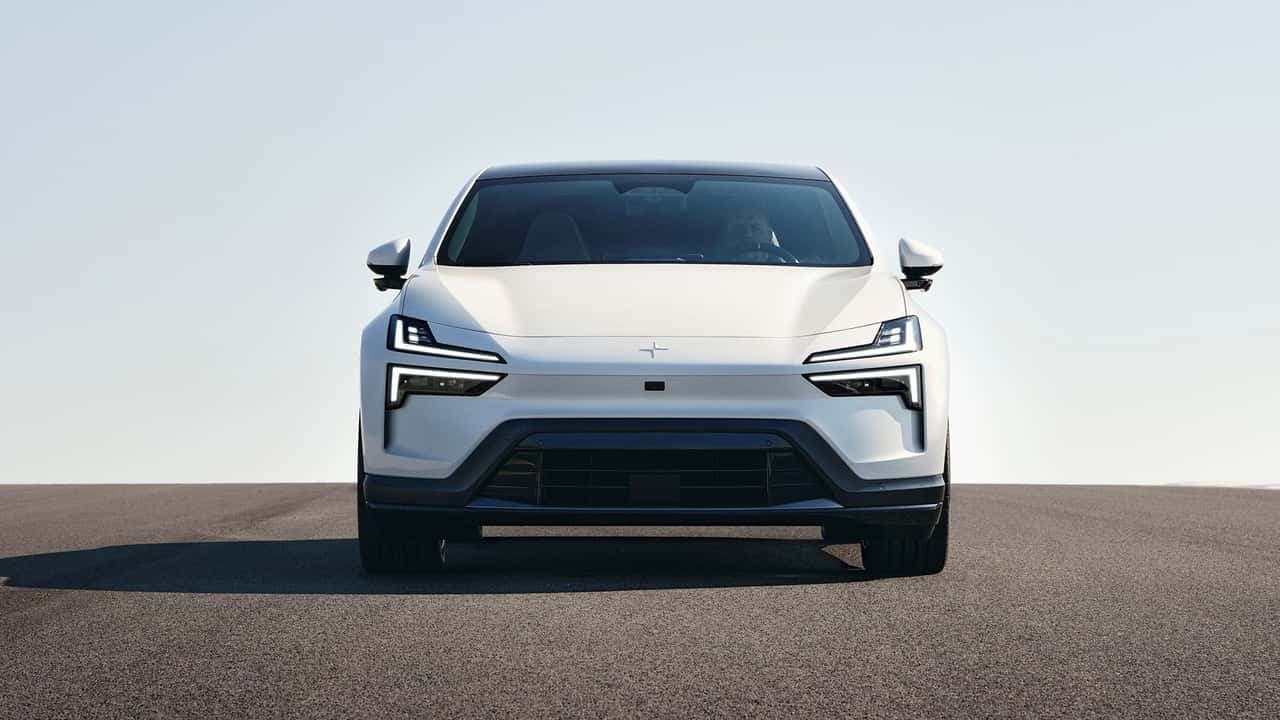
Polestar, the Swedish electric vehicle manufacturer, has been barred from selling its cars in the U.S. beginning with the 2027 model year. The U.S. Department of Commerce cited national security risks linked to Chinese technology as the reason for this decision. This ban underscores the sensitive dynamics surrounding automotive technology and geopolitical considerations.
Despite claims that its vehicles are mechanically identical to those of its parent company, Volvo—specifically the Polestar 3 SUV and Volvo's EX90, the latter of which has received U.S. sale authorization—Polestar has opted not to appeal the ruling. Instead, the company is redirecting its attention toward the European market, which accounts for 80% of its global sales.
Key Facts
- The U.S. Department of Commerce has implemented a ban preventing Polestar from selling vehicles in the U.S. starting with the 2027 model year.
- National security concerns regarding Chinese technology were cited as the primary reason for the ban.
- Polestar asserts the mechanical similarities between its models and Volvo's authorized vehicles.
- The company has chosen not to appeal the ban.
- To mitigate losses, Polestar is offering discounts of up to $25,000 on its Polestar 4 and 3 models.
- A New Jersey dealer has initiated a lawsuit claiming Polestar planned its U.S. exit ahead of the government ruling.
Polestar's decision to provide substantial discounts demonstrates a tactical move to clear inventory as the company prepares for its exit from the American market. These financial incentives may appeal to potential buyers but indicate a nuanced strategy amid regulatory challenges.
As Polestar navigates this difficult landscape, it will likely focus on expanding its European presence, where it has established a strong foothold. The shift could impact not only sales projections but also brand perception as Polestar transitions from potential market leader to strategic pivot due to regulatory challenges.