ScienceTechnical Deep Dive

Newly Discovered Moons Reveal Outer Solar System’s Chaotic Past

Published
EElectricBuzz Editorial Team
Newly Discovered Moons Reveal Outer Solar System’s Chaotic Past
1 min read63 wordsElectricBuzz Editorial Team

The Gist

“Hundreds of small moons with irregular orbits in the outer solar system point to a history of violent collisions and disruptions, shedding light on the formation of Saturn’s rings.”

Recent discoveries of numerous tiny moons orbiting the outer solar system have unveiled a turbulent past marked by violent events. These moons exhibit irregular, chaotic orbits that suggest frequent collisions or gravitational disturbances.

Their unusual trajectories provide new clues into the evolution of the outer solar system and contribute to a better understanding of phenomena such as the origin of Saturn's iconic rings.


SPONSORED
The 5 Best Over-Ear ANC Headphones of 2026, Tested & Ranked
Editor's Pick Guide
92/100
Tech & Gadgets•12 min read

The 5 Best Over-Ear ANC Headphones of 2026, Tested & Ranked

We locked five over-ear ANC picks for 2026 — Sony WH-1000XM6, Bose QuietComfort Ultra 2, Soundcore Space One, Sennheiser Momentum 5, and Apple AirPods Max 2 — then stress-tested them on lab metrics, long-term owner truth, and live street prices.

Related Stories

Semantically matched articles, ranked by topic overlap and freshness.

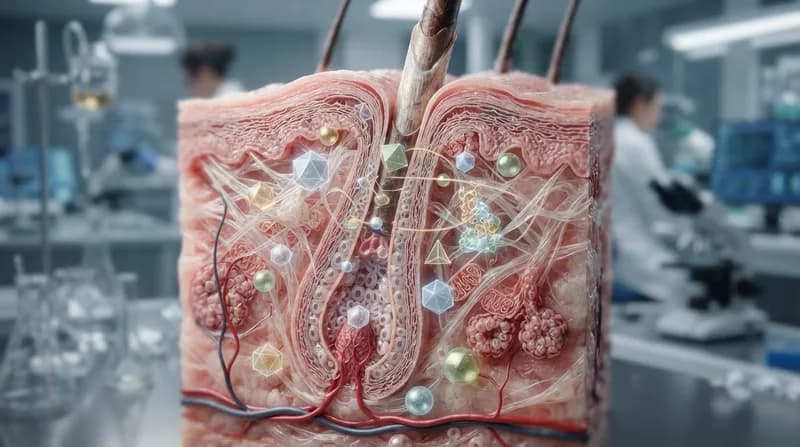
Unlocking Nature’s Blueprint: How Simple Chemistry Dictates Hair Growth
Science

Unlocking Nature’s Blueprint: How Simple Chemistry Dictates Hair Growth

Researchers at the University of Geneva have discovered that complex hair follicle patterns arise from simple cellular signaling, potentially overturning decades of biological theory.

Unlocking the Mystery of Persistent Heart Disease Risks
Science

Unlocking the Mystery of Persistent Heart Disease Risks

New research from Chalmers University of Technology reveals why some patients remain at risk for heart attacks even when bad cholesterol levels are managed.

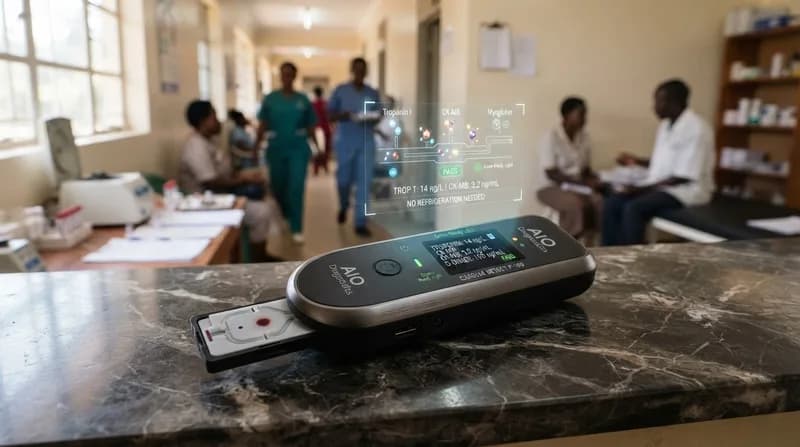
A Breakthrough in Diagnostics: Synthetic Probe Detects Heart Disease Without Cold Storage
Science

A Breakthrough in Diagnostics: Synthetic Probe Detects Heart Disease Without Cold Storage

Researchers have developed a robust, antibody-free diagnostic tool that identifies inflammatory heart disease biomarkers, potentially transforming point-of-care testing in underserved regions.

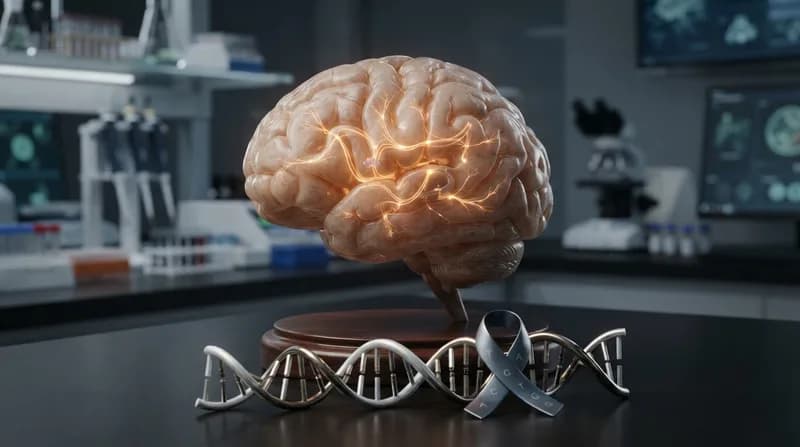
Could the 'Christchurch Mutation' Be the Key to Unlocking Parkinson's Treatments?
Science

Could the 'Christchurch Mutation' Be the Key to Unlocking Parkinson's Treatments?

New research suggests a rare genetic mutation previously linked to Alzheimer's resistance may also shield the brain from Parkinson's disease, opening doors for revolutionary gene therapies.

New Study Flags Potential Heart Risks in Energy Drinks and Stimulant Supplements
Science

New Study Flags Potential Heart Risks in Energy Drinks and Stimulant Supplements

Researchers have identified a significant spike in cardiac-related safety reports linked to high-caffeine energy drinks, particularly among younger demographics.

One Year on Mars: NASA’s CHAPEA Crew Completes Historic Isolation Mission
Science

One Year on Mars: NASA’s CHAPEA Crew Completes Historic Isolation Mission

Four NASA volunteers have concluded a year-long simulated Mars mission, providing critical data on human resilience and resource management for future deep-space exploration.

Prehistoric Giant: Fossil Discovery Reveals 66-Pound Rodent from 34 Million Years Ago
Science

Prehistoric Giant: Fossil Discovery Reveals 66-Pound Rodent from 34 Million Years Ago

Paleontologists have unearthed evidence of a massive ancient rodent in Thailand, challenging existing theories on the timeline and geography of rodent gigantism.

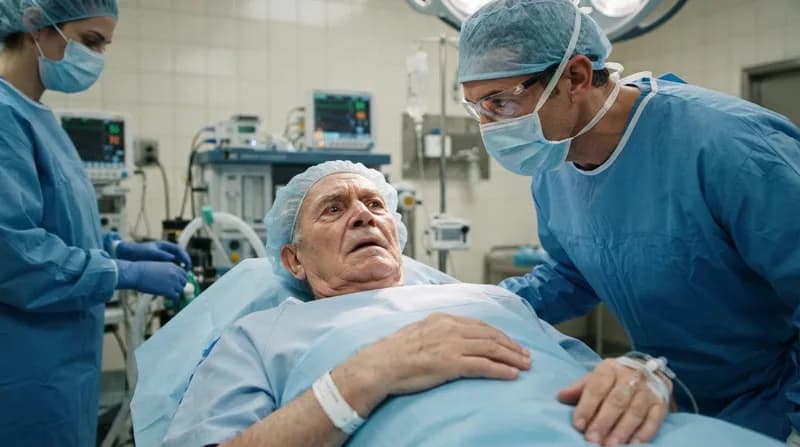
New Surgical Protocol: Skipping Morning Blood Pressure Medication Reduces Intraoperative Risks
Science

New Surgical Protocol: Skipping Morning Blood Pressure Medication Reduces Intraoperative Risks

A major clinical trial reveals that withholding ACE inhibitors and ARBs on the day of noncardiac surgery significantly lowers the risk of dangerous intraoperative hypotension in older patients.