ScienceTechnical Deep Dive

New Fossil Evidence Challenges Early Vertebrate Development Theories

Published
EElectricBuzz Editorial Team
New Fossil Evidence Challenges Early Vertebrate Development Theories
1 min read60 wordsElectricBuzz Editorial Team

The Gist

“Fossils reveal that early vertebrate ancestors lacked larval stages with external gills, challenging existing views on water-to-land evolution.”

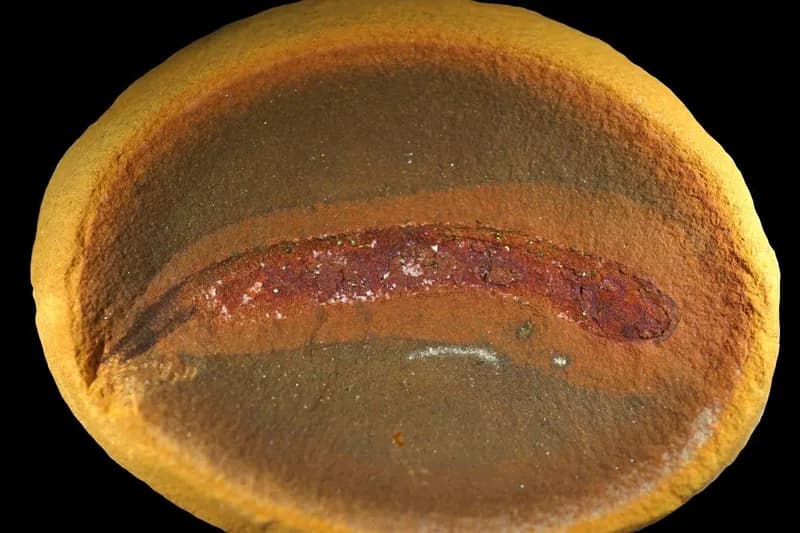
Palaeontologists have uncovered fossils showing that early ancestors of amphibians, reptiles, and mammals did not have a larval stage with external gills like modern frogs or salamanders. This discovery overturns previous assumptions based on current amphibian development patterns.

The findings provide new insights into how animals transitioned from aquatic to terrestrial environments, rewriting a key aspect of vertebrate evolutionary history.

SPONSORED
The 5 Best Over-Ear ANC Headphones of 2026, Tested & Ranked
Editor's Pick Guide
92/100
Tech & Gadgets•12 min read

The 5 Best Over-Ear ANC Headphones of 2026, Tested & Ranked

We locked five over-ear ANC picks for 2026 — Sony WH-1000XM6, Bose QuietComfort Ultra 2, Soundcore Space One, Sennheiser Momentum 5, and Apple AirPods Max 2 — then stress-tested them on lab metrics, long-term owner truth, and live street prices.

Related Stories

Semantically matched articles, ranked by topic overlap and freshness.

A 245-Million-Year-Old Snapshot: Fossil Reveals Earliest Known Reptilian Digestive System
Science

A 245-Million-Year-Old Snapshot: Fossil Reveals Earliest Known Reptilian Digestive System

Paleontologists have uncovered an exceptionally preserved Triassic marine reptile that defies evolutionary expectations by keeping its internal organs intact for over two centuries of millions of years.

Acoustic Predators: New Study Reveals Sharks Pinpoint Sounds from 250 Feet Away
Science

Acoustic Predators: New Study Reveals Sharks Pinpoint Sounds from 250 Feet Away

Groundbreaking research from Florida Atlantic University proves blacktip sharks can detect and navigate away from low-frequency sounds at significant distances, revealing a sophisticated sensory world beneath the waves.

Global Life Expectancy Rebounds: WHO Reports Near Pre-Pandemic Levels
Science

Global Life Expectancy Rebounds: WHO Reports Near Pre-Pandemic Levels

A new WHO report reveals that while global life expectancy has nearly recovered to 2019 levels, the quality of healthy life years remains a critical challenge for global health systems.

Mapping the Brain’s Biological Clock: How Disorders Leave Unique Aging Signatures
Science

Mapping the Brain’s Biological Clock: How Disorders Leave Unique Aging Signatures

A groundbreaking MRI study reveals that various neurological and psychiatric conditions accelerate brain aging in distinct, localized patterns, potentially paving the way for new diagnostic biomarkers.

Cosmic Gatekeepers: How Black Hole Jets Dictate Galactic Destiny
Science

Cosmic Gatekeepers: How Black Hole Jets Dictate Galactic Destiny

New research reveals that supermassive black holes use high-energy plasma jets to influence star formation hundreds of thousands of light-years away.

Medical Breakthrough: The First FDA-Approved Heart Valve That Grows With The Child
Science

Medical Breakthrough: The First FDA-Approved Heart Valve That Grows With The Child

A revolutionary new synthetic heart valve is set to transform pediatric cardiology, offering the first-ever expandable solution for children born with congenital heart defects.

New Meta-Analysis Links Cannabis Use to Elevated Risks of Violence
Science

New Meta-Analysis Links Cannabis Use to Elevated Risks of Violence

A comprehensive review of over 265,000 individuals suggests a significant statistical association between cannabis use and violent behavior, both as perpetrators and victims.

New Research Backs Low-Carb Diets for Pediatric Type 1 Diabetes Management
Science

New Research Backs Low-Carb Diets for Pediatric Type 1 Diabetes Management

A massive 25-year study reveals that very low-carbohydrate diets may offer significant glycemic benefits for children with Type 1 diabetes without compromising growth or increasing acute risks.