E-BUZZ ME Logo
ScienceTechnical Deep Dive

New 'Bio-Metal' Discovered in Marine Bristle Worm Jaws

Published
New 'Bio-Metal' Discovered in Marine Bristle Worm Jaws
1 min read142 words

The Gist

Researchers have identified a unique material in sea worm jaws that combines proteins and metal ions, offering a potential blueprint for next-generation engineering materials.

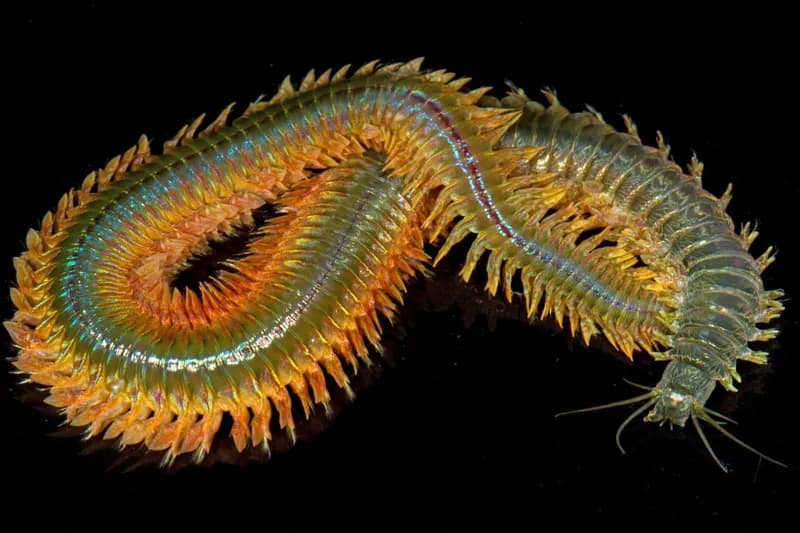
Scientists have uncovered a remarkable biological material within the jaws of marine bristle worms, characterized by its extreme hardness and lightweight properties. This 'bio-metal' is composed of a sophisticated mixture of proteins and metal ions, representing what researchers believe could be an entirely new category of material.

Engineering Potential

Unlike traditional metallic structures, this biological composite manages to maintain structural integrity and durability without the density associated with standard metals. The secret lies in the specific molecular bonding between the organic proteins and the inorganic metal ions, which provides the worm with effective predatory tools capable of withstanding significant mechanical stress.

The discovery has sparked interest in the engineering and manufacturing sectors. Experts suggest that replicating this natural synthesis could lead to the development of high-performance materials for aerospace, medical implants, and protective gear, where the strength-to-weight ratio is a critical factor.
Related Stories

Semantically matched articles, ranked by topic overlap and freshness.

Self-Repairing Bio-Textiles: Scientists Create Clothing From Living Fungi
Science70%

Self-Repairing Bio-Textiles: Scientists Create Clothing From Living Fungi

Researchers have developed a revolutionary biodegradable textile using the parasitic fungus Cordyceps militaris that can clean and repair itself.

Sweden Explores Rare Earth Deposits to Challenge Global Supply Dominance
Science69%

Sweden Explores Rare Earth Deposits to Challenge Global Supply Dominance

Researchers are mapping Sweden's mineral wealth to create magnets from natural element combinations, aiming to reduce reliance on Chinese exports.

New Giant Salamander Species Identified from 3.5-Million-Year-Old Japanese Fossils
Science67%

New Giant Salamander Species Identified from 3.5-Million-Year-Old Japanese Fossils

Researchers have identified a new genus and species of giant salamander, Limnospondylus ajimuensis, from fossils originally discovered over two decades ago.

Sulfur-Based Compound Identified as Potential Breakthrough for Aging Muscle Repair
Science66%

Sulfur-Based Compound Identified as Potential Breakthrough for Aging Muscle Repair

Researchers have discovered a compound named LASSS that protects proteins essential for muscle recovery, offering hope for combating age-related muscle loss.

AI Aids Stanford Researchers in Discovering Natural Weight Loss Molecule
Science63%

AI Aids Stanford Researchers in Discovering Natural Weight Loss Molecule

Stanford scientists have identified a natural molecule that mimics the weight-loss effects of Ozempic with fewer side effects by targeting specific brain regions.

New Experimental Antiviral Pill Shows Promise in Halting Measles Transmission
Science63%

New Experimental Antiviral Pill Shows Promise in Halting Measles Transmission

A breakthrough antiviral treatment has successfully prevented the spread of a measles-like virus in animal trials, offering a potential new tool to contain future outbreaks.

The Physics Behind the Snap: Understanding the Venus Flytrap
Science62%

The Physics Behind the Snap: Understanding the Venus Flytrap

New research delves into the complex physics that allows the Venus flytrap to snap shut with incredible speed to capture its prey.

China’s Tianwen-1 Orbiter Captures Rare Footage of Interstellar Comet 3I/ATLAS
Science62%

China’s Tianwen-1 Orbiter Captures Rare Footage of Interstellar Comet 3I/ATLAS

The Tianwen-1 Mars orbiter has successfully imaged the interstellar visitor 3I/ATLAS, providing a rare look at material originating from outside our solar system.