The Strategic Shift Toward AI-First Operations
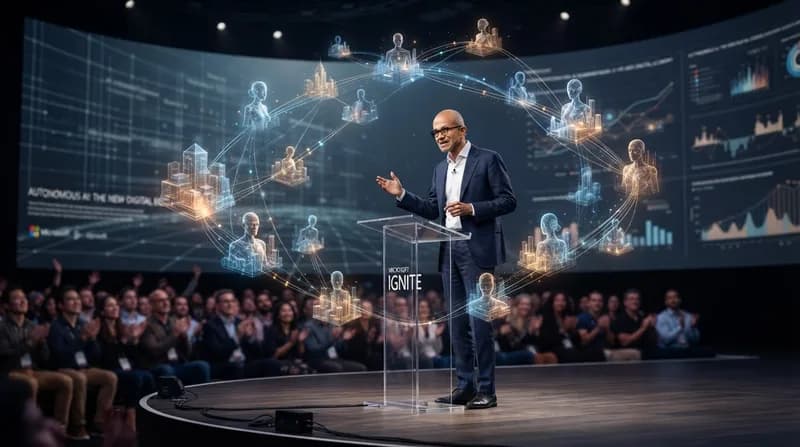
Microsoft CEO Satya Nadella recently offered a candid look into the company's sweeping structural evolution, specifically addressing the decision to offer voluntary buyouts to approximately 60,000 employees this past October. Rather than viewing this as a traditional cost-cutting measure or a mass layoff, Nadella positioned the move as a fundamental realignment of how the company functions in an era defined by artificial intelligence. According to the CEO, the core issue is not the displacement of human labor by machines, but rather the rapid transformation of the nature of professional work itself.
Nadella argues that the traditional software engineering workflow—where individuals write code directly—is being superseded by a model where employees act as managers of AI agents. To illustrate this point, he highlighted a specialized team of 11 developers currently working on 'Cowork,' an AI agent integrated into the Microsoft 365 ecosystem. These developers are no longer building individual components; instead, they are architecting a 'software factory' that leverages AI to generate the final product. This shift from 'doing' to 'managing' is, in Nadella's view, the inevitable future for all corporate roles, regardless of the industry.
Empowering Agency Amidst Industry Anxiety
The decision to utilize voluntary buyouts rather than involuntary layoffs was rooted in a desire to restore a sense of agency to a workforce facing significant 'AI anxiety.' During recent discussions at the DealBook Summit and on industry podcasts, Nadella addressed the pervasive fear surrounding the 'singularity' and the common narrative that AI will inevitably eliminate human employment. By offering employees the option to opt-out, Microsoft aimed to mitigate the stress of forced transformation and allow those who are uncomfortable with an 'AI-first' operating model to pursue other paths.
Nadella acknowledges that as a 51-year-old incumbent, Microsoft faces significant hurdles in transitioning its workflows and culture. He emphasized that transforming a legacy giant into an agile, AI-driven entity is a slower process than the market often expects. For the company, the buyout served as a clear communication channel: either embrace the structural changes and the radical shift in daily tasks, or utilize the severance package as a bridge to a different professional environment. This move is designed to ensure that those remaining within the organization are those who are willing and equipped to steer AI agents toward future productivity goals.
Why It Matters
- Shift in Role Definition: The transition from individual contributor to AI-agent manager represents the most significant change in workplace structure in decades.
- Managing Cultural Drift: By offering voluntary buyouts, leadership is attempting to align the workforce with a new strategic vision while proactively managing potential 'AI fatigue' and workplace morale issues.
- Operational Scalability: The 'software factory' model demonstrates how lean teams, supported by advanced AI tooling, can potentially manage complex product life cycles previously requiring much larger headcounts.