A New Frontier for Wearable AI
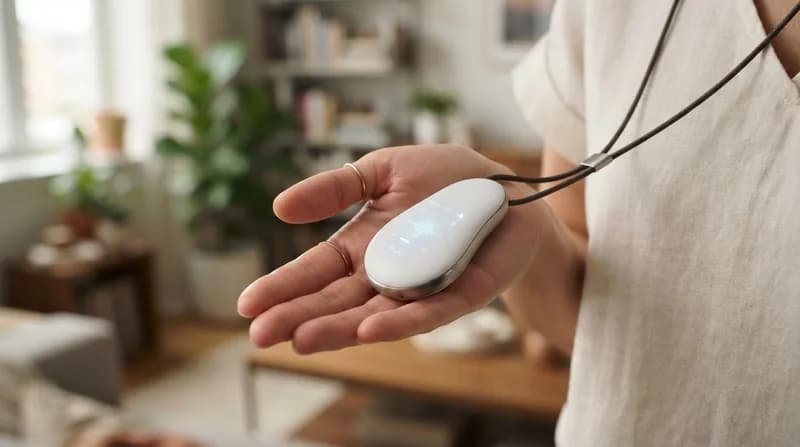
Meta has officially signaled a pivot in its hardware roadmap with the reveal of a new palm-sized device dedicated to its Muse AI engine. By moving away from the form factors of traditional smartphones or bulky smart glasses, Meta is positioning this gadget as a discreet, always-on portal to its generative artificial intelligence capabilities. The device prioritizes a sleek, minimalist aesthetic, designed specifically to fit comfortably in a pocket or hand while maintaining a constant connection to the cloud-based Muse AI.
This hardware release reflects a broader strategic shift. Rather than forcing users to manage complex menus on a screen, the device emphasizes rapid voice and visual processing. By streamlining the interaction model, Meta aims to transform the AI assistant from a software-based tool on a phone into a dedicated hardware companion that feels like a natural extension of the user’s daily workflow.
Why It Matters
- Reduced Friction: By removing the need for a screen-heavy interface, the device lowers the barrier to entry for casual AI assistance.
- Strategic Autonomy: Meta is attempting to establish a proprietary hardware ecosystem that reduces reliance on third-party mobile platforms like iOS or Android.
- Real-Time Assistance: The focus on low-latency voice and visual inputs suggests a move toward more fluid, conversation-based AI interactions rather than text-based prompts.
While full technical specifications—including battery life, sensor arrays, and connectivity protocols—are currently under wraps, the industry focus is clear. Meta is betting that the future of personal computing isn't just about faster chips; it is about creating dedicated hardware that makes AI feel intuitive and omnipresent. Whether this device will succeed where other AI-focused hardware startups have stumbled remains to be seen, but it certainly sets a high bar for the integration of physical hardware and sophisticated foundation models.
As Meta continues to refine its Muse AI, this pocketable device could serve as the crucial bridge between digital intelligence and physical-world execution. By prioritizing portability, Meta is betting that users are ready for an AI assistant that lives in their pocket, ready to assist without the distractions inherent in our existing connected devices.