Scaling Sustainable Logistics
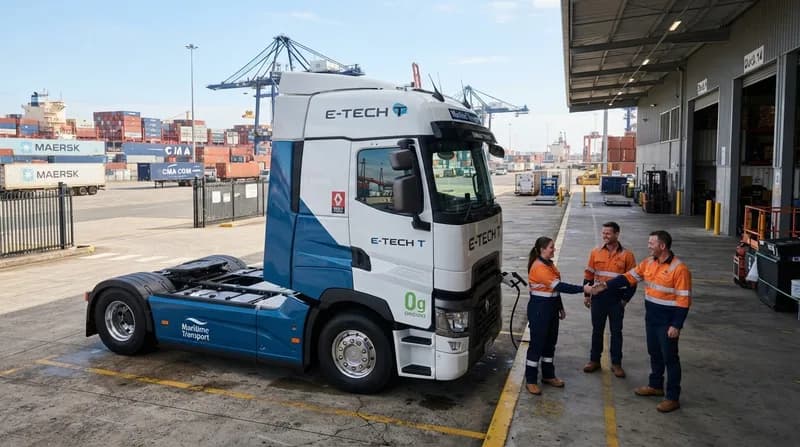
Maritime Transport has solidified its position at the forefront of the UK's green logistics transition by integrating five new Renault Trucks E-Tech T 4x2 electric tractor units into its heavy goods vehicle (HGV) fleet. This strategic acquisition is part of the broader eFREIGHT 2030 project and serves as a major milestone for the company, which has now successfully reached its goal of operating 56 electric vehicles across its national network of 12 depots and rail terminals.
These 42-tonne electric workhorses are currently being deployed at Maritime's Wakefield and Avonmouth facilities. In Wakefield, the trucks play a critical role in the first- and last-mile container supply chain. By utilizing electric power to transport goods from the inland rail terminal to their final destinations, the company is effectively closing the loop on a lower-carbon transport model that begins with rail-freight arrivals from deep-sea ports.
Technical Precision and Operational Strategy
The Renault Trucks E-Tech T is engineered for heavy-duty performance, featuring a robust configuration of six 90 kWh battery packs coupled with a triple-motor setup. This system generates a substantial 490 kW of continuous power and 2,400 Nm of torque, ensuring that the vehicles can handle the rigorous demands of modern logistics. The powertrain is managed by Renault’s specialized Optidriver AT 2412 12-speed automated gearbox, providing the necessary precision for heavy load transport. With a single-charge range of up to 300 km, the trucks are primarily utilized for regional operations, with charging cycles optimized for overnight replenishment at base depots.
To ensure long-term viability, Maritime Transport is taking a data-driven approach. By deploying various electric models from multiple manufacturers, the company is gathering a comprehensive comparative dataset. Through the integration of Renault’s Optifleet monitoring system, the logistics firm tracks key performance indicators including vehicle efficiency, driver behavior, and real-time location. This granular analysis is essential for evaluating battery degradation, total cost of ownership, and maintenance needs as the fleet scales.
Why It Matters
- Decarbonizing Supply Chains: Moving heavy cargo from rail to road using electric power significantly lowers the carbon footprint of container logistics.
- Data-Led Transition: By monitoring diverse brands, Maritime is moving beyond speculation to establish which hardware best handles the punishing realities of high-intensity commercial use.
- Driver Acceptance: Early reports indicate that the Renault models are winning over drivers, a crucial factor for the widespread adoption of new transport technologies.
As Maritime Transport continues to expand its reach, the focus will shift from initial deployment to maximizing utilization. The company intends to treat these assets as essential working components rather than test vehicles, moving them across the network as the charging infrastructure matures. This commitment demonstrates that the shift toward electric freight is no longer just a pilot program but a central pillar of the company's long-term operational strategy.