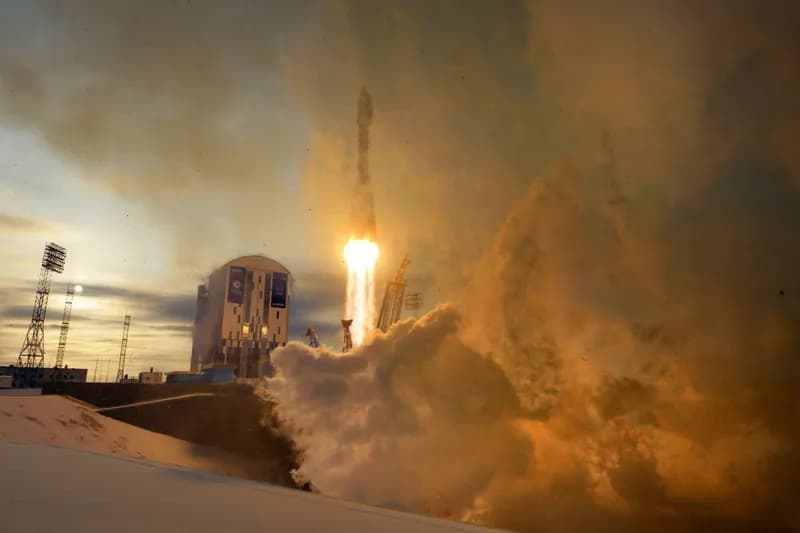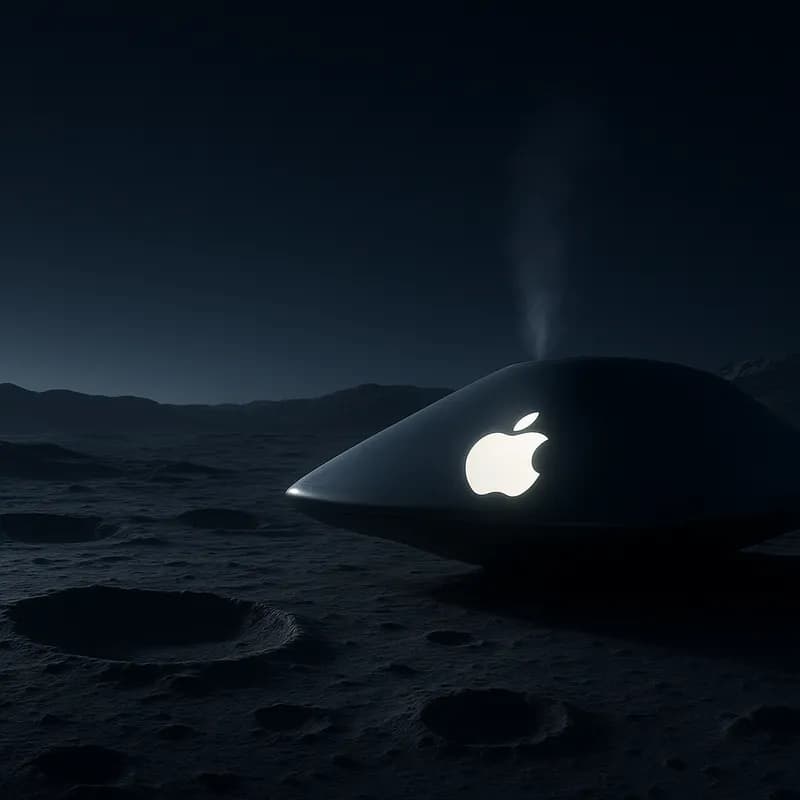
A new scientific study has raised concerns that the increasing frequency of lunar landings could inadvertently destroy vital evidence about the history of our solar system. Researchers found that spacecraft exhaust gases have the potential to rapidly contaminate scientifically significant areas of the moon, particularly those near the lunar poles.
Threat to Ancient Chemical Records
The moon's surface acts as a cosmic time capsule, preserving chemical signatures that have remained undisturbed for billions of years. Some of these signatures may hold the key to understanding how life began on Earth. However, the study suggests that the volatile compounds released during a landing—such as water vapor and carbon dioxide—could settle on the lunar surface and mask these delicate organic indicators.
A Call for Sustainable Exploration
As international space agencies and private companies prepare for a new era of lunar exploration, the study's authors are calling for immediate action. They recommend that future missions implement new strategies to reduce and monitor pollution. This includes developing cleaner landing technologies and establishing strict protocols to protect the moon's most valuable scientific zones before they are permanently altered by human activity.