A New Frontier in Synthetic Biology
In a significant breakthrough for respiratory medicine, researchers have developed a novel 'living medicine' capable of dismantling the protective biofilms that plague hospital ventilation equipment. The study, published in the journal eBioMedicine, demonstrates that a genetically reprogrammed bacterium can effectively target and degrade the slimy, antibiotic-resistant layers created by Pseudomonas aeruginosa, a primary culprit behind ventilator-associated pneumonia (VAP).
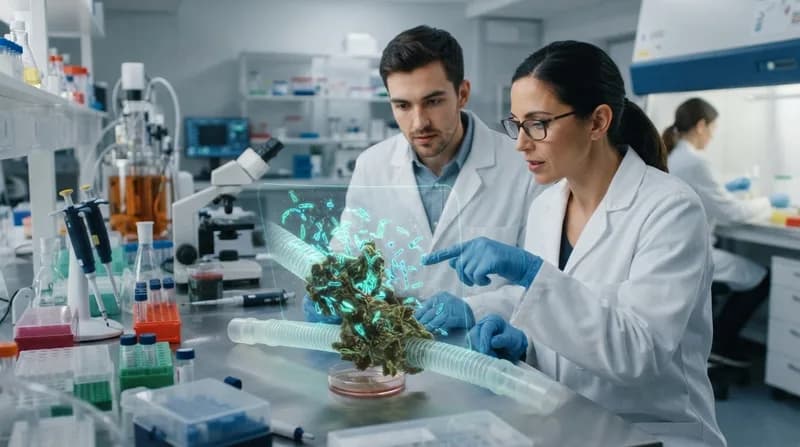
The therapeutic approach relies on the use of Mycoplasma pneumoniae, a bacterium naturally evolved to inhabit the lungs. By stripping away its infectious properties and re-engineering it to act as a delivery vehicle, scientists have created a 'Trojan horse' strategy. This modified organism is engineered to produce enzymes that dissolve the structural sugars holding biofilms together, alongside specific toxins that neutralize P. aeruginosa without damaging the patient's own tissues or healthy microbiome.
Proven Efficacy in Large Animal Models
This study represents a critical milestone as the first successful demonstration of this technology in pigs, whose lung architecture and immune responses closely mirror those of humans. Previous research had only verified the mechanism in smaller mouse models. Furthermore, this is the first time the treatment has been successfully administered via a standard medical nebulizer, confirming that the therapy could be seamlessly integrated into existing hospital workflows for intubated patients.
During the clinical trial, the results were striking. The application of the engineered bacteria via mist reduced the thickness of the stubborn biofilms within breathing tubes by approximately 40%, dropping from 6.08 to 3.67 micrometers. Notably, post-treatment analysis showed no evidence of lung tissue damage or unintended inflammation, confirming the safety profile of the genetically modified organisms in a complex pulmonary environment.
Why It Matters
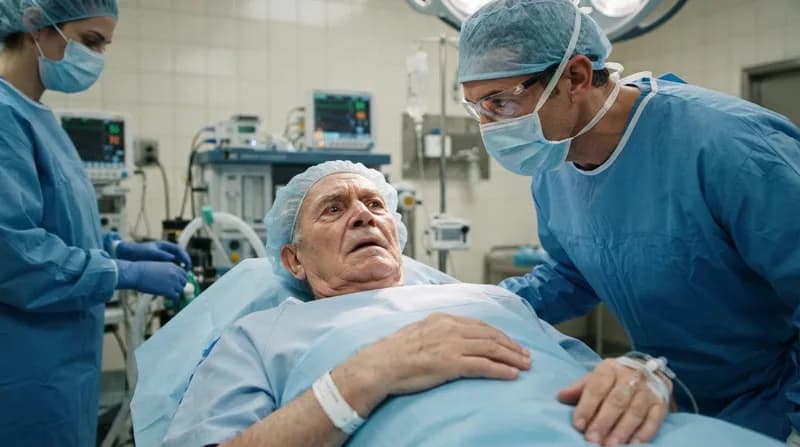
- Combating the Silent Pandemic: Ventilator-associated pneumonia is a major complication for critical care patients. Biofilms often act as impenetrable fortresses that protect bacteria from traditional intravenous antibiotics.
- Precision Targeting: Unlike broad-spectrum antibiotics, this living medicine is designed to strike only the specific pathogen responsible for the infection, preserving the patient's natural respiratory flora.
- Future Scalability: The platform is highly adaptable. Researchers are already exploring modifications to the bacterial 'payload' to address other pulmonary conditions, including lung cancer and pulmonary fibrosis.
The Path to Human Trials
The research team, a collaboration between the Center for Genomic Regulation (CRG) and Hospital Clínic-IDIBAPS, views these results as the definitive precursor to human safety trials. While current results are highly encouraging, the team is already investigating ways to enhance the treatment's potency. Future iterations may combine this living therapy with traditional antibiotics or further refine the molecular 'scissors' that dismantle biofilm matrices.
As antibiotic resistance continues to complicate hospital care globally, the shift toward live biotherapeutics offers a necessary alternative to chemical medicine. By turning the very environment of the lung into a defense system, this technology may soon offer a vital lifeline for patients relying on mechanical ventilation, potentially turning a life-threatening complication into a manageable hurdle.