ScienceTechnical Deep Dive

Innovative Treadmill Therapy Shows Promise for PTSD Recovery

Published
EElectricBuzz Editorial Team
Innovative Treadmill Therapy Shows Promise for PTSD Recovery
1 min read120 wordsElectricBuzz Editorial Team

The Gist

“Researchers at the University of Alberta have found that combining physical motion with memory confrontation significantly improves PTSD treatment outcomes.”

New research from the University of Alberta provides evidence that a specialized form of psychotherapy, which integrates physical movement, is an effective treatment for Post-Traumatic Stress Disorder (PTSD).

The Power of Motion in Processing Trauma

The study highlights an innovative approach where patients confront distressing mental images while walking on a treadmill. This method leverages the natural psychological benefits of motion to help the brain process and integrate traumatic memories that were previously debilitating.

According to the research team, the results show remarkable promise for patient recovery. The physical act of walking appears to facilitate a more effective emotional processing of past trauma compared to traditional stationary therapy sessions, offering a new pathway for those suffering from long-term psychological distress.


SPONSORED
The 5 Best Over-Ear ANC Headphones of 2026, Tested & Ranked
Editor's Pick Guide
92/100
Tech & Gadgets•12 min read

The 5 Best Over-Ear ANC Headphones of 2026, Tested & Ranked

We locked five over-ear ANC picks for 2026 — Sony WH-1000XM6, Bose QuietComfort Ultra 2, Soundcore Space One, Sennheiser Momentum 5, and Apple AirPods Max 2 — then stress-tested them on lab metrics, long-term owner truth, and live street prices.

Related Stories

Semantically matched articles, ranked by topic overlap and freshness.

A Beacon of Hope: Endangered Leatherback Turtles Find Refuge in Ecuador
Science

A Beacon of Hope: Endangered Leatherback Turtles Find Refuge in Ecuador

In a remarkable act of adaptation to a warming planet, the world’s largest sea turtles are migrating to new, cooler nesting grounds along the Ecuadorian coast.

Hidden Hazards: New Research Links Lesser-Known 'Forever Chemicals' to Liver Cancer
Science

Hidden Hazards: New Research Links Lesser-Known 'Forever Chemicals' to Liver Cancer

A groundbreaking USC study identifies two overlooked PFAS compounds that significantly increase liver cancer risk, especially for those with genetic predispositions.

The End of Fading Paint: How Silicon Nanospheres Are Revolutionizing Color
Science

The End of Fading Paint: How Silicon Nanospheres Are Revolutionizing Color

Researchers have developed a breakthrough pigment-free, structural coating that achieves brilliant, glossy, and durable color using lightweight silicon nanospheres.

Yale Researchers Uncover a Biological 'Shortcut' to Longevity
Science

Yale Researchers Uncover a Biological 'Shortcut' to Longevity

A breakthrough study reveals that targeting a specific immune protein could mimic the anti-aging benefits of calorie restriction without the need for strict dieting.

The Allergy Revolution: Is a Cellular Power Failure to Blame?
Science

The Allergy Revolution: Is a Cellular Power Failure to Blame?

New research suggests that allergies may not stem from an overactive immune system, but rather from a fundamental bioenergetic collapse within our protective barrier cells.

Lipfendra Breakthrough: The First Oral PCSK9 Inhibitor Revolutionizes Cholesterol Care
Science

Lipfendra Breakthrough: The First Oral PCSK9 Inhibitor Revolutionizes Cholesterol Care

FDA-approved Lipfendra (enlicitide) marks a major medical milestone, offering the efficacy of injectable cholesterol treatments in a simple, once-daily pill.

The Conversational Gap: Why We Mistakenly Believe Women Multitask Better Than Men
Science

The Conversational Gap: Why We Mistakenly Believe Women Multitask Better Than Men

New research challenges the long-standing stereotype that women are inherently better at juggling tasks, pointing instead to a specific difference in conversational behavior.

Stellar Time Capsules: Rare Dust Grains Reveal Hidden Water at the Solar System's Edge
Science

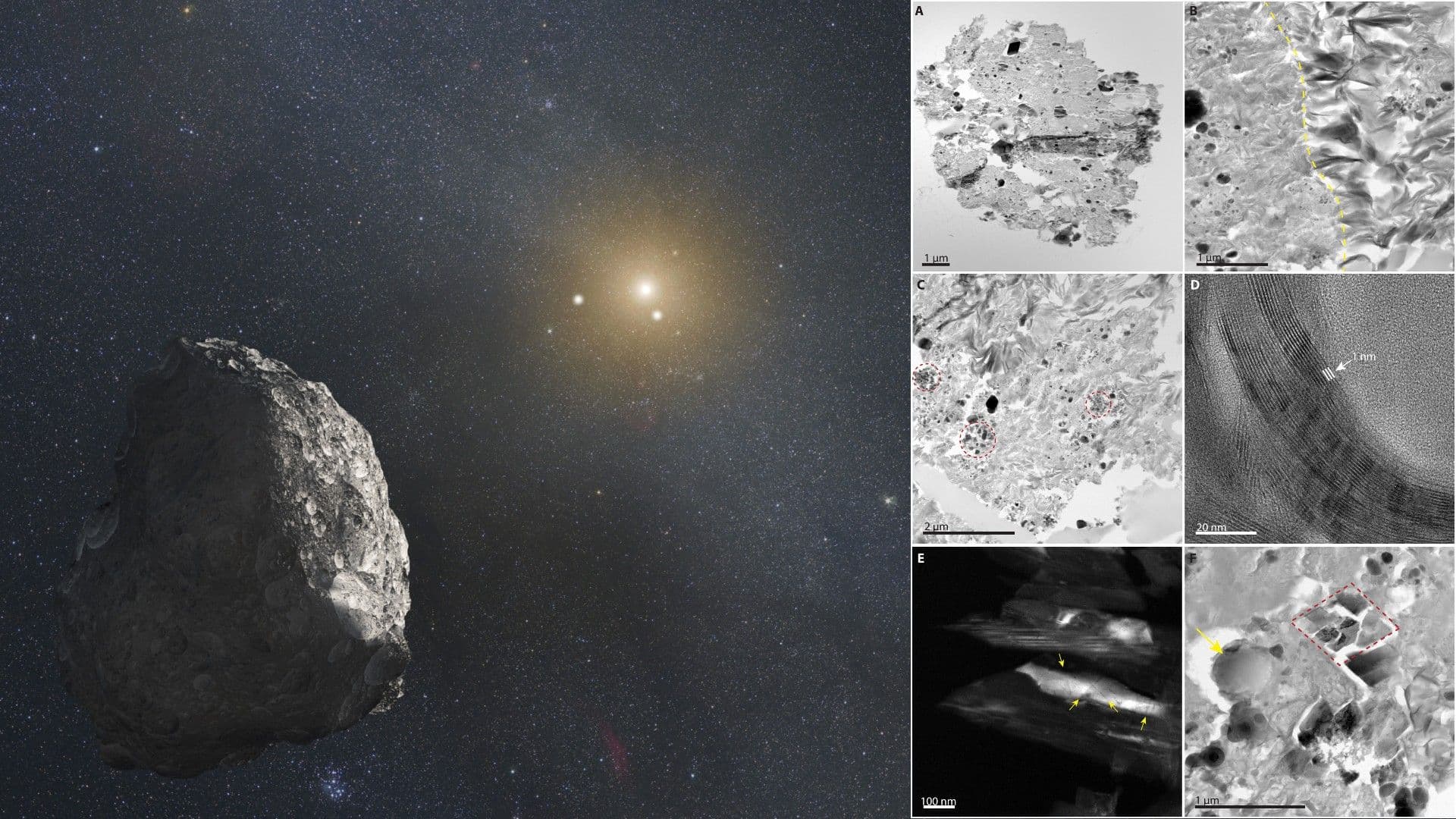
Stellar Time Capsules: Rare Dust Grains Reveal Hidden Water at the Solar System's Edge

A dozen microscopic dust grains captured in Earth's stratosphere are rewriting the history of our solar system by exposing a secret reservoir of heavy water in the Kuiper Belt.