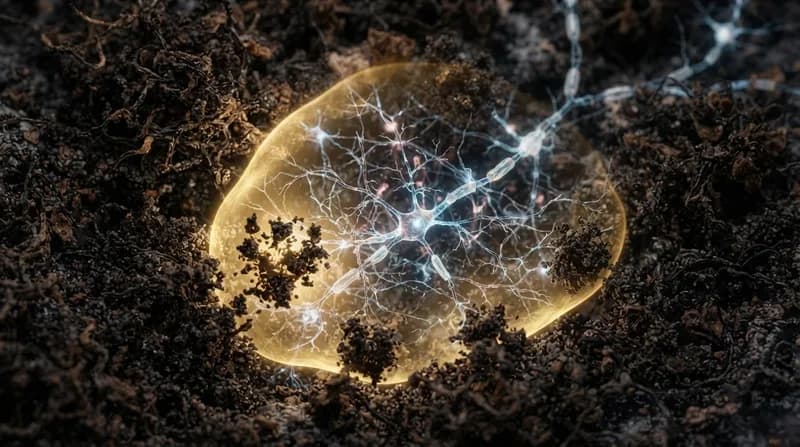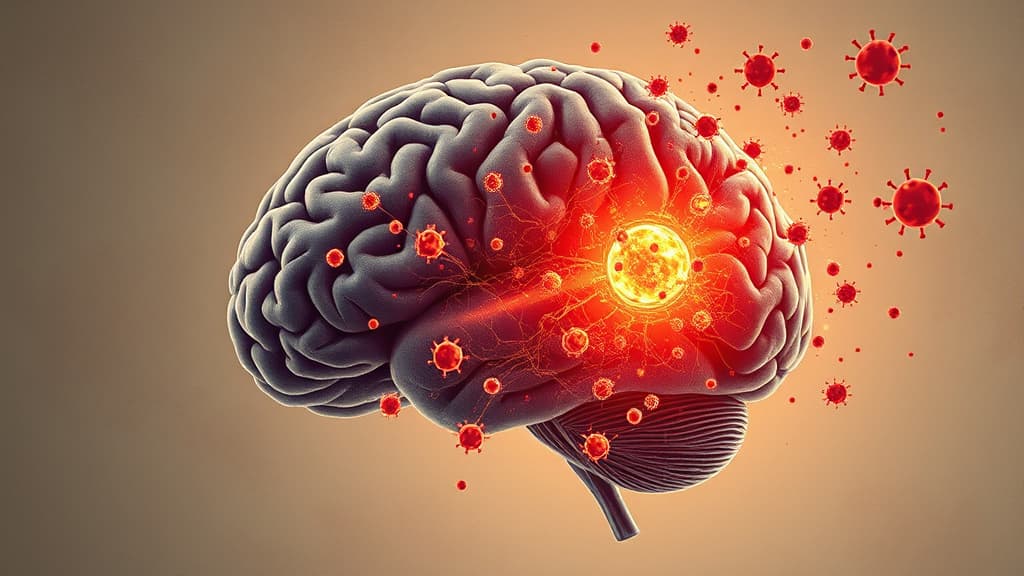
A team of scientists at Stanford has uncovered a surprising phenomenon where large numbers of immune cells from the blood enter the human brain as people age, challenging the long-standing assumption that these cells remain largely separate from the body's immune system throughout life.
Key Insights
The study reveals that immune cells from the blood enter the brain in large numbers as people age, which could reshape scientists' understanding of brain aging and may eventually create new possibilities for treating neurological diseases. This process challenges the long-standing assumption that the brain's immune system is separate from the body's immune system, opening up new avenues for research and potential therapeutic interventions.