The Era of the AI-Native Laptop
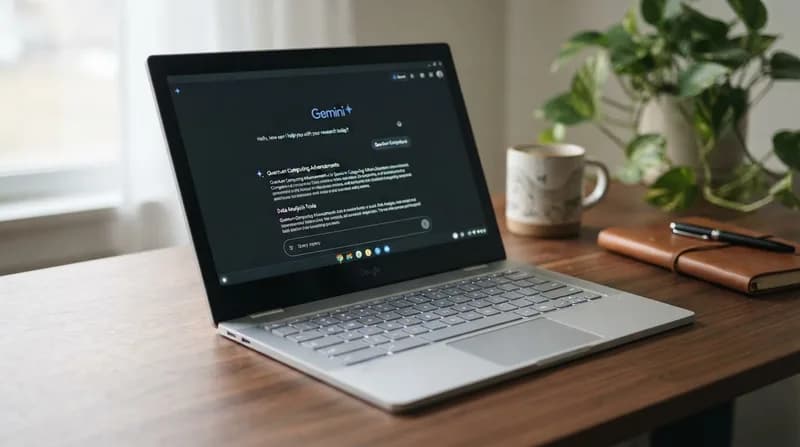
Google has officially entered the premium laptop market with the launch of the Googlebook, a device that aims to redefine the traditional laptop experience by baking its Gemini AI model directly into the operating system. Starting at $899, this machine is not merely a hardware refresh of the budget-friendly Chromebook line but a strategic pivot to position AI as the primary interface for daily computing tasks. By utilizing Android OS fused with desktop-class Chrome elements, Google is betting that users are ready for a device that treats AI as a foundational layer rather than an optional add-on.
The hardware itself is a departure from the plastic-clad schoolroom staples we have come to expect. Built through partnerships with major manufacturers like Acer, ASUS, Dell, HP, and Lenovo, these laptops utilize premium materials such as aluminum, magnesium alloy, and carbon fiber. With specifications like 2.8K OLED displays, haptic glass trackpads, and integrated NPUs from Intel and Qualcomm, these machines are clearly designed to compete with high-end ultrabooks while delivering up to 14 hours of battery life.
Transforming the Desktop Interface
The standout feature of the Googlebook is its attempt to rethink the classic "point-and-click" interaction. Google has introduced the "Magic Cursor," a system that serves as a direct gateway to Gemini. Instead of simply navigating menus or selecting text, the cursor allows users to highlight web content, hover over emails for security analysis, or select multiple images to perform complex visual synthesis through AI. It is an evolution of the mobile "Circle to Search" functionality, brought to the productivity-focused desktop environment.
Beyond navigation, Google is introducing specialized productivity tools such as "Rambler," a feature designed to take fragmented, unorganized notes or voice brain-dumps and refine them into polished, coherent text. Supplemented by "vibe-coded" widgets and deep integration with Gemini Live and Gemini Spark, the software suite is designed to handle cognitive heavy lifting, though it remains to be seen if these features are enough to convince consumers to upgrade their hardware in an era where browser-based AI tools are already widely accessible.
Strategic Context and Longevity
Google’s move is as much about the future of its ecosystem as it is about current sales. By introducing the Googlebook, the company is establishing a long-term upgrade path for the massive K-12 market currently served by Chromebooks, creating a pipeline to funnel millions of users into the Gemini-powered ecosystem. To incentivize early adoption, Google is bundling each purchase with a 12-month subscription to Google AI Pro, which includes 5TB of cloud storage, access to Gemini Advanced, and three-month trials for Adobe Photoshop and YouTube Premium.
- Pricing and Availability: $899 retail price; pre-orders are open now.
- Launch Timeline: Available in U.S. stores on October 4; international rollout in Canada, U.K., Ireland, France, Germany, and Australia on October 5.
- Hardware Standards: Features high-resolution 2.8K OLED panels, dedicated NPUs for local AI processing, and a promise of 10 years of regular software updates.
- Build Quality: Crafted from premium materials including carbon fiber and magnesium alloy.
For Google, this is a long-term play. By committing to 10 years of support and prioritizing AI-specific silicon, the company is signaling that the Googlebook is meant to be a long-term companion, slowly shifting the expectation of what a laptop is supposed to do from "displaying a browser" to "assisting a workflow." Whether or not consumers view this as a necessity or a premium "nice-to-have" remains the central question for this new product category.