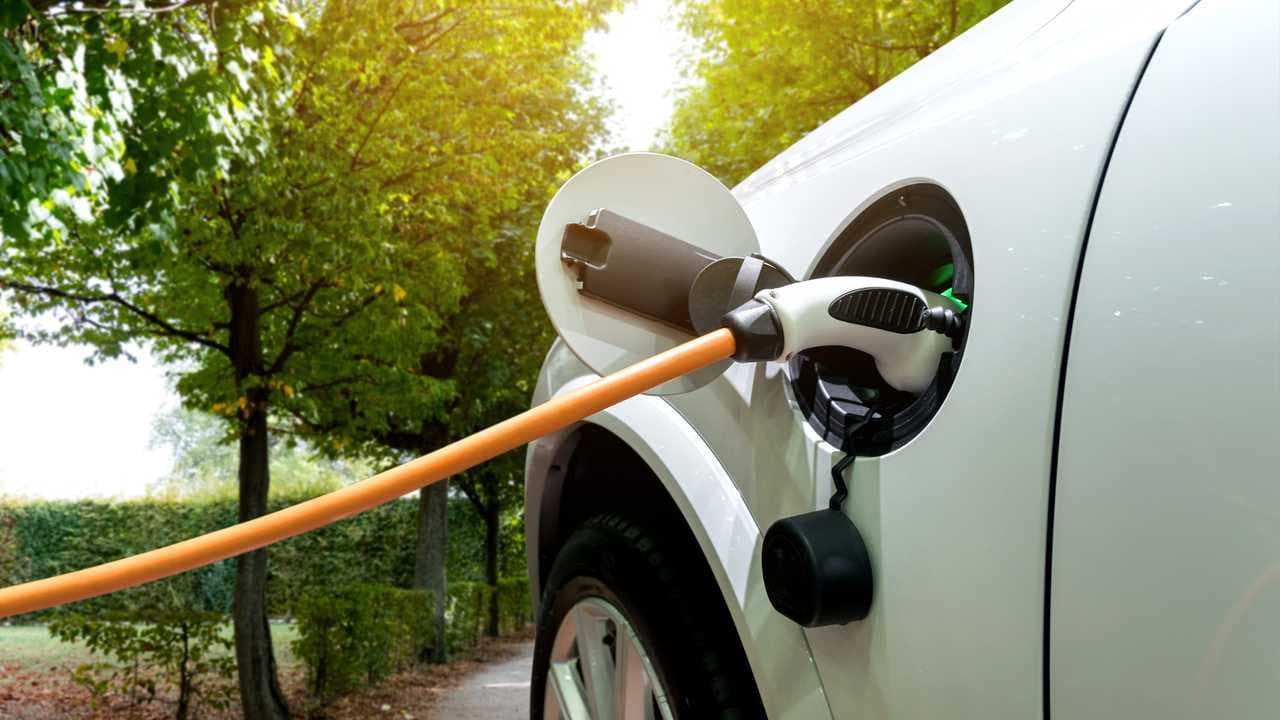
Unlocking the Power of the Parked EV
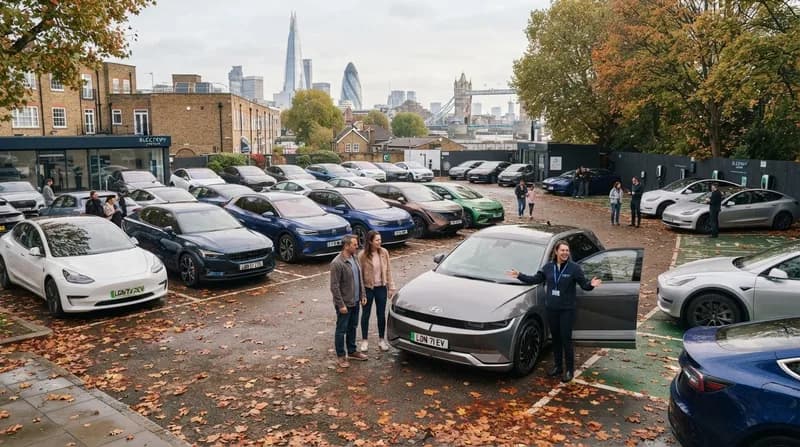
For most electric vehicle owners, a parked car is a depreciating asset—a heavy battery sitting idle in a driveway. However, regulators in Germany are moving to flip this narrative by introducing a new framework designed to turn parked electric vehicles into active participants in the national energy market. Through the adoption of the MiSpeL (Minimal Standards for Electricity Storage and Bidirectional Charging) regulations, the German Federal Network Agency is finally streamlining the complex legal and technical requirements for vehicle-to-grid (V2G) operations.
Historically, the biggest hurdle to V2G in Germany has been the intricate web of renewable energy subsidies. Previously, batteries that stored power from the grid could lose their eligibility for solar energy support payments, as they were restricted to storing only locally generated renewable electricity. The new MiSpeL framework removes this barrier by establishing methods to account for grid-supplied and self-generated solar power separately, allowing owners to participate in the energy market without jeopardizing their existing renewable subsidies.
The Technical Requirements for Participation
While the regulatory environment is opening up, the physical requirements for participating in this ecosystem remain stringent. It is not enough to have a standard electric car with a simple Vehicle-to-Load (V2L) plug—the kind used for powering a coffee maker or a camping appliance. To participate in V2G, owners must utilize hardware specifically designed for bidirectional communication with the grid.
- Bidirectional EV: The vehicle itself must support true V2G protocol, allowing electricity to flow back into the grid, not just out to external devices.
- Compliant Charging Infrastructure: Users must install certified bidirectional charging equipment that meets the latest safety and metering standards defined by the Federal Network Agency.
- Grid Integration: Owners will need to enter into a specific electricity contract that enables bi-directional trading, tailored to their energy provider’s requirements.
- Advanced Metering: Smart metering technology is essential for ensuring that the grid operator and the owner can accurately track how much energy is being consumed versus exported.
Why it Matters
The introduction of the MiSpeL rules is a significant milestone for energy management in Europe. By enabling EVs to store cheap electricity during periods of low demand and sell it back to the grid when prices—and demand—are at their peak, Germany is essentially creating a massive, decentralized virtual power plant. This could help stabilize the national grid against intermittent renewable energy spikes and decrease the reliance on fossil-fuel-burning peaker plants.
While this change in policy represents a major victory for the automotive industry—specifically for groups like the VDA, which advocated for clearer measurement standards—the rollout will be gradual. Grid operators and meter manufacturers have been granted a deadline of September 30, 2027, to achieve full compliance. As these regulations solidify, they set a precedent that could ripple across the EU, forcing a shift in how we perceive electric vehicles: not merely as transport, but as mobile, high-capacity energy storage units for the smart grid of the future.