A New Chapter for Domestic EV Manufacturing
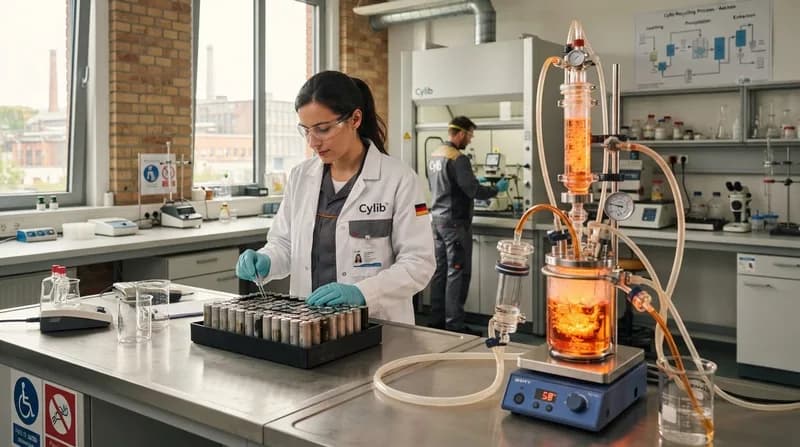
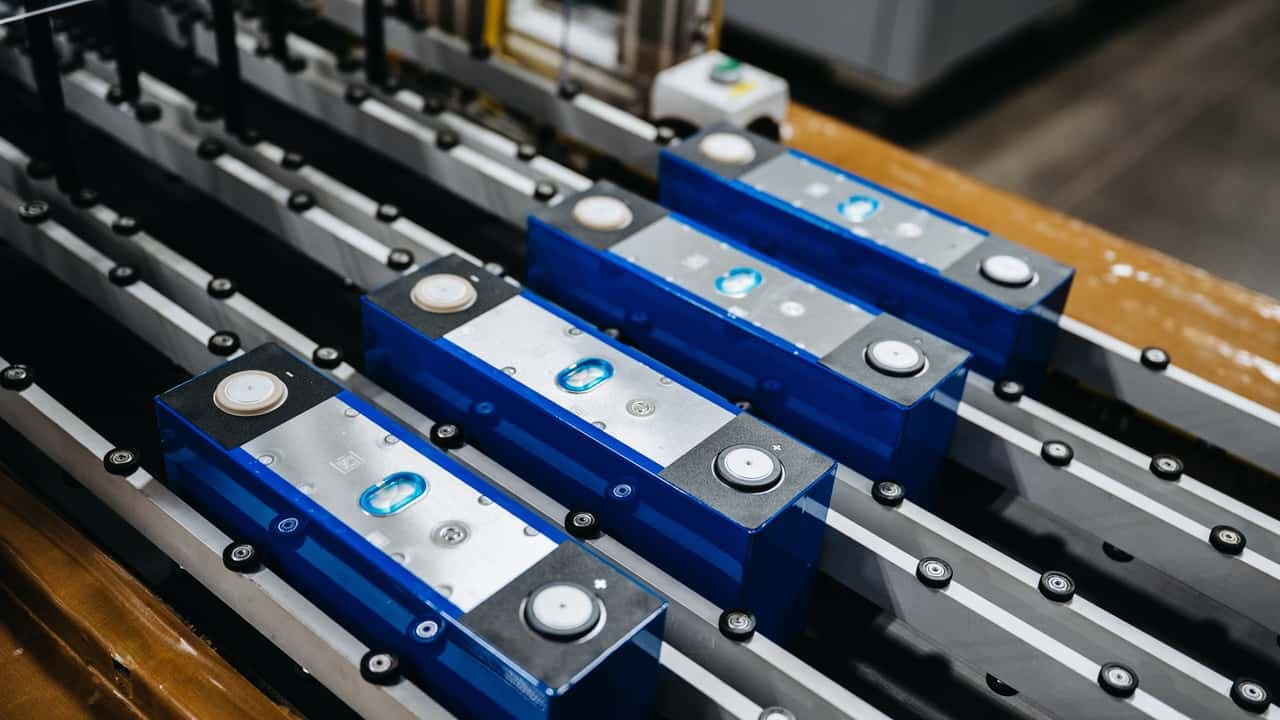
Ford has officially entered a new phase of its electrification strategy, hitting a critical milestone at its $3 billion BlueOval Battery Park Michigan. The facility has commenced the production of lithium-iron-phosphate (LFP) battery cells, which are now being integrated into prototypes for the highly anticipated Fathom electric truck. This achievement places Ford at the forefront of domestic battery production, as the Marshall, Michigan plant represents the first U.S. facility solely dedicated to manufacturing LFP batteries for consumer-facing electric vehicles.
The scale of this operation is immense, spanning a two-million-square-foot footprint designed for vertical integration. Raw materials, including lithium and iron-phosphate powder, enter one side of the facility, and by the time they reach the end of the line, they emerge as fully assembled, ready-to-install battery packs. With an annual capacity of 20 gigawatt-hours, the plant is engineered to churn out 50 battery packs every hour, underscoring Ford's aggressive push to scale its electric vehicle offerings while maintaining cost efficiency.
Strategic Licensing and Technical Expertise
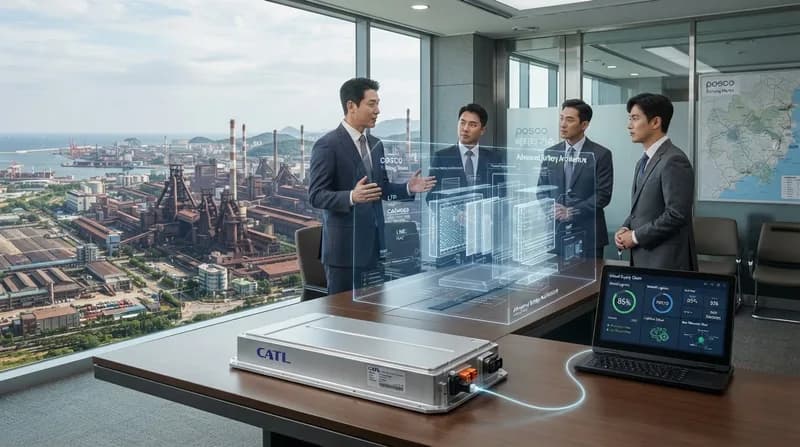
To reach this level of sophistication in record time, Ford entered into a strategic licensing partnership with CATL, the global leader in battery technology. While the technology underlying the prismatic LFP cells is rooted in CATL’s expertise, the specific cell architecture is unique to Ford. This collaboration has allowed Ford to shorten its time-to-market significantly, with CATL engineers providing critical guidance on equipment functionality, manufacturing processes, and rigorous quality control standards.
This partnership has been framed as a "speed-first" strategy, with Ford executives noting that the development of the battery plant, the Universal EV Platform, and the new Louisville assembly systems were completed in under five years—a timeline described by leadership as exceeding the typical "China speed" of industry development. The result is a highly automated environment that signals a major shift in how the American automotive heartland approaches next-generation energy storage.
Compliance and Future Outlook
A key focus for the BlueOval Battery Park is strict adherence to the Inflation Reduction Act (IRA). Ford has confirmed that the facility is fully compliant with federal guidelines, ensuring that critical battery materials are sourced from regions that do not fall under the designation of Foreign Entities of Concern (FEOC). By keeping the manufacturing process stateside and securing a compliant supply chain, Ford is insulating the Fathom from potential geopolitical and regulatory volatility.
Why It Matters
- Affordability: By utilizing LFP chemistry and domestic production, Ford aims to deliver the Fathom at a target price point in the "high $30,000 range," potentially breaking open the mainstream EV market.
- Supply Chain Resilience: The vertical integration at the Michigan site reduces dependency on long-distance logistics and aligns with U.S. government objectives regarding material sourcing.
- Operational Speed: The project demonstrates a rapid transition from facility construction to active cell production, setting a new internal benchmark for future Ford vehicle programs.
As the company moves forward, the focus will shift from prototype validation to full-scale production. With pre-orders for the Fathom expected to open in early 2027 and deliveries slated for later that year, the BlueOval Battery Park acts as the backbone of Ford’s goal to provide high-efficiency, cost-effective electric mobility to the mass market.