E-BUZZ ME Logo
ScienceTechnical Deep Dive

DNA on the Shroud of Turin Reveals Centuries of Hidden History

Published
DNA on the Shroud of Turin Reveals Centuries of Hidden History
1 min read66 words

The Gist

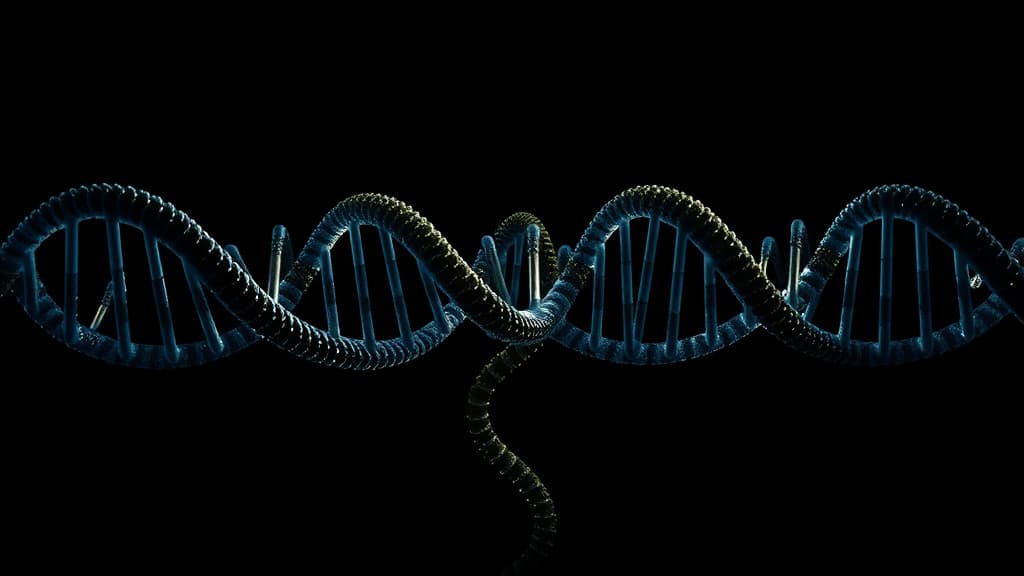
DNA traces found on the Shroud of Turin have uncovered a diverse mixture of human lineages, microbes, plants, animals, and coral, accumulated over centuries of handling and travel. The discovery sheds light on the cloth's biological history, although it does not confirm its age or authenticity.

DNA traces found on the Shroud of Turin have provided a unique glimpse into the cloth's past, revealing a complex mixture of human lineages, microbes, plants, animals, and even coral.

Key Insights

The DNA analysis has exposed a hidden biological history of the Shroud, with findings indicating that the cloth has been handled and traveled extensively over the centuries, accumulating a diverse range of biological materials.

Related Stories

Semantically matched articles, ranked by topic overlap and freshness.

NASA's Curiosity Rover Uncovers Baffling Honeycomb Landscape on Mars
Science

NASA's Curiosity Rover Uncovers Baffling Honeycomb Landscape on Mars

NASA's Curiosity rover has stumbled upon a unique Martian landscape featuring a vast array of tiny polygon-shaped fractures, resembling a honeycomb pattern. The discovery has sparked curiosity about the geological processes that formed these intricate patterns, which cover the valley floor and extend around a nearby 20-foot-tall butte.

Mysterious Milky Way Object Accelerates Protons Beyond One Quadrillion Electron Volts
Science

Mysterious Milky Way Object Accelerates Protons Beyond One Quadrillion Electron Volts

Scientists have discovered a cosmic accelerator, LHAASO J1912+1014u, that can push protons beyond one quadrillion electron volts, shedding light on the origin of the Milky Way's most energetic cosmic rays. This finding may also reveal how these cosmic rays influence the galaxy, providing new insights into the Milky Way's energetic phenomena.

Scientists Discover Potential Cause of Statin-Induced Muscle Pain
Science

Scientists Discover Potential Cause of Statin-Induced Muscle Pain

Scientists have identified an immune response that may explain why statins cause muscle pain, weakness, and exercise intolerance in some people. This finding could lead to the development of treatments that protect muscles while preserving the cardiovascular benefits of statins.

Revolutionary 3D Printing: Scientists Create Ultra-Hard Metal
Science

Revolutionary 3D Printing: Scientists Create Ultra-Hard Metal

Researchers have successfully developed a novel 3D printing technique to produce tungsten carbide cobalt, one of the hardest metals on Earth, using reduced amounts of expensive raw materials. This innovation enables the creation of defect-free samples with industrial-grade hardness, streamlining manufacturing processes.

Sugar May Aid Cancer Cell Spread
Science

Sugar May Aid Cancer Cell Spread

Research suggests that fructose, a common sugar, may help chemotherapy-surviving ovarian cancer cells spread by releasing it to loosen and escape neighboring tumor cells. This discovery implies that sugary diets and certain medications could potentially influence cancer progression, although further confirmation in patients is needed.

Underwater Bones Hold Clues to Extinct Giants Mystery
Science

Underwater Bones Hold Clues to Extinct Giants Mystery

Scientists have discovered animal bones in South Australia's underwater caves that provide clues about the lives of ancient megafauna. The unique environmental conditions in these caves have preserved the bones, offering a new way to reconstruct the history of these extinct giants.

Quantum Experiment Reveals Measurable 'Negative Time' Phenomenon
Science

Quantum Experiment Reveals Measurable 'Negative Time' Phenomenon

A groundbreaking quantum experiment has demonstrated the existence of 'negative time', where photons appear to have spent a negative amount of time inside a cloud of atoms. This finding confirms that one of quantum mechanics' most bizarre effects is physically measurable, all within the bounds of standard physics.

Ancient Sea Creature Unveils Secrets of Spider Fangs
Science

Ancient Sea Creature Unveils Secrets of Spider Fangs

A 518-million-year-old fossil of a sea creature has revealed the earliest known evidence of structures that evolved into spider fangs, shedding light on the evolution of spiders and scorpions. The discovery provides significant insights into the origins of these formidable hunters, showcasing pincerlike limbs and preserved soft tissues.