The Rediscovery of Palm OS History
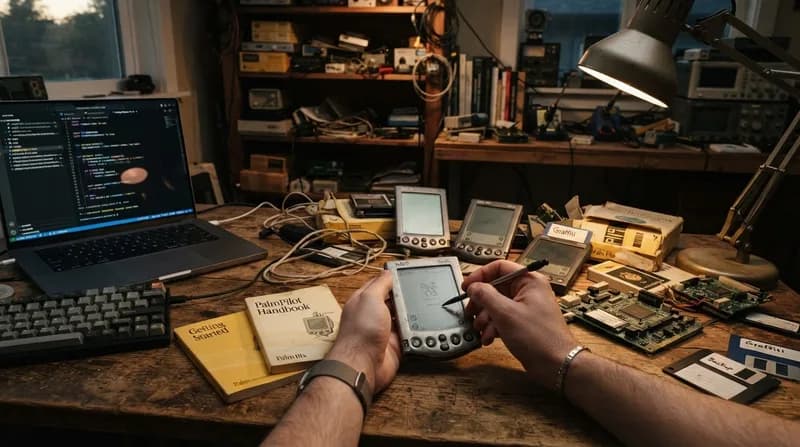
In a move that has delighted the retro-computing community, veteran developer Aaron Ardiri has officially published a massive archive of Palm OS development resources to GitHub. The collection, which spans approximately one gigabyte of data, represents a quarter-century of technical documentation, software development kits (SDKs), conference presentations, and essential utilities that defined the early era of handheld computing. For many enthusiasts, this represents more than just old files; it is a vital bridge to understanding the architecture of a platform that served as the precursor to the modern smartphone revolution.
Ardiri, who was a prolific Palm OS developer during the platform's commercial heyday, had kept the data tucked away in personal backups for decades. He previously believed these files were purely archival and of little interest to the public. However, his perspective shifted dramatically after receiving a pull request from a user who was actively adding HiRes+ display support to one of Ardiri's legacy applications—a game titled 'Lemmings'—specifically for the Palm Tungsten T3. This unexpected interaction revealed a thriving subculture of developers on platforms like Reddit and Discord who are dedicated to keeping vintage hardware operational and relevant.
The Scope of the Archive
The newly published repository is intended as a historical record of what mobile application development looked like during the dawn of the PDA. It includes specific tools that helped developers navigate the unique UI constraints and hardware limitations of the PalmPilot series. By making this information accessible, Ardiri is ensuring that the knowledge required to maintain and expand the software capabilities of these classic devices does not vanish as old forums and defunct websites continue to disappear from the internet.
It is important to note that the collection is curated with legal sensitivity in mind. Ardiri has excluded proprietary items such as Palm OS ROM images, system firmware, and commercial software titles for which he did not possess explicit redistribution rights. This ensures the repository functions as an educational and preservationist effort rather than a software piracy hub. Furthermore, Ardiri’s commitment to the cause extends beyond digital files; he has recently transferred his collection of over 50 vintage Palm devices to prominent preservationist Dmitry Grinberg to ensure the physical hardware remains in capable hands for future study.
Why It Matters
- Knowledge Preservation: Early mobile development knowledge is fragmented across dying forums and personal storage, making this centralized archive a critical resource.
- Community Empowerment: Developers can now continue to build and patch software for Palm devices with professional-grade documentation that was previously unavailable.
- Hardware Longevity: By providing the necessary tools, this initiative helps ensure that the classic PalmPilot hardware remains functional for collectors and enthusiasts for years to come.
A Call to Digital Archivists
The publication of this repository serves as a powerful reminder of the importance of digital stewardship. As software platforms age and companies shift focus, the expertise and tools required to maintain older technology often risk total erasure. Ardiri’s experience suggests that there is a significant amount of 'digital gold' currently sitting on backup drives worldwide, waiting to be rediscovered by niche communities.
This release is a testament to the enduring passion of the retro-computing scene. Whether it is keeping a 1980s PDP-11 running Unix or modernizing a 25-year-old PDA application, these projects illustrate that technology does not necessarily have an expiration date. For those holding onto old hard drives or CD-ROMs from their early careers, Ardiri’s project stands as an inspiration to curate and share resources that could prove invaluable to someone else's passion project.