The Rise of the Hybrid Navy
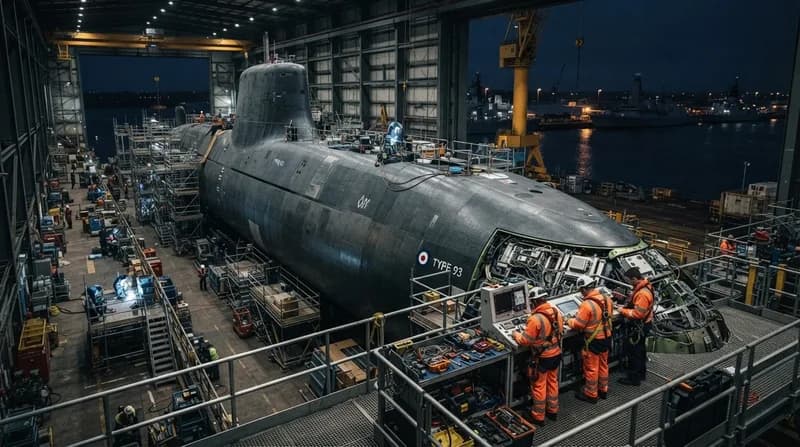
The British Royal Navy is officially opening the doors to potential industry partners for the development of the Type 93, a cutting-edge extra-large uncrewed underwater vehicle (XLUUV). As a cornerstone of the nation's new 'Hybrid Navy' vision, this initiative seeks to integrate autonomous underwater platforms into the core of Britain’s maritime defense architecture. By blending uncrewed systems with traditional crewed vessels, the Ministry of Defence aims to bolster the protection of vital assets, such as undersea communication cables and sovereign home waters.
The Ministry of Defence has released a preliminary market engagement notice inviting developers to contribute to the ecosystem surrounding the Type 93 and the AUKUS Signature Payload Program. This call for participation targets a wide range of expertise, including the physical construction of XLUUV platforms, the creation of advanced mission management software, and the development of sophisticated AI for autonomous operation. The program is part of the trilateral AUKUS security pact, emphasizing a collaborative approach to submarine technology among the UK, Australia, and the United States.
Technical Ambitions and Existing Prototypes
While the Royal Navy is keeping its options open, the preliminary notice indicates a focus on vessels roughly 12 meters in length and 2 meters in diameter. These dimensions appear to mirror current experimental hardware already undergoing sea trials. The XV Excalibur, a large-scale drone submarine, has already made headlines by successfully test-firing a torpedo, proving that these uncrewed systems are evolving from simple surveillance tools into formidable combat assets.
Another primary contender is the BAE Systems Herne. With new iterations of this platform scheduled for rigorous testing in Canadian waters next year, the Herne represents the kind of agile, modular design the Navy is looking to standardize. While the procurement notice is currently a request for interest rather than a firm order, the move signals a definitive shift toward integrating automated "hunter-killer" platforms into the fleet.
Why it Matters
- Autonomous Defense: The Type 93 is designed to operate independently or in tandem with human-led vessels, expanding the reach of the fleet without increasing personnel requirements.
- Strategic Infrastructure: These drones serve as high-end security for underwater cables and maritime infrastructure that are increasingly vulnerable to state-sponsored tampering.
- The Hybrid Shift: The transition signals a larger institutional pivot, moving away from massive, solely crewed destroyers toward a modular fleet anchored by specialized drone ships (Type 92, 94, and 91) controlled by new Common Combat Vessels.
The Future of the Fleet
The "Hybrid Navy" concept is not just about one submarine; it is a total reimagining of British naval power. The strategy involves deploying a variety of uncrewed surface and underwater vessels, including the Type 94 sensor platforms for tracking airborne threats and the Type 91 missile carriers. To manage this swarm of automated assets, the Navy is pivoting to six new Common Combat Vessels (CCVs), which will serve as centralized command-and-control hubs. These CCVs are slated for delivery in the early 2030s, reflecting a long-term commitment to a tech-forward, high-autonomy maritime force.