The Emergence of the DDRop Exploit
Security researchers from institutions including KU Leuven, ETH Zurich, and Durham University, in collaboration with Google, have unveiled a sophisticated hardware vulnerability that strikes at the heart of modern confidential computing. The exploit, known as DDRop, leverages a custom-built interposer device to manipulate DDR5 memory traffic, effectively subverting the security guarantees provided by platforms like Intel TDX, SGX, and AMD SEV-SNP. By targeting the integrity of data within these trusted execution environments (TEEs), the research team has demonstrated how an attacker can force protected virtual machines to process stale data, leading to the exposure of sensitive plaintext memory.
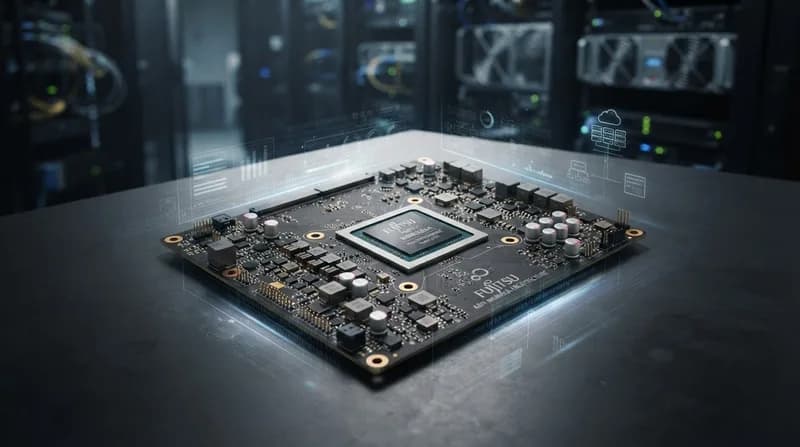
Unlike previous memory attacks that relied on expensive, bulky lab equipment or software-level bugs, DDRop represents a shift toward low-cost, high-impact hardware interposition. The device is a relatively simple, custom circuit board that sits physically between the processor and the DDR5 memory module. By intercepting and corrupting specific bus commands, the interposer can silence legitimate write operations without triggering system crashes. This allows the system to continue operating while the attacker forces the environment to roll back to a known state, effectively breaking the cryptographic freshness required for secure, large-scale cloud operations.
Why it Matters: The Trade-off Between Scale and Security
The DDRop vulnerability highlights a fundamental design tension in the cloud computing industry: the trade-off between memory encryption scalability and cryptographic freshness. Modern processors prioritize protecting massive amounts of RAM in multi-tenant environments, a requirement that often comes at the expense of verifying that every single data write is the most recent version. In early iterations of secure hardware, such as Intel SGX, freshness was strictly enforced, but only for limited memory pools. As cloud providers demand the ability to protect gigabytes of data, they have moved toward architectures that are, by nature, susceptible to these replay-based interposition attacks.
For the average enterprise, the barrier to this attack remains high; it requires direct physical access to the target hardware. However, for high-security cloud environments, the existence of a $200 hardware solution that can deterministicially compromise a system in under two minutes is significant. It undermines the assumption that confidential computing creates a perfect, impenetrable boundary between the cloud provider and the tenant. As researchers move to open-source the DDRop hardware design, it forces both hardware vendors and cloud architects to reconsider how to protect memory integrity without sacrificing performance at the scale currently expected by industry leaders.
Key Technical Challenges and Industry Response
- Cost Efficiency: While previous interposition attacks required upwards of $170,000 in specialized test gear, DDRop enables the same level of access with hardware costing less than $200.
- Bypassing DDR5 Complexity: Previous exploits relied on address-aliasing, which the updated DDR5 command bus successfully mitigated. DDRop is unique because it alters bus traffic while the system operates at full speed, proving more resilient than passive monitoring techniques.
- Vendor Stance: Both Intel and AMD have formally acknowledged the disclosure but have categorized the attack as outside their current cloud computing threat models. While Intel is exploring architectural hardening and detection mechanisms, no immediate software patches are planned, as the root cause is deeply tied to current hardware architecture.
- Future Mitigations: Even proposed solutions like 'cache line versioning' are currently under scrutiny, as early testing suggests they may still be vulnerable to the specific interposition methods employed by the DDRop device.