Revolutionizing Heavy Logistics in India
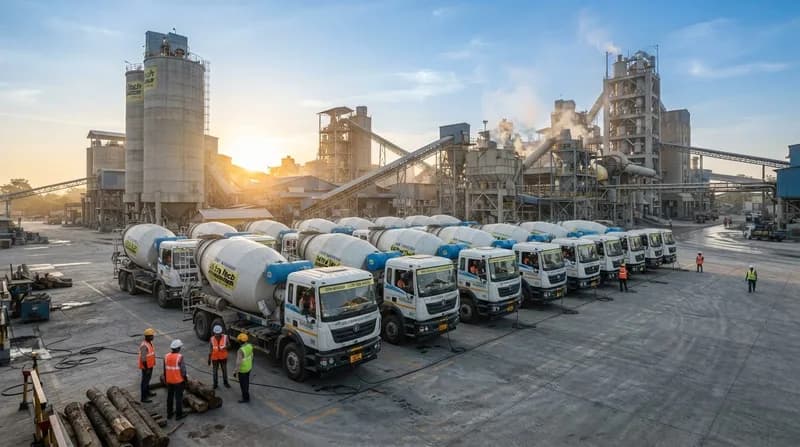
Dalmia Cement has taken a significant stride toward its sustainability goals by deploying a fleet of 24 electric heavy-duty trucks to support its industrial logistics operations. This transition replaces traditional diesel-powered haulers used to transport essential raw materials, including petcoke, slag, and gypsum. The route currently spans approximately 140 kilometers, connecting the Karaikal Port in Puducherry to the company's manufacturing facilities in Dalmiapuram and Ariyalur, Tamil Nadu.
The project is the result of a strategic partnership between Dalmia Cement, Delhi-based logistics firm SwitchLabs, and Pune-based manufacturer Energy In Motion. By shifting these high-frequency transit routes to electric propulsion, the company projects a significant environmental impact. It is estimated that the fleet will cover roughly 2.9 million kilometers per year, effectively preventing approximately 3,735 tonnes of CO2 emissions annually. These calculations account for a robust energy mix, assuming 70 percent of charging power is derived from renewable sources.
The Operational Model
To maximize efficiency, Dalmia Cement and SwitchLabs have implemented a specialized trailer-swap operating model. By utilizing separate registrations for tractors and trailers, the logistics team can immediately detach a tractor from a finished delivery and hook it up to a pre-loaded trailer. This setup minimizes idle time significantly, ensuring that the electric heavy-duty units remain productive rather than sitting stationary during the lengthy loading and unloading cycles typical of bulk material transport.
Hardware and Infrastructure
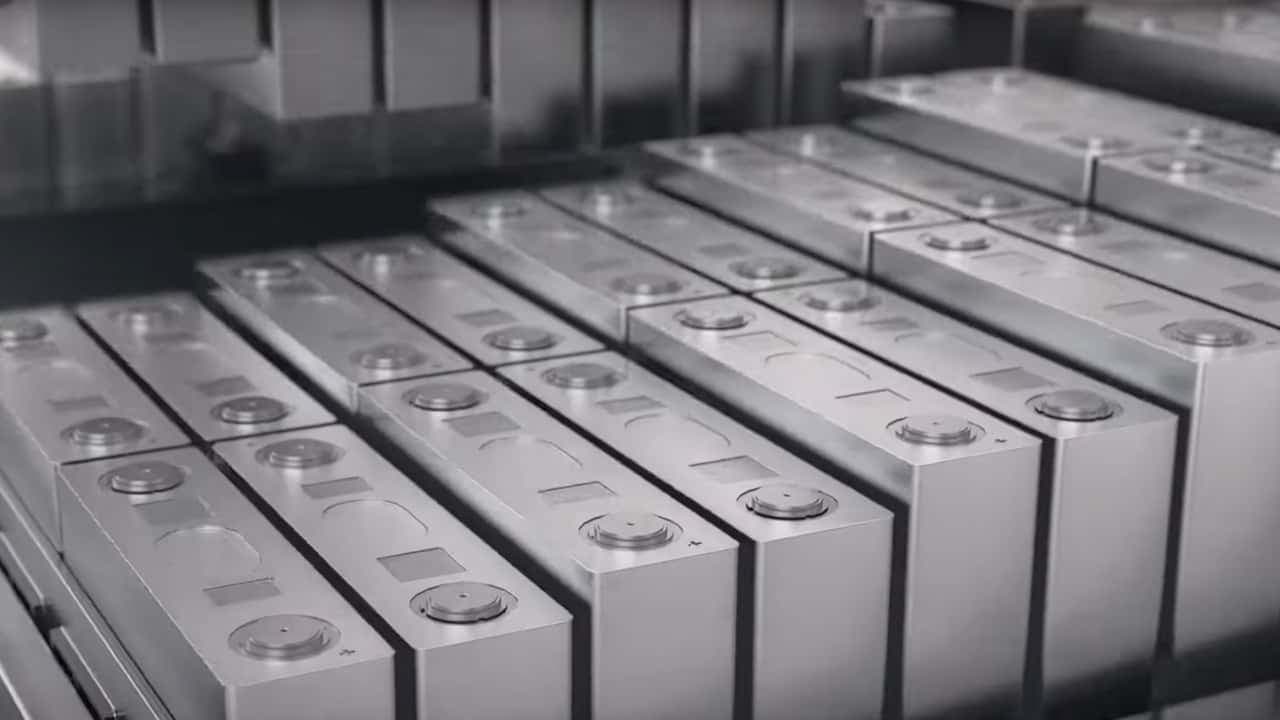
The trucks utilized in this initiative appear to be the 55-tonne Ashwa electric tractors manufactured by Energy In Motion. While the exact specifications of the 24 newly deployed units have not been finalized in public documentation, the platform is known for its versatility. Earlier variants featured a 282 kWh LFP battery pack designed for rapid swapping in under seven minutes. More recently, Energy In Motion introduced a 350 kWh variant, offering an extended range capable of meeting the demands of longer industrial hauls.
Why it Matters
- Decarbonization of Heavy Industry: Heavy-duty trucking is notoriously difficult to electrify, making this large-scale deployment a crucial test case for industrial decarbonization.
- Efficiency Gains: The trailer-swap model addresses the "idle time" bottleneck, proving that battery-electric trucks can be as efficient as diesel counterparts with proper logistical planning.
- Sustainability Targets: By sourcing 70% of charging electricity from renewable sources, the project demonstrates a holistic approach to carbon reduction that goes beyond mere vehicle tailpipe emissions.
Beyond this new fleet of long-haul tractors, Dalmia Cement has also committed to utilizing electric tipper trucks within its factory premises. This multi-layered strategy signals a comprehensive shift in how the organization manages its supply chain, proving that heavy-duty electrification is no longer just a pilot-phase concept but an operational reality.