A New Frontier in Stroke Recovery
For decades, medical interventions for stroke have been defined by a race against the clock. Most clinical treatments, such as clot-busting therapies, are restricted to a tiny window of time immediately following an incident. However, groundbreaking research from the University of Rochester Medical Center suggests that the most critical window for recovery might be longer—and more manageable—than previously thought. By focusing on the body’s innate circadian rhythms, scientists are discovering that we can influence the brain’s ability to heal itself long after the initial injury occurs.
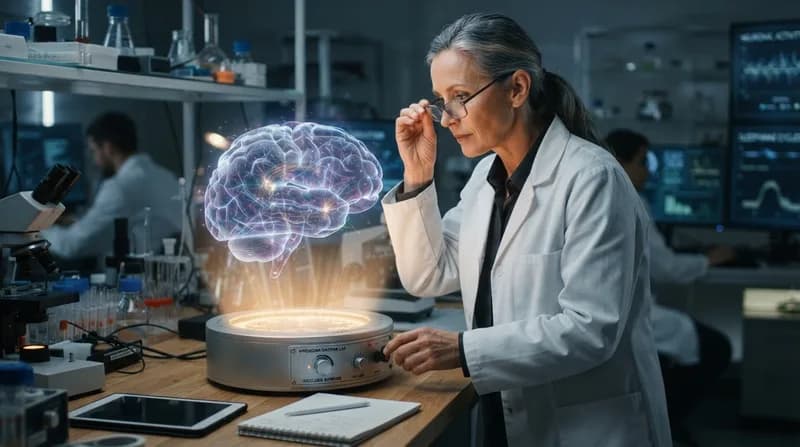
Published in the Journal of Clinical Investigation, the study highlights how the brain's waste-clearing infrastructure, known as the glymphatic system, is intimately tied to the body’s 24-hour internal clock. When this rhythm is disrupted, the brain struggles to purge harmful debris and inflammatory signaling molecules that accumulate following a stroke. The findings indicate that by 'resetting' or strengthening these rhythms, clinicians might one day be able to trigger a sustained healing process in patients.
The Role of the Glymphatic System
The glymphatic system is essentially the brain's internal sanitation network. It functions by circulating cerebrospinal fluid through brain tissue, flushing out cellular waste and inflammatory byproducts. Since its discovery by neuroscientist Dr. Maiken Nedergaard and her team in 2012, researchers have learned that this system is not static; it is most active during sleep and follows a clear circadian pulse.
Stroke can essentially act as a 'timing disorder,' damaging both the physical structure of the brain and the biological cues that keep the glymphatic system synchronized. When the system slows down, the brain enters a state of perpetual inflammation. By failing to clear away waste, the brain's internal environment becomes hostile to repair, leading to poorer recovery outcomes. The researchers theorize that many secondary complications following a stroke are not just the result of initial damage, but rather a failure of this critical cleanup mechanism.
Promising Interventions and Future Outlook
In testing their hypothesis, the research team employed several methods to reinforce circadian stability in mice, including targeted pharmacological approaches and behavioral modifications like time-restricted feeding. Remarkably, these interventions were effective even when initiated three days after the stroke, a timeframe well outside the current standard of acute medical care.
The results were statistically significant: treated mice showed improved motor function, reduced lesion sizes, and a marked decrease in inflammatory cytokines. Among the most exciting prospects is the potential for non-invasive, home-based recovery strategies. Time-restricted feeding, for instance, is already being explored for various chronic conditions, making it a viable candidate for future stroke rehabilitation protocols.
Why It Matters
- Extended Recovery Window: Treatments initiated 72 hours post-stroke still yielded significant functional improvements, challenging the 'time is brain' dogma of emergency medicine.
- Non-Pharmacological Potential: Behavioral interventions like time-restricted feeding provide a low-cost, accessible path for patients to support their own neurological recovery.
- Targeting Inflammation: Rather than just suppressing inflammation, this approach helps the brain naturally clear the signaling molecules responsible for secondary damage.
While the study remains in the animal testing phase, it opens a vast new landscape for neuro-rehabilitation. By leveraging the body's natural timing, doctors may eventually move away from merely treating the acute stroke and toward managing the biological environment the brain requires to rebuild and heal itself over the long term.