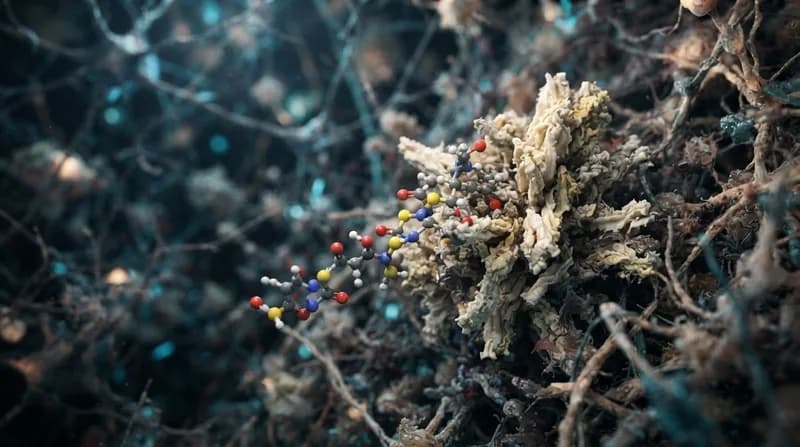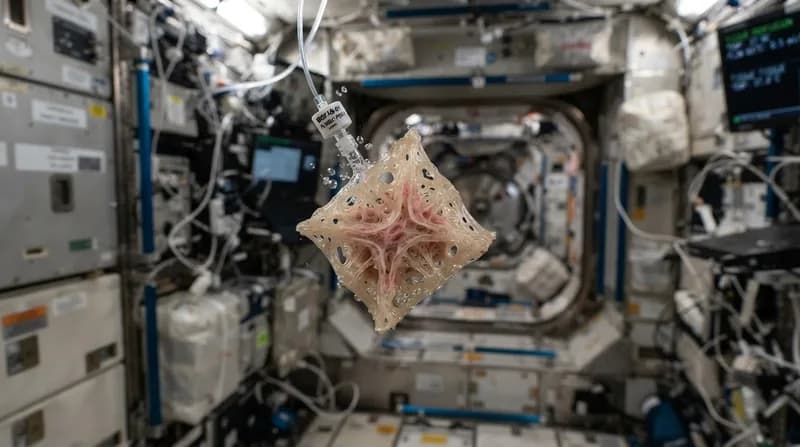
A breakthrough in material science has revealed how nanoconfinement can be used to control the polymorphism of glycine, a simple yet vital amino acid. By utilizing a novel electric-field-assisted spraying method, researchers have demonstrated a reliable way to influence whether glycine crystallizes into its common stable form or its more specialized functional state.
Precision at the Nanoscale
The study focuses on the transition between the stable α-phase and the highly functional β-phase of glycine. While the α-phase is the standard result of crystallization under normal conditions, the β-phase is of particular interest to the scientific community due to its significant piezoelectric properties, which allow the material to generate an electric charge in response to mechanical stress.
Implications for Piezoelectric Technology
By applying nanoconfinement through specialized spraying techniques, the researchers found they could dictate the final crystalline structure. This level of control is essential for developing organic electronics and bio-compatible sensors that rely on the piezoelectric effect. The ability to favor the β-phase over the α-phase opens new doors for high-performance, sustainable materials in the medical and tech sectors.